







BeyondMold — The best science at a reasonable price.
Prescription Compounds

Pharmacy

A standalone pharmacy — no program enrollment required. Prescription-only mold and biotoxin compounds — peptides, antifungals, binders, and more. Use the pharmacy whether you're our patient, working with another provider, or managing your own care. A licensed provider reviews each online request and approves what's appropriate, often with no appointment needed. Low-cost, all 50 states.

BEG Nasal Spray

BEG Nasal Spray

BEG is a compounded nasal spray that combines Bactroban (mupirocin), EDTA, and gentamicin. It is applied in the nasal passages to target antibiotic-resistant, biofilm-forming bacteria — most notably MARCoNS (multiply antibiotic-resistant coagulase-negative staph). In chronic mold and inflammatory illness, these deep-nasal colonizers can shelter inside a protective biofilm and keep the immune system stirred up, which is thought to interfere with recovery. The EDTA in the spray helps break down that biofilm so the antimicrobials can reach the bacteria. It is compounded and prescribed on a case-by-case basis, usually after appropriate nasal testing.
BPC-157

BPC-157

BPC-157, short for Body Protection Compound, is a research peptide based on a sequence found in gastric juice. It has been studied for its effects on tissue repair, blood-vessel formation, and healing of the gut lining. Because gut damage and slow tissue recovery are common threads in mold and inflammatory illness, BPC-157 is used in some protocols to support gut and connective-tissue repair. It is a compounded, non-FDA-approved peptide used only under the direction of a knowledgeable provider.

Cholestyramine

Cholestyramine

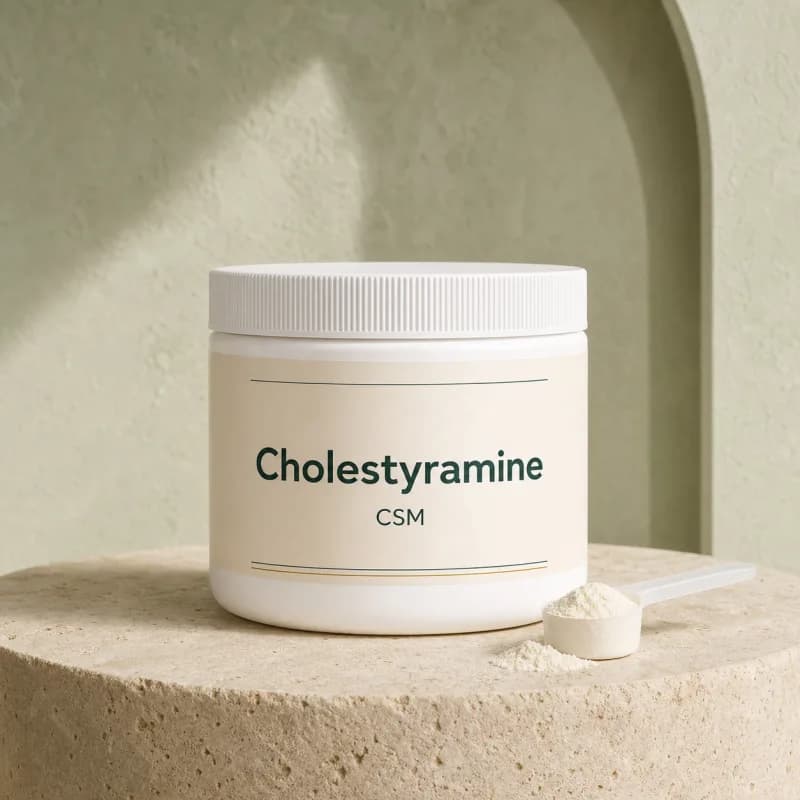
Cholestyramine is a prescription bile-acid sequestrant and one of the longest-used binders in biotoxin illness care. Taken as a powder mixed in liquid, it grips bile acids — and the toxins bound to them — in the intestine so they can be eliminated instead of recirculated. Because mold toxins move through the liver and bile and are readily reabsorbed from the gut, removing them at that step is a core part of many recovery protocols. CSM is frequently the first binder practitioners reach for, dosed and timed carefully around meals and other medications so it does not interfere with their absorption. Prescription only, under provider supervision.

EDTA / Silver

EDTA / Silver

This compounded nasal spray pairs EDTA with silver for use in the sinuses and nasal passages. EDTA helps disrupt the biofilm that shelters resistant microbes, while silver provides broad antimicrobial action. It is used as an alternative or complement to antibiotic-based sprays in patients working through the nasal colonization that can accompany mold and biotoxin illness — particularly when a non-antibiotic option is preferred. Compounded to order and used only under provider direction.

Epitalon

Epitalon

Epitalon is a short peptide studied for its effects on the pineal gland, circadian rhythm, and cellular aging, including its influence on the enzyme telomerase. Disrupted sleep and a scrambled circadian rhythm are common and stubborn in mold illness, and restoring them is often a turning point in recovery. Epitalon is used in some protocols to support the sleep-wake cycle and cellular repair. A compounded research peptide, used only under provider direction.

FSB Nasal Spray

FSB Nasal Spray

FSB is a compounded antimicrobial nasal spray used within sinus and biofilm protocols for mold and biotoxin illness. Like other nasal preparations in this category, it is aimed at the resistant colonizers in the nasal passages that can perpetuate inflammation and stall recovery. The exact ingredients are set by the compounding pharmacy and prescriber for the individual patient — confirm the specific formulation for your protocol. Prescription and compounded only.

GLP-1 Agonists

GLP-1 Agonists

GLP-1 receptor agonists (the semaglutide and tirzepatide class) are prescription medications that mimic a natural gut hormone to regulate blood sugar, appetite, and metabolism. They are best known for their effects on weight and metabolic health. Mold and biotoxin illness can drive metabolic dysfunction, weight gain, and inflammation that are hard to shift with lifestyle change alone, and there is growing interest in the anti-inflammatory effects of this class. When appropriate, providers use GLP-1 agonists to support metabolic recovery. Prescription only, with dosing and monitoring by your provider.

Itraconazole

Itraconazole

Itraconazole is a prescription systemic azole antifungal that works throughout the body against a broad range of molds and fungi. Unlike gut-only agents, it is absorbed and can address fungal colonization in the sinuses, lungs, and elsewhere. In a subset of mold-illness patients, actual fungal colonization — not just past exposure to toxins — is part of the problem, and clearing it can be an important step. Because it is systemic and interacts with many medications and the liver, itraconazole is used carefully and monitored by the prescribing provider.

KPV

KPV

KPV is a small three-amino-acid peptide derived from the tail end of the alpha-MSH hormone, and it carries much of that hormone's anti-inflammatory activity without the pigment effects. Because it can calm inflammation both in the gut and throughout the body, KPV is used in mold and biotoxin protocols where excess inflammation and gut irritation are prominent. It can be given by mouth or other routes depending on the goal. Compounded and prescribed individually.

KPV / Larazotide

KPV / Larazotide

This compounded combination brings together two peptides that support the gut. KPV is a small anti-inflammatory peptide derived from the alpha-MSH hormone, and larazotide is a peptide that helps tighten the junctions between intestinal cells. "Leaky gut," or increased intestinal permeability, is common in mold and biotoxin illness and allows partially digested particles and toxins to cross into circulation, driving inflammation. Together these peptides are used to calm gut inflammation and help reseal the intestinal barrier as part of restoring immune tolerance. Compounded and prescribed individually.

Methylene Blue

Methylene Blue

Methylene blue is a pharmaceutical compound with a long medical history and notable activity at the level of the mitochondria, where it can act as an alternative electron carrier and antioxidant. Only pharmaceutical-grade material is appropriate for internal use. Mitochondrial dysfunction — cells struggling to make energy — is a hallmark of the fatigue and brain fog of mold illness. Under supervision, methylene blue is used to support mitochondrial energy production and cognitive function. It interacts with certain medications (notably serotonergic drugs), so it is dosed and monitored by the prescriber. Prescription only.

MOTS-c

MOTS-c

MOTS-c is a peptide encoded within the mitochondria themselves and involved in cellular metabolism and the way the body responds to metabolic stress. Research has focused on its roles in energy regulation and insulin sensitivity. Given how central mitochondrial and metabolic dysfunction are to the deep fatigue of mold illness, MOTS-c is used in some protocols to support mitochondrial function and metabolic resilience. It is a compounded research peptide used only under provider guidance.

Naltrexone

Naltrexone

Low-dose naltrexone is compounded naltrexone dosed far below its standard use. At these small doses it is thought to briefly block opioid receptors, prompting the body to up-regulate its own endorphins and gently modulate immune activity. Many people with mold and chronic inflammatory illness live with a persistently activated, dysregulated immune system and heightened pain sensitivity. LDN is used to nudge that system back toward balance and to help with pain, sleep, and inflammation. It is generally well tolerated and taken at night. Compounded, prescription only.

Nystatin

Nystatin

Nystatin is a prescription antifungal that acts locally in the gastrointestinal tract against Candida and other yeasts. Taken by mouth it stays largely in the gut rather than being absorbed into the bloodstream, so its action is concentrated where yeast overgrowth tends to occur. Mold-exposed patients frequently develop gut dysbiosis and yeast overgrowth, which can add to bloating, brain fog, sugar cravings, and immune activation. Nystatin is often used to bring that overgrowth back under control as part of restoring a healthy gut balance. Prescription only.

Oxytocin

Oxytocin

Oxytocin is a compounded form of the body's own peptide hormone. Best known for its role in bonding, it is also active in mood, stress regulation, and the autonomic nervous system. Chronic biotoxin illness often comes with a nervous system stuck in "threat" mode, along with anxiety, poor sleep, and social withdrawal. Compounded oxytocin is used off-label to help settle that stress response and support mood and connection as part of a broader recovery plan. Prescription and compounded only.

Semax

Semax

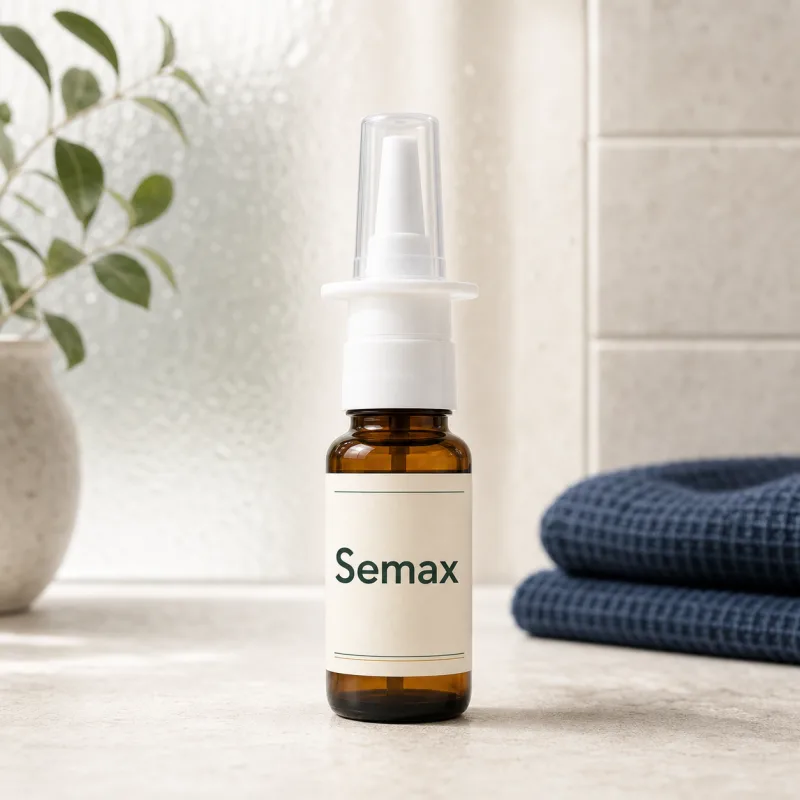
Semax is a neuropeptide developed from a fragment of ACTH and studied for its effects on focus, memory, mood, and protection of nerve cells — in part by supporting BDNF, a key brain growth factor. The brain fog, poor concentration, and low mood of mold illness reflect neuroinflammation and stressed brain chemistry. Semax is used in some protocols, typically as a nasal spray, to support cognition and neurological recovery. A compounded research peptide used under provider guidance.

Synapsin

Synapsin

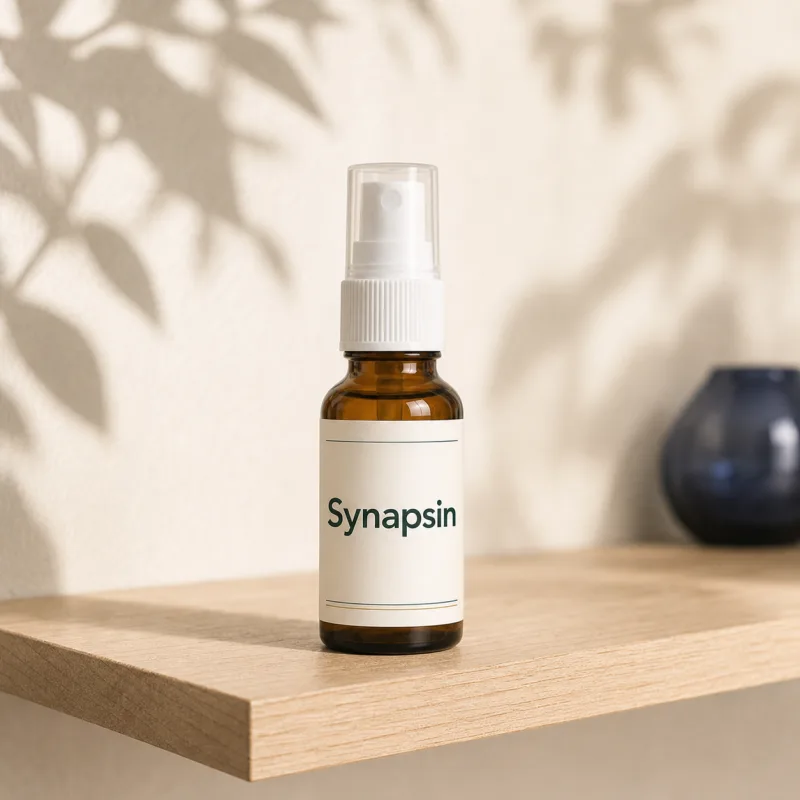
Synapsin is a compounded formulation that combines ginsenoside Rg3 (from ginseng) with methylcobalamin (an active form of vitamin B12), usually delivered as a nasal spray so it can reach the brain more directly. It is used to support cognition, focus, and mood in patients dealing with the neuroinflammation and brain fog that so often accompany mold illness. Compounded to order and used under the direction of your provider.

TB-500

TB-500

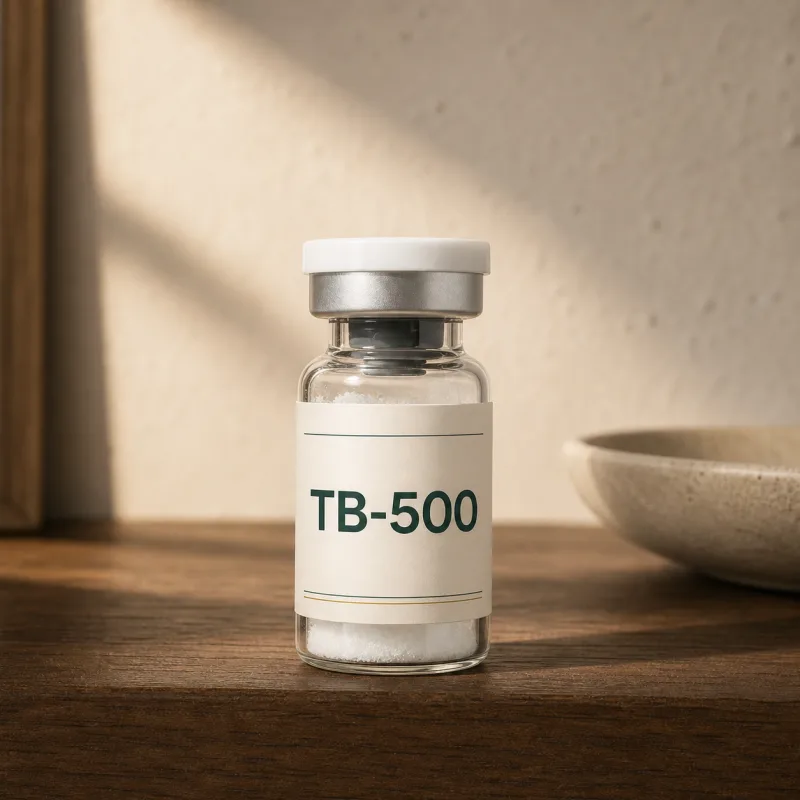
TB-500 is a synthetic fragment of thymosin beta-4, a protein involved in cell migration, blood-vessel growth, and tissue repair. It has been studied for its role in recovery and in reducing inflammation in injured tissue. In mold and chronic inflammatory illness, where healing is often slow and inflammation is widespread, TB-500 is used in some protocols to support tissue repair and recovery alongside other therapies. A compounded, non-FDA-approved peptide used only under provider direction.

Thymosin Alpha-1

Thymosin Alpha-1

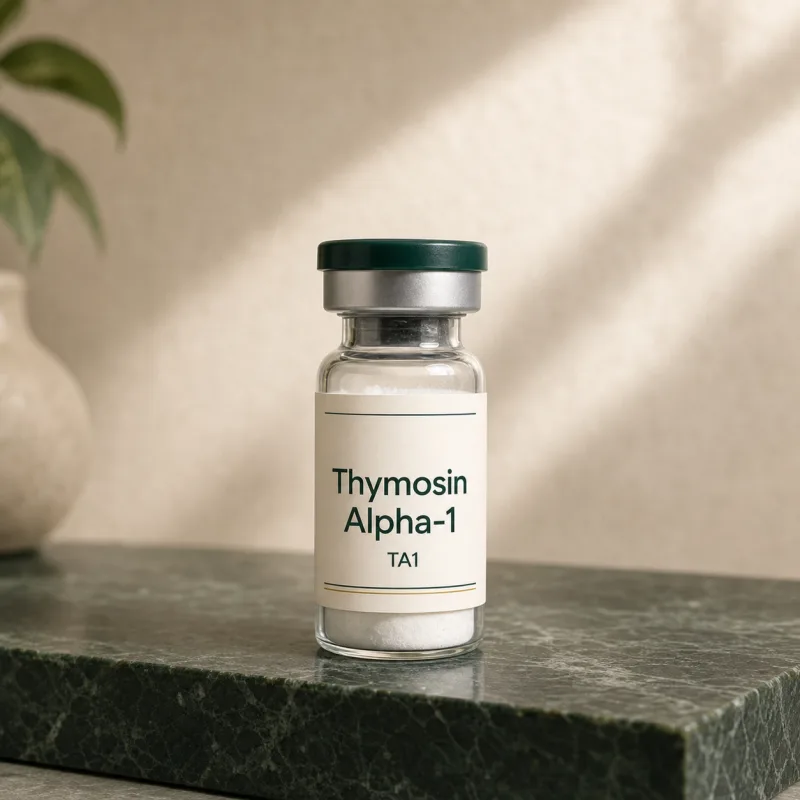
Thymosin alpha-1 is a peptide naturally produced by the thymus gland that helps orchestrate the immune system — strengthening the response to threats while helping keep it from overreacting. Mold and biotoxin illness frequently involves an immune system that is simultaneously exhausted and dysregulated. TA1 is used to help retrain and rebalance immune function, particularly where lingering infections or immune fatigue are part of the picture. A compounded peptide, prescribed and monitored individually.

Thyroid

Thyroid

Compounded or prescription thyroid hormone — whether desiccated thyroid or specific combinations of T4 and T3 — is used to restore healthy thyroid signaling when the gland is underactive or the body is converting hormone poorly. Biotoxin illness commonly suppresses thyroid function or the body's ability to activate thyroid hormone, contributing to fatigue, cold intolerance, weight gain, and brain fog even when standard labs look "normal." Thyroid support is dosed and monitored individually by the prescribing provider. Prescription only.

Valacyclovir

Valacyclovir

Valacyclovir is a prescription antiviral used to suppress herpes-family viruses such as Epstein-Barr virus (EBV) and herpes simplex (HSV). In the body it converts to acyclovir, which blocks these viruses from replicating. Chronic inflammatory and mold-related illness can allow dormant viruses to reactivate, adding a viral layer of fatigue and inflammation on top of the biotoxin picture. When testing and history point that way, providers may use valacyclovir to quiet that reactivation so the body has less to fight while it recovers. Prescription only.

Welchol

Welchol

Welchol is a prescription bile-acid sequestrant taken as tablets. It works in the gut by binding bile acids so they are carried out in the stool rather than being reabsorbed. In mold and biotoxin illness, many of the toxins the body is trying to clear are routed through bile and would otherwise be reabsorbed in the intestine — a recirculating loop that can keep symptoms going. Practitioners use binders like Welchol to interrupt that loop, capturing bile-bound toxins so they leave the body. It is often chosen for patients who do not tolerate cholestyramine well, and is used only under the direction of your provider.