



Your Cells Speak in ATP: The Danger Signal That Keeps the Alarm On
Science
Here's the paradox at the center of mold illness: you can move out of the water-damaged building, clear the infections, and pass every test — and still be profoundly sick. The explanation runs through a molecule you already know as the body's energy currency: ATP. When cells are in danger, they turn ATP into an alarm. And that alarm has a talent for re-arming itself.
The energy molecule with a second job
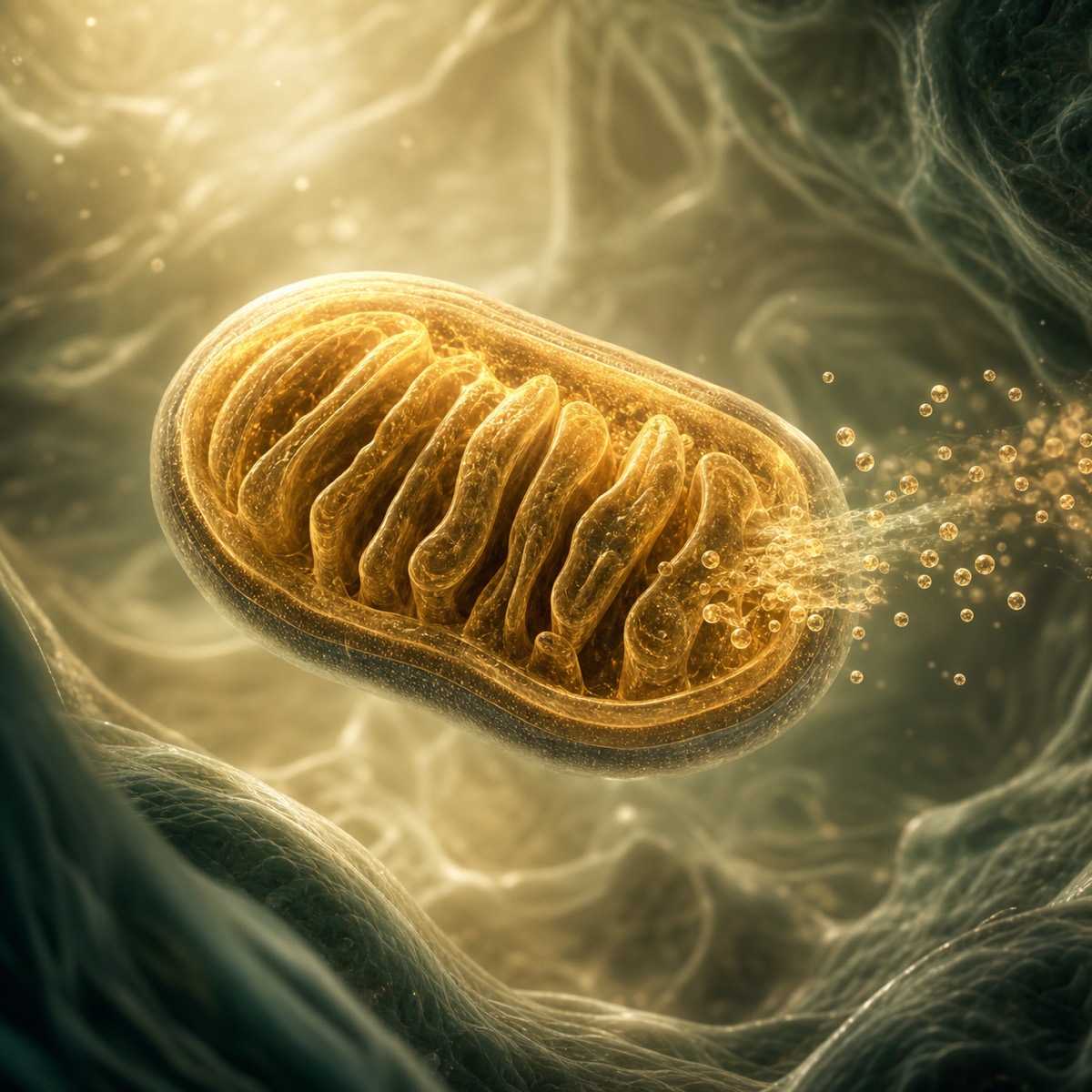
Inside a cell, ATP is fuel — the little battery your mitochondria charge to power everything you do. But a cell under threat does something surprising: it pumps ATP *out*, through channels called pannexins, into the space around it. Outside the cell, ATP stops being fuel and becomes a message. It grabs onto receptors — with names like P2X3 and P2X7 — on neighboring cells and immune cells, and that binding means one thing: *danger here*. This is purinergic signaling, one of the body's fastest and oldest danger languages.
An alarm that re-arms itself
Now the trap. The same threatened state that pushes ATP out of the cell is the state that outside-ATP switches back on. Extracellular ATP re-arms its own receptors — a loop that is, in the framework's words, self-amplifying by design. Once that loop is spinning, it no longer needs the original mold to keep going. The exposure is gone; the signal keeps broadcasting; the cell stays in defense.
It's the cellular version of a smoke alarm that keeps shrieking after the fire is out — because the shrieking itself is now tripping the sensor.
The body has an off-signal, too
The system isn't built only to shout. Once outside the cell, ATP is steadily broken down into a related molecule — adenosine — and adenosine is a calming, stand-down signal, part of how a normal danger response quiets itself after a threat clears. In a healthy resolution the alarm (ATP) gives way to the all-clear (adenosine), and the cell returns to normal. Part of what goes wrong in chronic illness is that this hand-off stalls: the alarm is regenerated faster than it can be converted into the off-signal.
That detail matters because it's hopeful. The body is not missing the machinery to stand down — it has a built-in brake. It's being prevented from using it. Recovery, in this frame, is less about installing something new and more about clearing what's jamming a brake you already own.
The molecule that powers your cells is the same one they use to scream "danger" — and once that scream loops back on itself, the alarm no longer needs the fire. — Andrew Heyman, MD
Why exertion crashes you
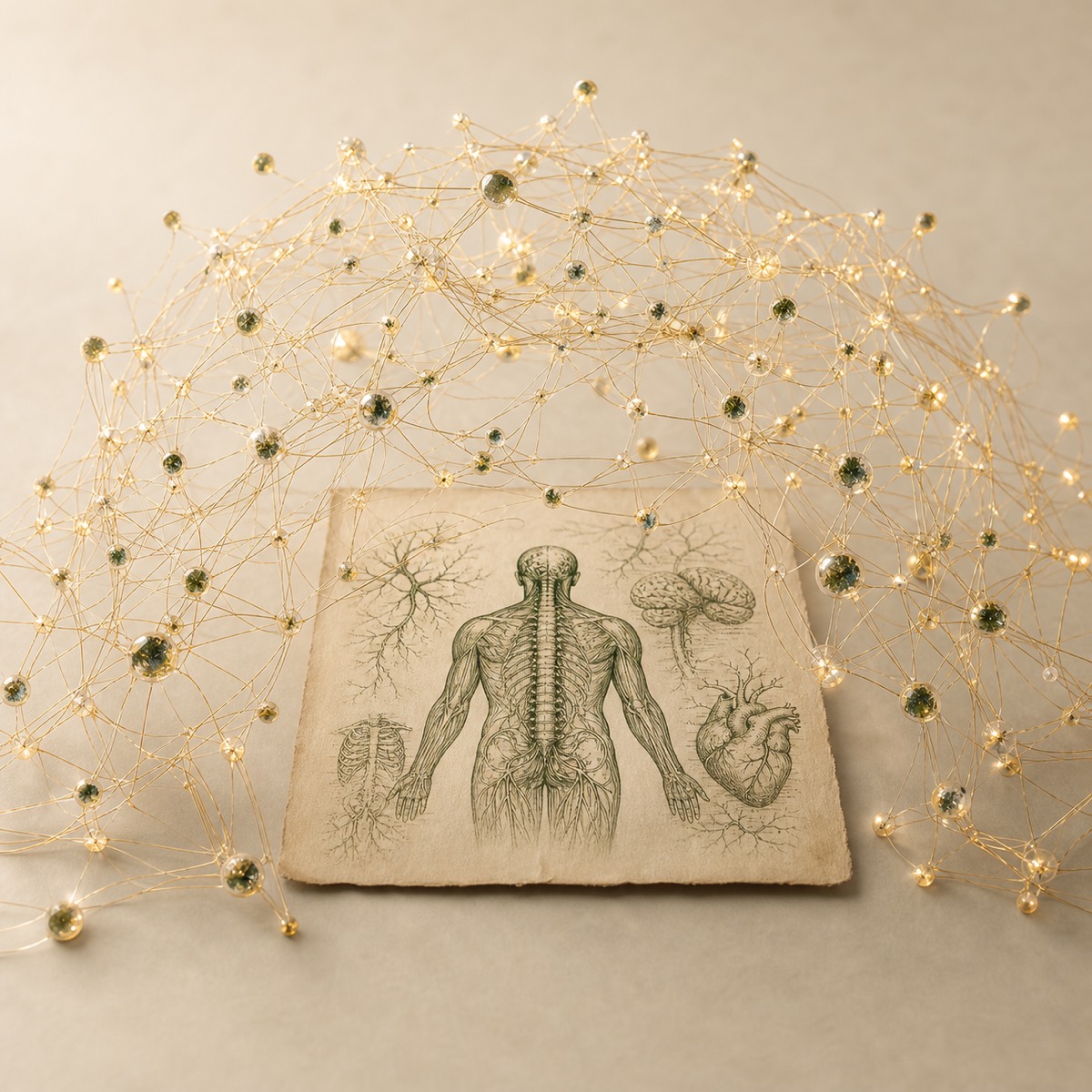
Those same purinergic receptors sit on nerves and sensory pathways. Push your body past its current limit and stressed cells dump more ATP into the danger network, which the nerves read as pain, malaise, and the familiar post-exertional crash. This is a major reason the well-meaning advice to "just exercise more" so often backfires in this illness: exertion literally feeds the signal that's keeping you sick. The crash isn't weakness or deconditioning — it's the danger loop getting louder.
How you turn it down
You don't fight ATP head-on. You starve the loop. Every input still feeding the danger state — lingering exposure, oxidative stress, a smoldering infection, an overtuned nervous system — is fuel for the self-amplifying alarm. Lower those inputs and the extracellular ATP signal quiets, the receptors stand down, and the loop finally loses its momentum.
This is the cellular reason recovery is about reducing total load and calming the system rather than powering through it. The alarm won't be shouted down. But take away what keeps re-arming it, and it runs out of fuel.