


Beyond ERMI: Why a Building Can “Test Fine for Mold” and Still Make You Sick
Testing
You test your home, the mold numbers look acceptable, and yet you still get sick inside it. This is not a mystery or a testing failure. Standard mold tests measure only one of several triggers a water-damaged building produces.
Standard mold tests (ERMI, HERTSMI-2) measure fungal DNA — only one part of a water-damaged building’s biology... which is why a building can “test fine for mold” and still make you sick. — Andrew Heyman, MD
What the common tests actually measure
ERMI and HERTSMI-2 measure fungal DNA. That is useful — but it is a single channel. Three other potent triggers are invisible to it.
The three the mold test misses
β-glucans — fragments of fungal cell walls that inflame the immune system even when the mold is dead.
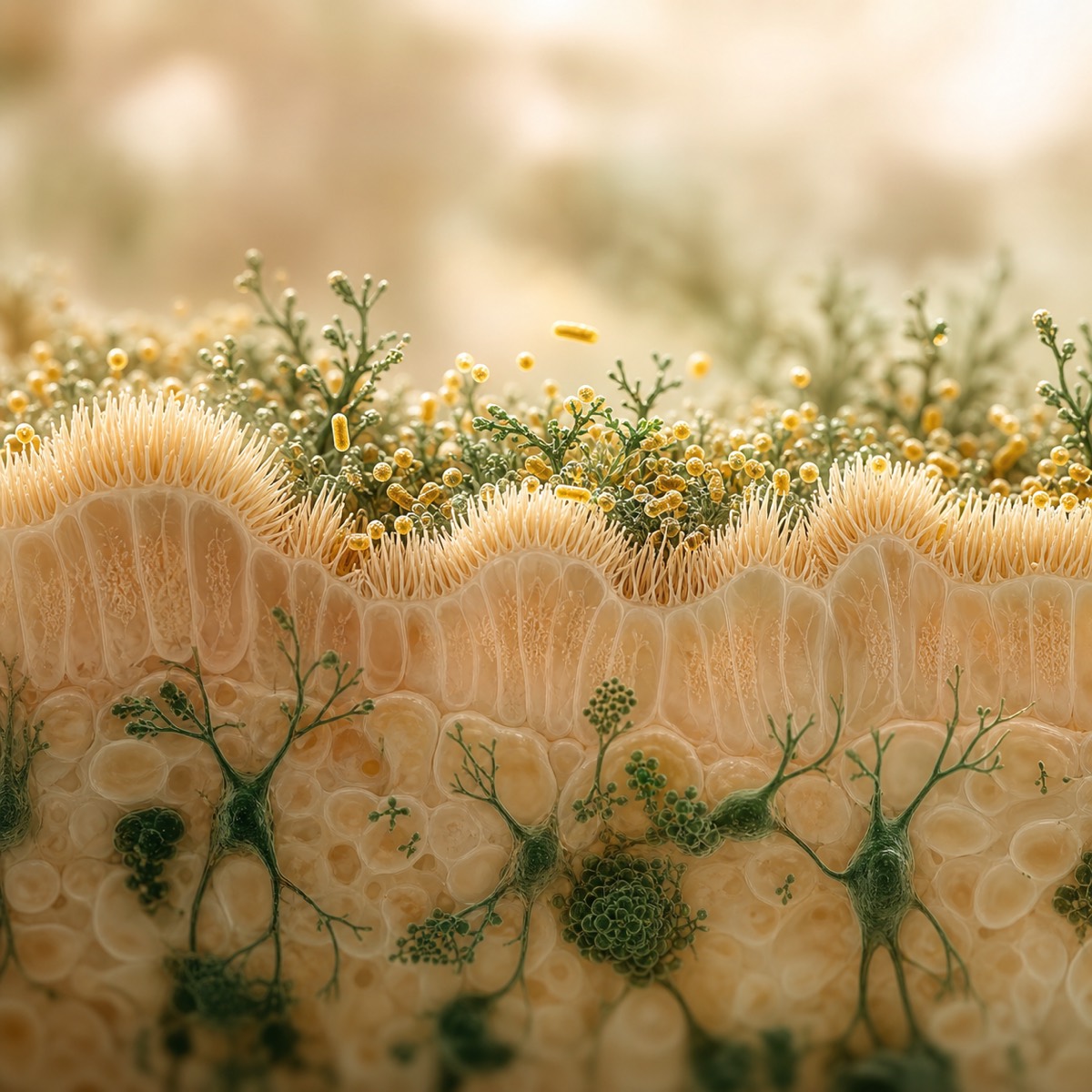
Actinomycetes — bacteria that thrive in water damage and, in some homes, may be the dominant trigger; they need their own bacterial-DNA test.
Endotoxins — fragments of gram-negative bacteria, among the most powerful immune triggers known.
When to look wider
If your mold scores improved but your symptoms did not, that is the signal to expand to a comprehensive panel that captures the bacterial and fragment load, not just fungal DNA. And the HVAC — a hidden reservoir — deserves inspection and physical cleaning, not a biocidal fog.
The takeaway
“Tests fine for mold” is not the same as “safe to live in.” A building is a whole biology, and a clean mold score is only one line of the report.