


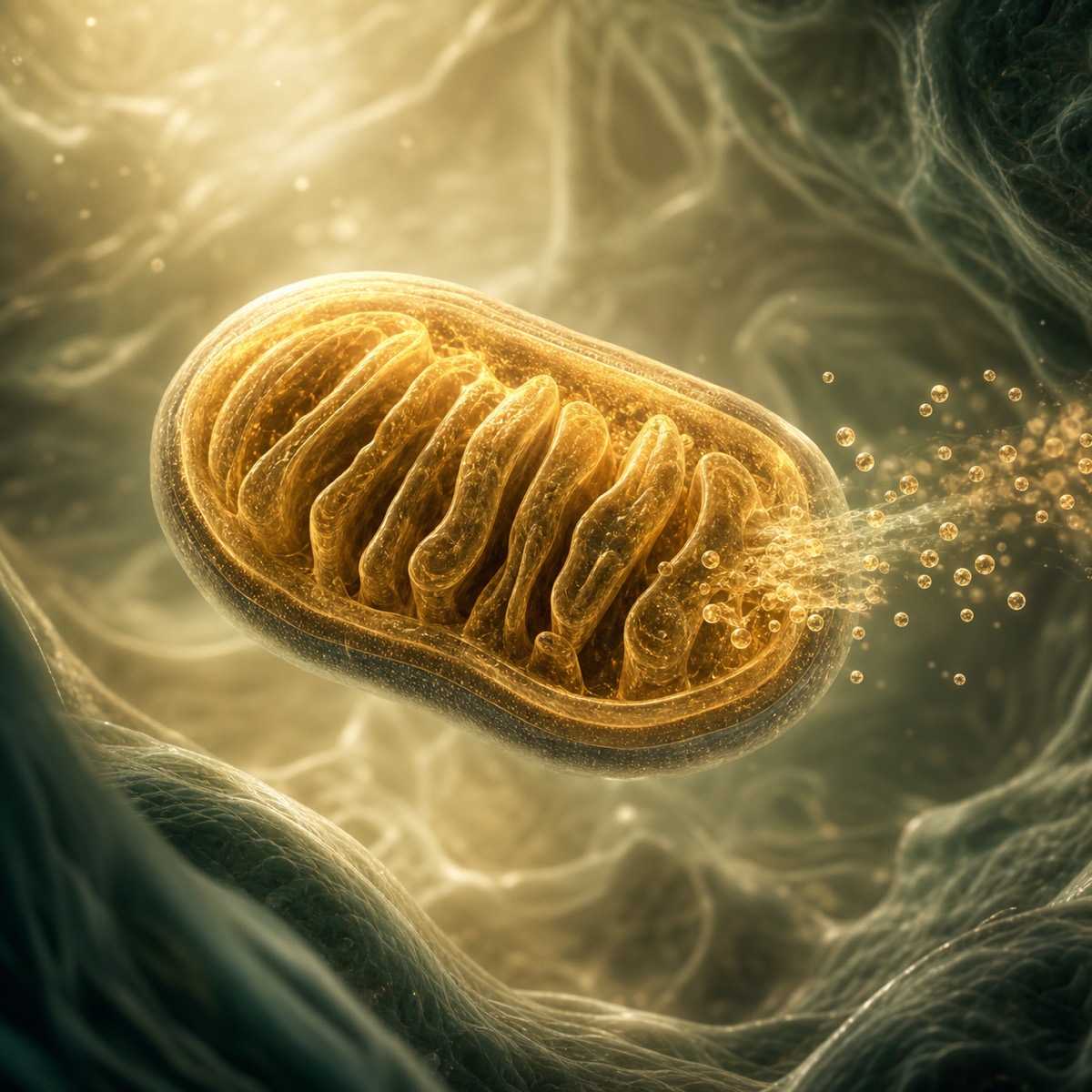
CIRS Was Right — for 2004: The Shift to the Cell Danger Response
Science
If you have spent time in the mold world, you know the CIRS model — Chronic Inflammatory Response Syndrome. It is worth saying clearly: CIRS was real, pioneering work. It is also worth understanding why being right in 2004 is not the same as being complete in 2026.
A map of one country
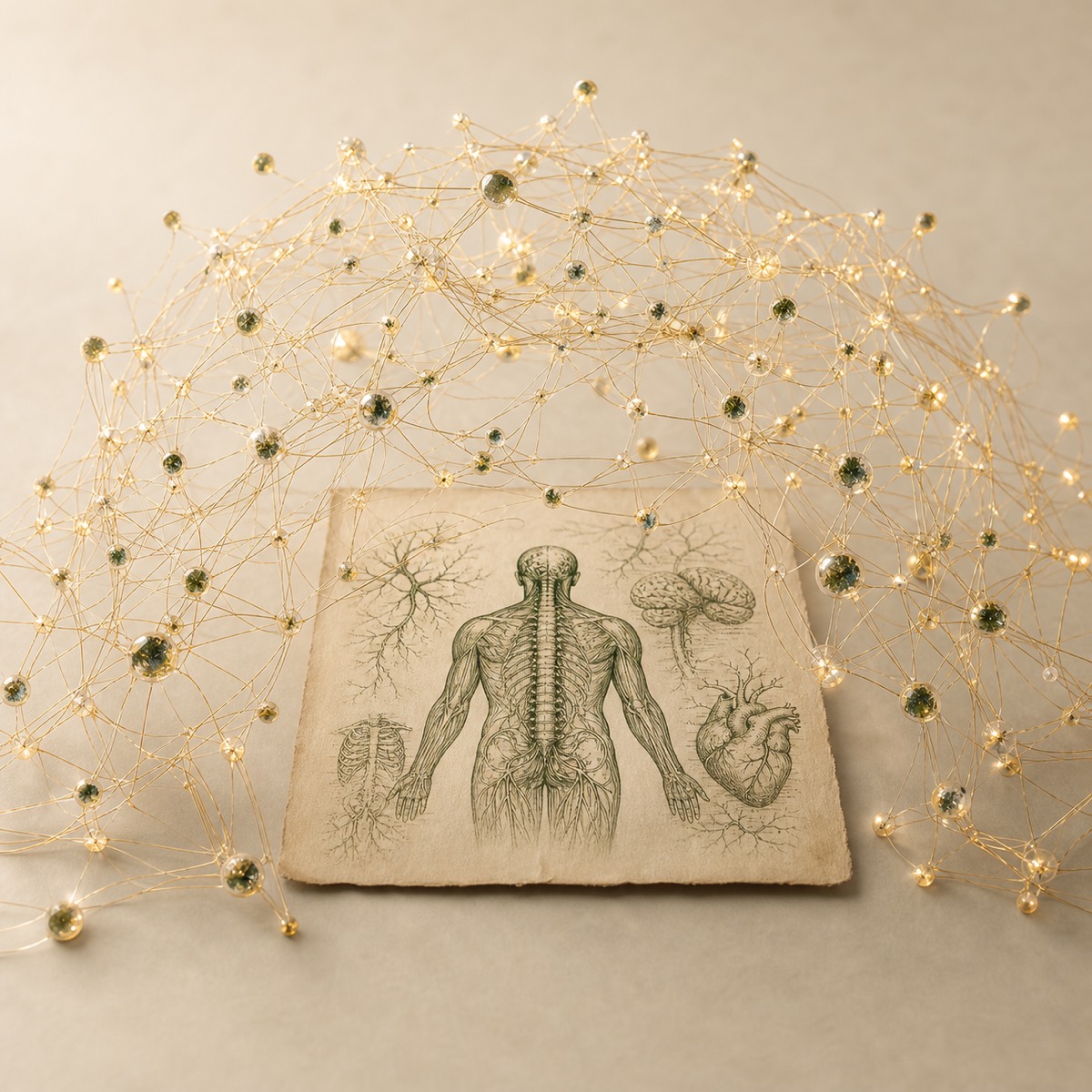
CIRS captured something true: water-damaged buildings make certain people genuinely, measurably sick through inflammation — at a time when mainstream medicine was dismissing them. But it treated one trigger (biotoxins) and one slice of the downstream biology as a whole, self-contained disease.
The map contained one country. The new science drew the continent — and located that country within it. — Andrew Heyman, MD
The continent is the Cell Danger Response
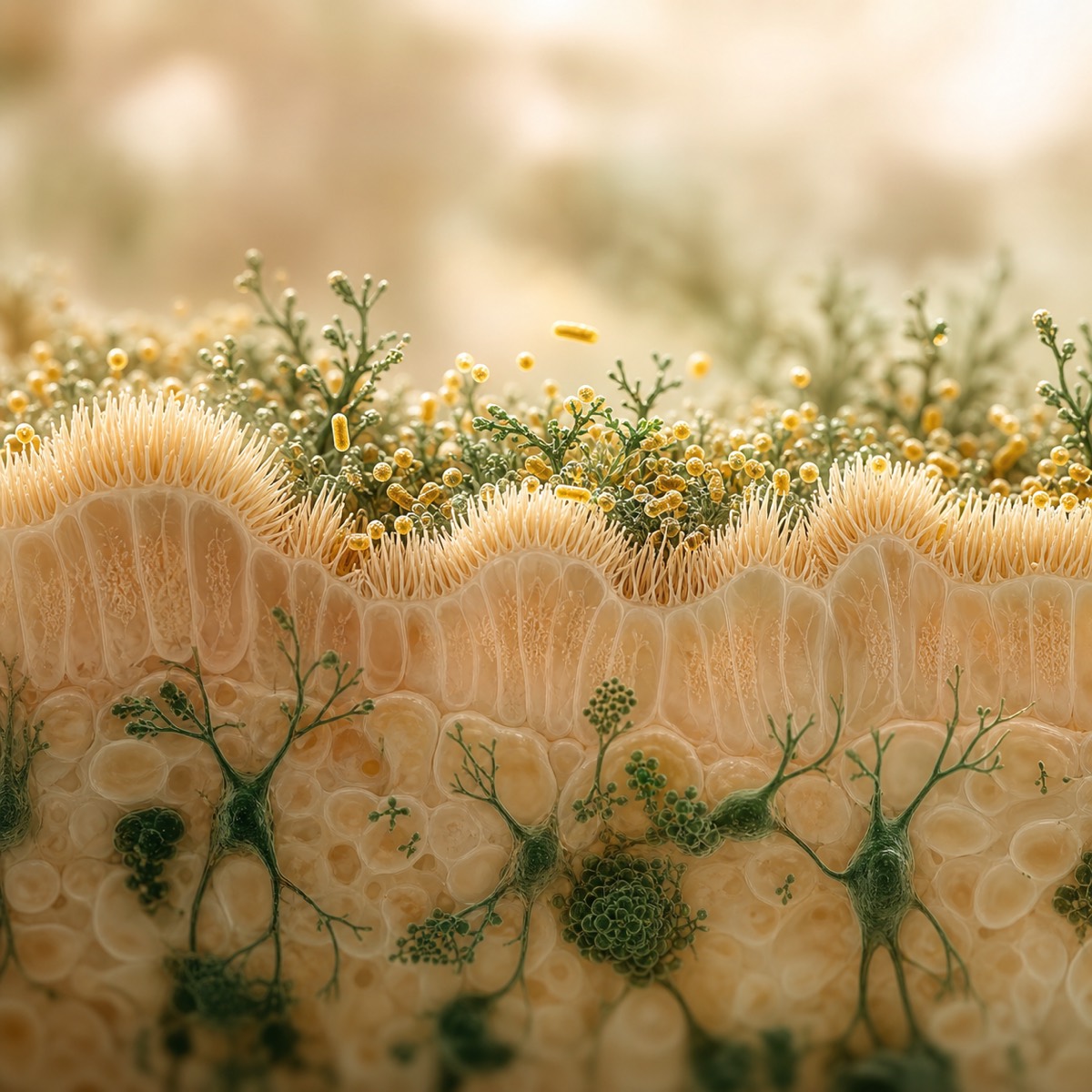
The newer science — the Cell Danger Response — is trigger-agnostic. Mold, infection, metabolic stress, and psychological stress all converge on the same cellular checkpoint. CIRS turns out to be one important instance of a much larger law, which is why it worked when it worked and failed the patients it never quite fit.
This is how science is supposed to work
Superseding CIRS is not an insult to it. Special cases getting absorbed into general laws is the normal, healthy progress of medicine — the way Newton’s physics lives on inside Einstein’s.
Mistaking the special case for the general law is the root error from which the rest follows. — Andrew Heyman, MD
The takeaway
Honor the map that got the field to the edge of the territory. Then use the better one. CIRS opened the door; the Cell Danger Response walks you through it — and explains the cases the door alone never could.