




How the Alarm Eats Its Own Off-Switch
Science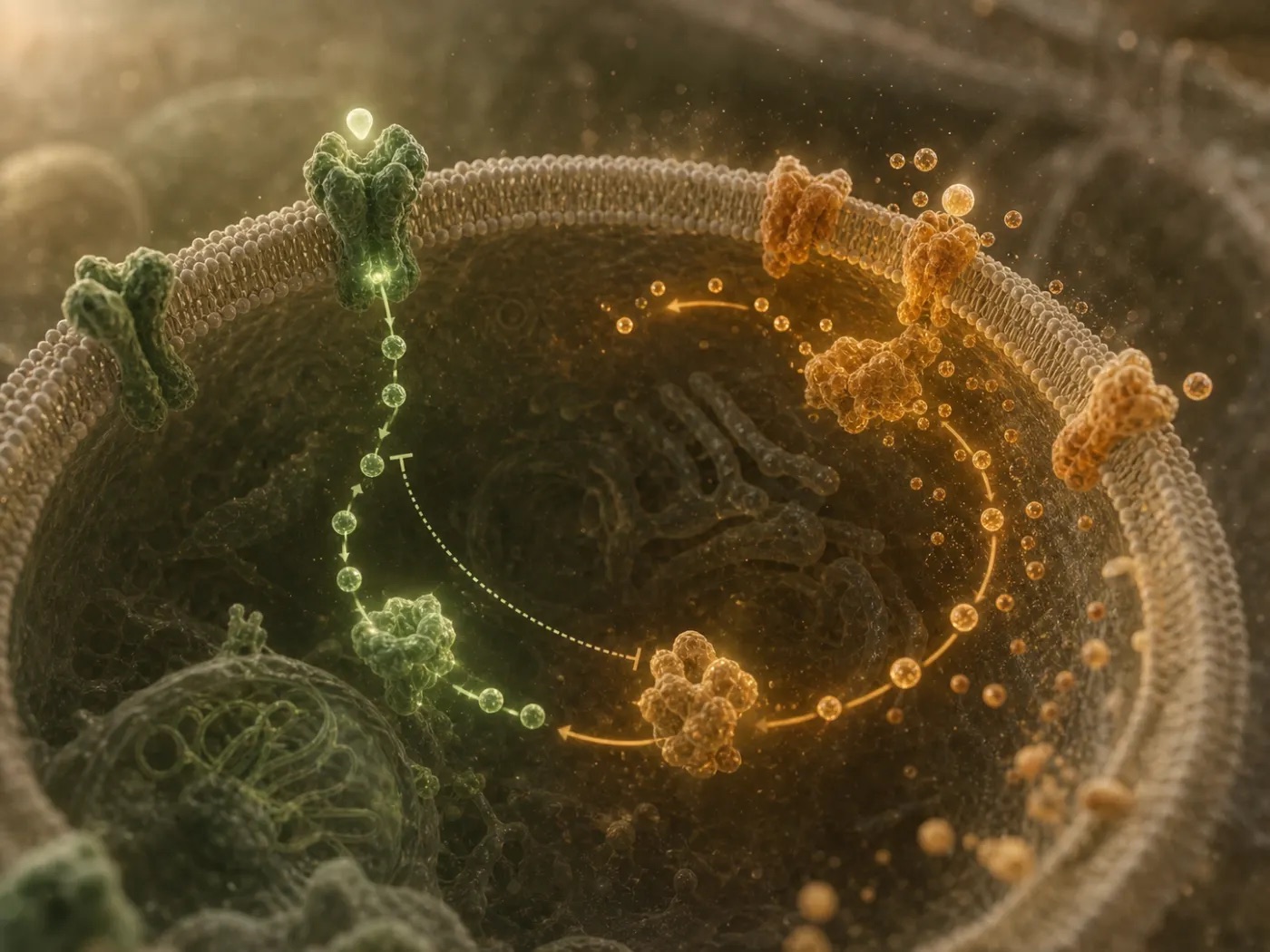
A reasonable question haunts chronic illness: how can one exposure — a moldy apartment you left years ago — keep you sick for years? A single injury should not cause a decade of illness. Unless the alarm has learned to destroy the very thing that would shut it off.
A feed-forward trap
In health, the systems that resolve inflammation stand the alarm down. In chronic illness, the alarm turns on those systems. It degrades the gut barrier (raising the load of leaking triggers), suppresses the calming regulatory cells, and keeps the immune cells primed. The response eats its own brakes.
The response erodes the denominator; the falling denominator amplifies the response; the cycle becomes self-sustaining. — Andrew Heyman, MD
Why this explains the “stuck” feeling
Once this loop closes, the original trigger is almost beside the point. The illness now sustains itself — which is exactly why “just avoid mold” is not enough after a certain stage, and why people stay sick long after the exposure ends.
The good news hidden inside
A self-sustaining loop has many nodes — and interrupting it at any one of them can start to reverse it. Rebuild the barrier, restore the resolving signals, calm the primed immune cells: each move weakens the cycle. You do not have to fix everything at once; you have to break the loop.
The takeaway
Chronicity is not a mystery or a character flaw. It is a loop in which the alarm consumes its own off-switch. Recovery is, at bottom, the work of rebuilding that off-switch faster than the alarm can erode it.