






Is EMF a Real Health Trigger? An Honest Look at the Weakest Link
Science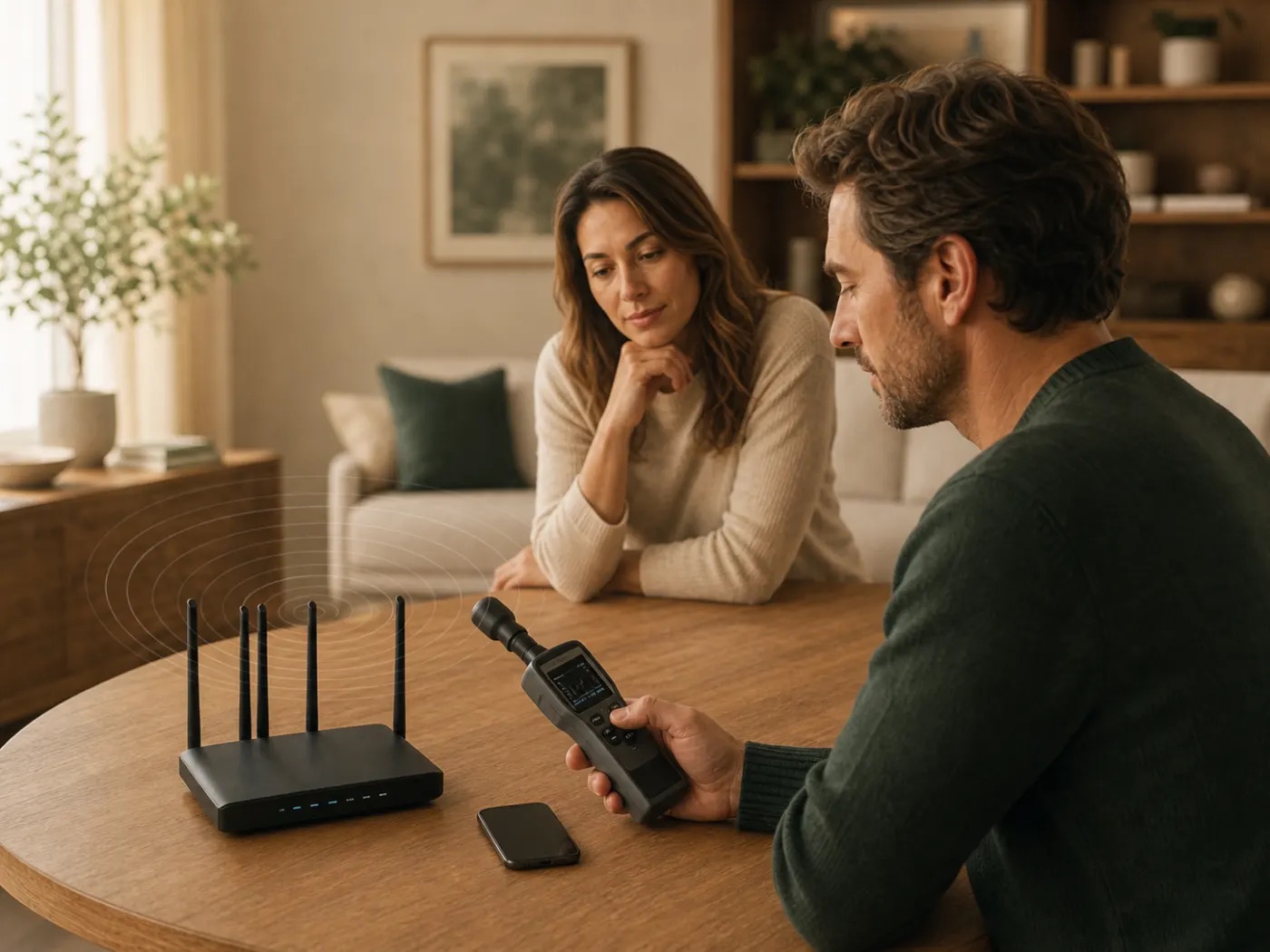
Among the exposures blamed for chronic illness — mold, chemicals, metals, stress, infection — electromagnetic fields (EMF) are the one where the science has not settled. It deserves an honest look, not a sales pitch in either direction.
Where a real signal might be
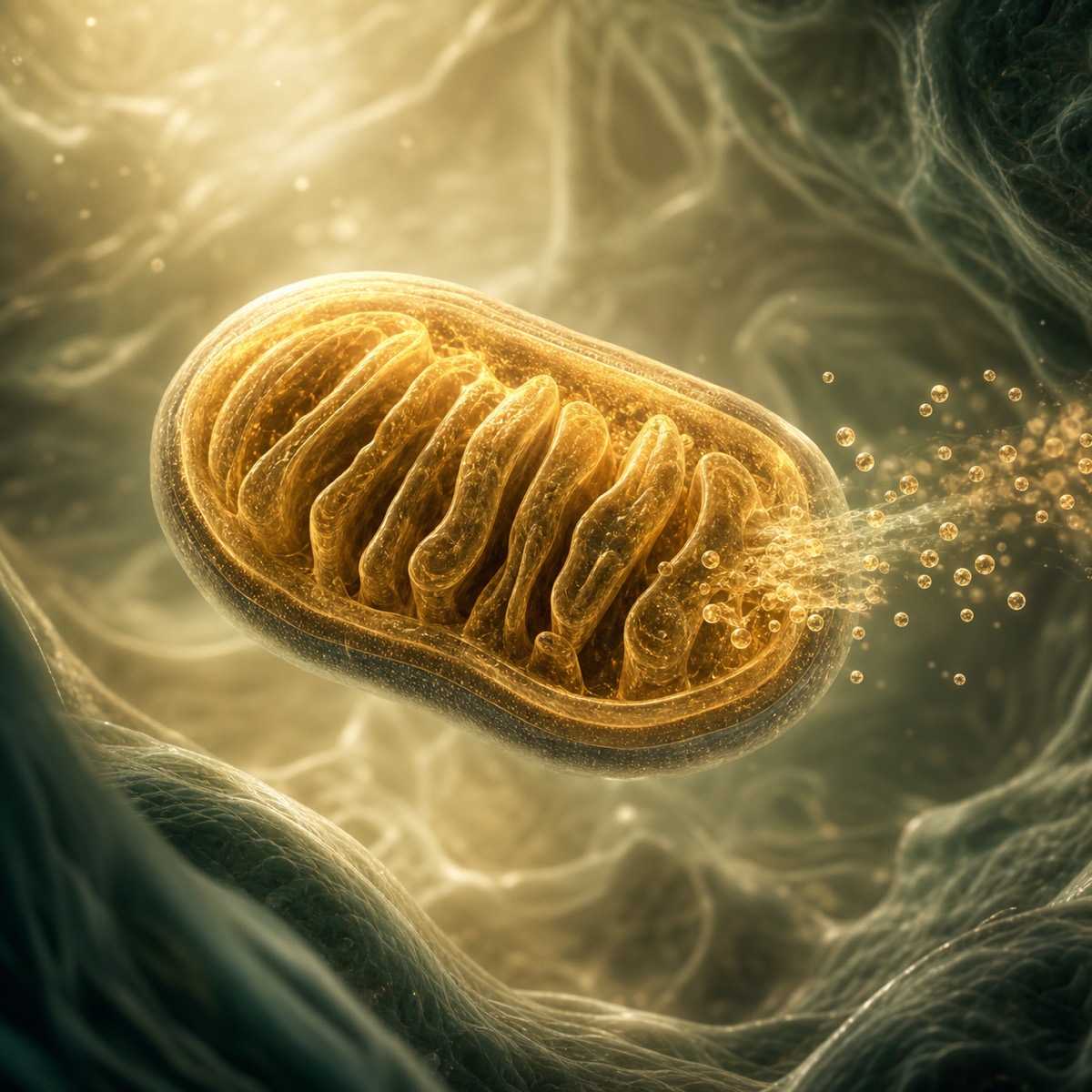
The best-supported way EMF could affect biology is oxidative and inflammatory: fields nudging cells to make reactive oxygen species, which feed the same inflammatory sensors other triggers use. That is a plausible, testable idea.
Where it gets shaky
The popular mechanism — that everyday fields open your cells’ calcium channels — is contested.
Non-thermal EMF mechanisms are scientifically contested. Some reviews conclude that fields at standard guideline limits are far too weak to gate voltage-gated calcium channels. — Andrew Heyman, MD
Honesty as a feature
Unlike the mold, chemical, and infection stories — which rest on well-established biology — the EMF connection is offered explicitly as a hypothesis.
These connectors are presented as a mechanistic hypothesis, not established causation. — Andrew Heyman, MD
How to weigh it
A sensible stance: do not build your recovery around a contested trigger, and be wary of expensive “EMF protection” products. If you are highly reactive, reasonable low-cost steps — distance from devices, wired connections at night — are harmless. But the load-bearing work is the exposures with settled science behind them. Good medicine names its uncertainty, and on EMF the honest answer is “possible, unproven.”