


It Was Never Just Your Genes: Rethinking Who Gets Mold Illness
Science
For two decades, one idea has organized mold medicine: some people are simply born unable to clear biotoxins, because of specific immune genes (HLA-DR haplotypes), said to affect about one in four people. If you have been told you carry “the dreaded genotype,” you have met this idea.
It is a powerful story. It is also, examined closely, unsupported — and the more accurate picture is both more scientific and more hopeful. Susceptibility is largely something you acquire, and largely something you can rebuild.
Where the “gene” claim actually comes from
The primary citation for the genetic claim is not a peer-reviewed paper but a poster presented at the American Society for Tropical Medicine and Hygiene in 2002. — Andrew Heyman, MD
A conference poster is not a validated study: no published methods, no controls, no independent replication. Yet a twenty-year practice of “haplotype testing” grew out of that single source.
Common genes can’t sort the sick from the well
The named haplotypes are roughly as common in healthy people as in patients. A gene most people carry cannot explain who gets sick — the base rates are simply too high. Genuine HLA-driven diseases name the exact molecule involved and show enormous, dose-dependent risk (in chronic beryllium disease, an odds ratio near nine). The mold claim has nothing of the kind. And many mold toxins — the trichothecenes — are not presented by these genes at all, so a presentation-gene story cannot even apply to them.
A better model: acquired, measurable, rebuildable
The modern framing replaces a fixed genotype with a ratio you can change: how much total load you carry, divided by how much tolerance reserve you have to resolve it. “Susceptibility” is just a low reserve — and reserve is built from nameable, measurable, rebuildable parts: your barriers, your inflammation-resolving systems, your metabolic set-point.
Susceptibility simply is a low reserve, and reserve is decomposable into parts we can name, measure, and rebuild. — Andrew Heyman, MD
The proof that it’s dynamic
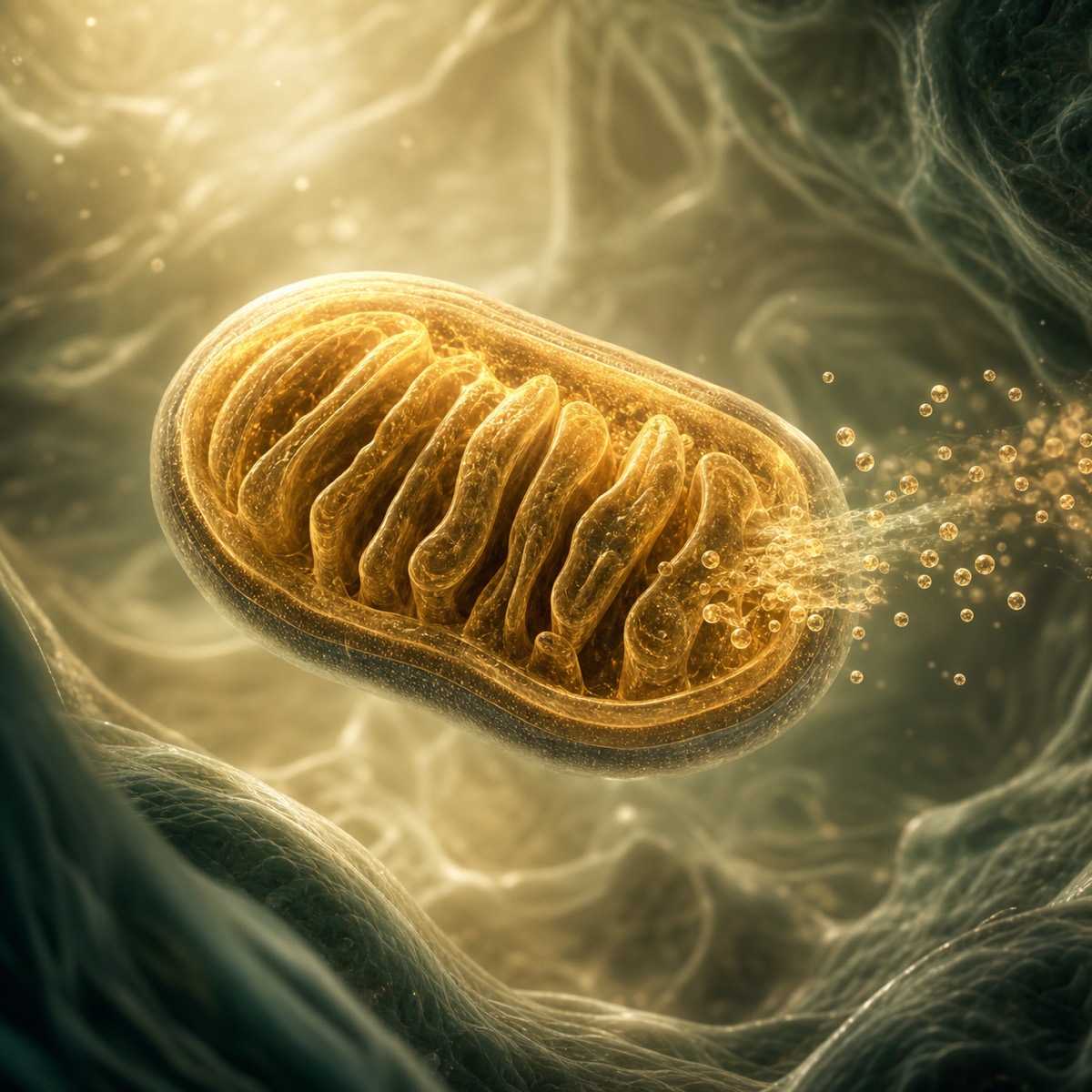
A fixed gene cannot track your illness. But the body’s real danger signals — mitochondrial hormones like GDF15 and FGF21 — rise when your burden rises and fall as you recover. A susceptibility that moves with treatment is, by definition, an acquired and modifiable one. A haplotype you were born with could never behave that way.
Why this matters for you
“Born broken” is a life sentence. “Currently overloaded, with rebuildable reserve” is a plan. You are not defective; your reserve is low — and reserve can be raised.
An acquired, metabolically maintained state is, in principle, a re-trainable one. — Andrew Heyman, MD