





Mold and “Unexplained” Infertility: The Under-Recognized Reproductive Link
Science
When infertility is labeled “unexplained,” it means the standard workup came back normal — not that there is no cause. Mold toxins are one of the most under-recognized causes to consider, especially with a water-damage history.
“Unexplained” infertility is one of the areas where mold toxins have the most under-recognized relevance. — Andrew Heyman, MD
Two toxins with reproductive targets
Zearalenone is an estrogen mimic — it scrambles the brain-pituitary-ovary signaling cascade, can suppress ovulation and follicle development, and may reduce ovarian reserve.
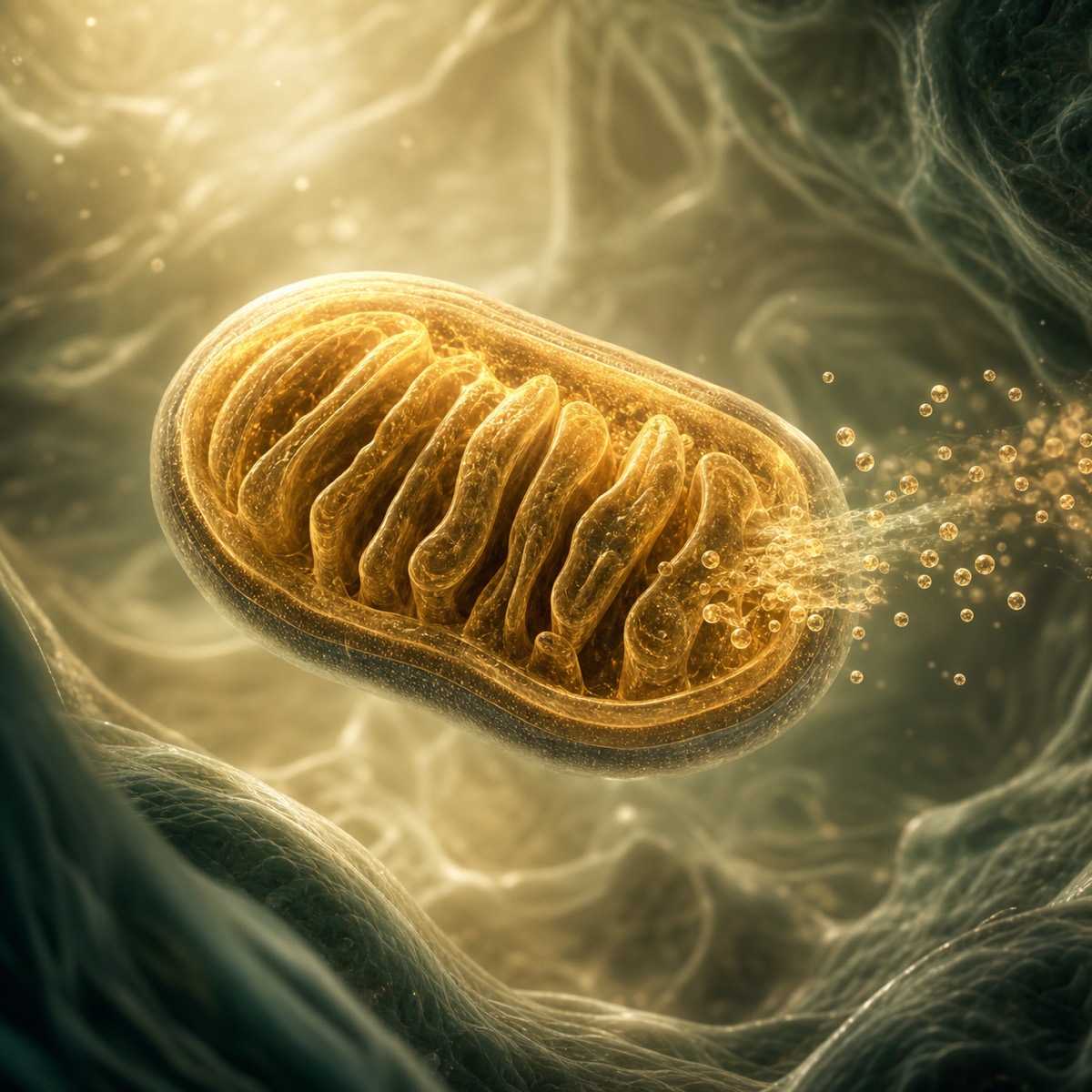
Ochratoxin A damages eggs and sperm directly by poisoning their cellular engines, and is linked to sperm DNA damage.
When to consider it
A mold evaluation is worth adding to the workup when there is a water-damage history alongside suppressed reproductive signaling, recurrent early pregnancy loss, or unexplained sperm-quality problems. The same estrogen-mimicking toxin may also aggravate endometriosis and fibroids.
Why this matters
This is not a promise that mold explains every case — but it is a low-cost, often-overlooked stone to turn over. For couples told “we can’t find a reason,” an environmental cause is at least a reason you can act on.
The takeaway
“Unexplained” should prompt a wider look, not a shrug. If your home has a water-damage history, mold belongs on the list of things to rule out before infertility is filed as a mystery.