






The Pain That Doesn’t Make Sense: Mold, Fibromyalgia, and Three Kinds of Pain
Diagnosis
Mold pain is easy to misattribute — it moves, it spreads, it does not match an injury. And fibromyalgia, the diagnosis many people land on, overlaps almost completely with mold illness. For some, that is a clue to a treatable cause hiding inside an “idiopathic” label.
Notably, fibromyalgia overlaps almost completely with this illness; for a subset of those patients, a water-damage history points to a treatable cause for what’s been managed as idiopathic pain. — Andrew Heyman, MD
Three different pains, three different fixes
Central sensitization — inflammation turns up the volume on the pain circuits of the spinal cord and brain, so pain amplifies and spreads beyond any injury. This is the fibromyalgia pattern.
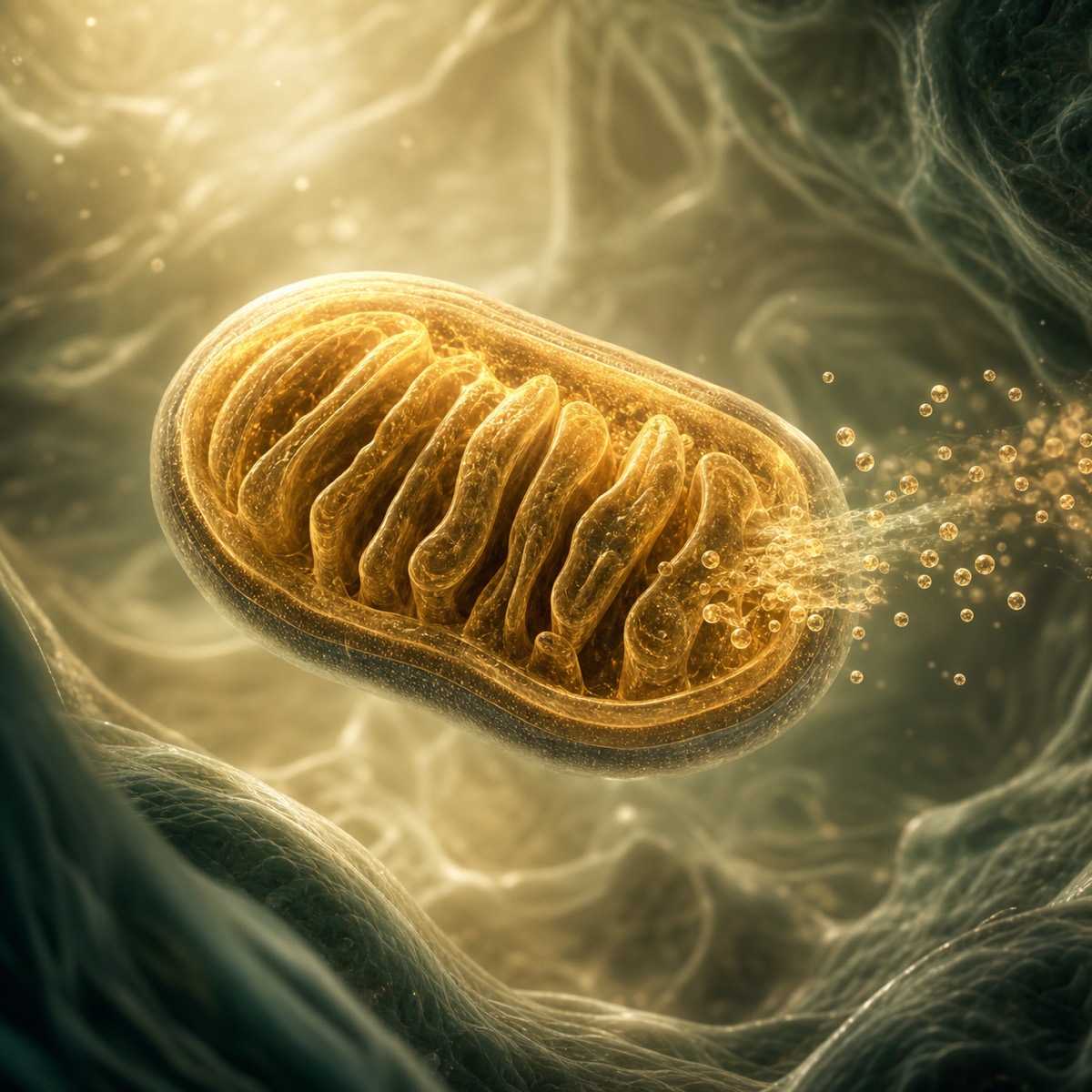
Metabolic pain — stalled cellular engines produce a deep, aching muscle pain that responds to rebuilding the engines, not to painkillers.
Nerve pain — toxins can damage peripheral nerves, causing burning or electrical sensations that, unlike most nerve damage, may be reversible.
A useful clue
One tell is location-dependence: headaches or body pain that reliably worsen in a certain building. Pain that tracks a place points at the environment, not just the nervous system.
Why the label matters
“Fibromyalgia” and “idiopathic pain” name the pattern without naming the cause. For the subset whose pain began with a water-damaged building, that cause may be findable — and treating it addresses the pain at its source rather than only muffling it.
The takeaway
If your pain does not fit an injury, moves around, or worsens in specific places, it is worth asking which of these mechanisms is at work — and whether an environmental cause has been overlooked. Some “unexplained” pain has an explanation, and a treatable one.