



When the Automatic Becomes Unreliable: Mold, POTS, and Dysautonomia
Diagnosis
A racing heart when you stand, lightheadedness, the sense that your brain “goes offline” upright — these are hallmarks of dysautonomia, and its best-known form, POTS. In mold illness they are common, and there is a difference between managing them and treating the cause.
What’s actually misfiring
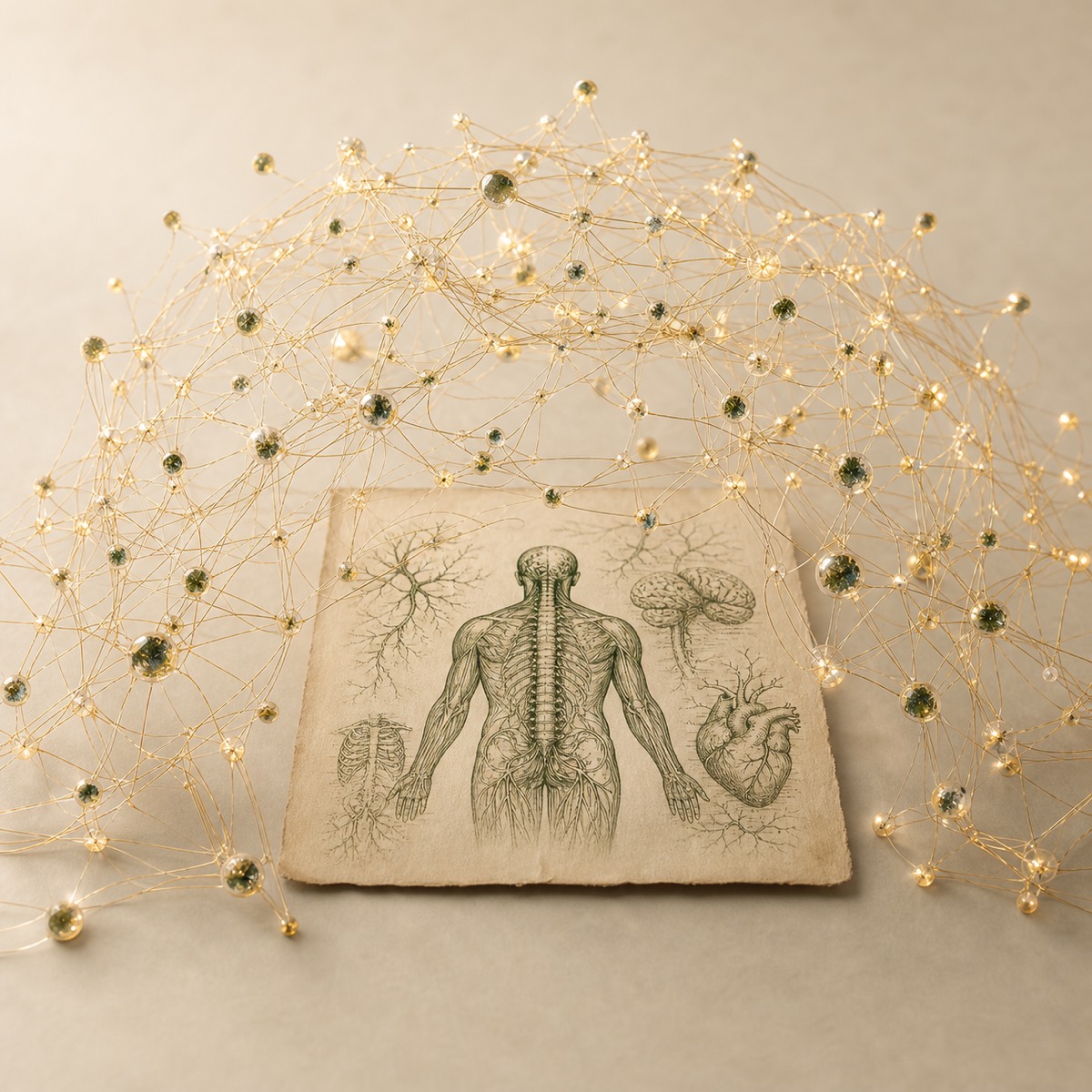
Your autonomic nervous system runs the automatic stuff — heart rate, blood pressure, digestion, temperature. When mold illness dysregulates it, standing up (which should trigger a smooth adjustment) instead sets off a racing heart and a pressure drop. That is POTS.
Support vs. cause
Standard care helps you cope — but it does not fix the underlying dysregulation.
Standard POTS care — salt, fluids, compression, beta-blockers — supports the symptoms. This approach treats the cause. — Andrew Heyman, MD
Treating the driver
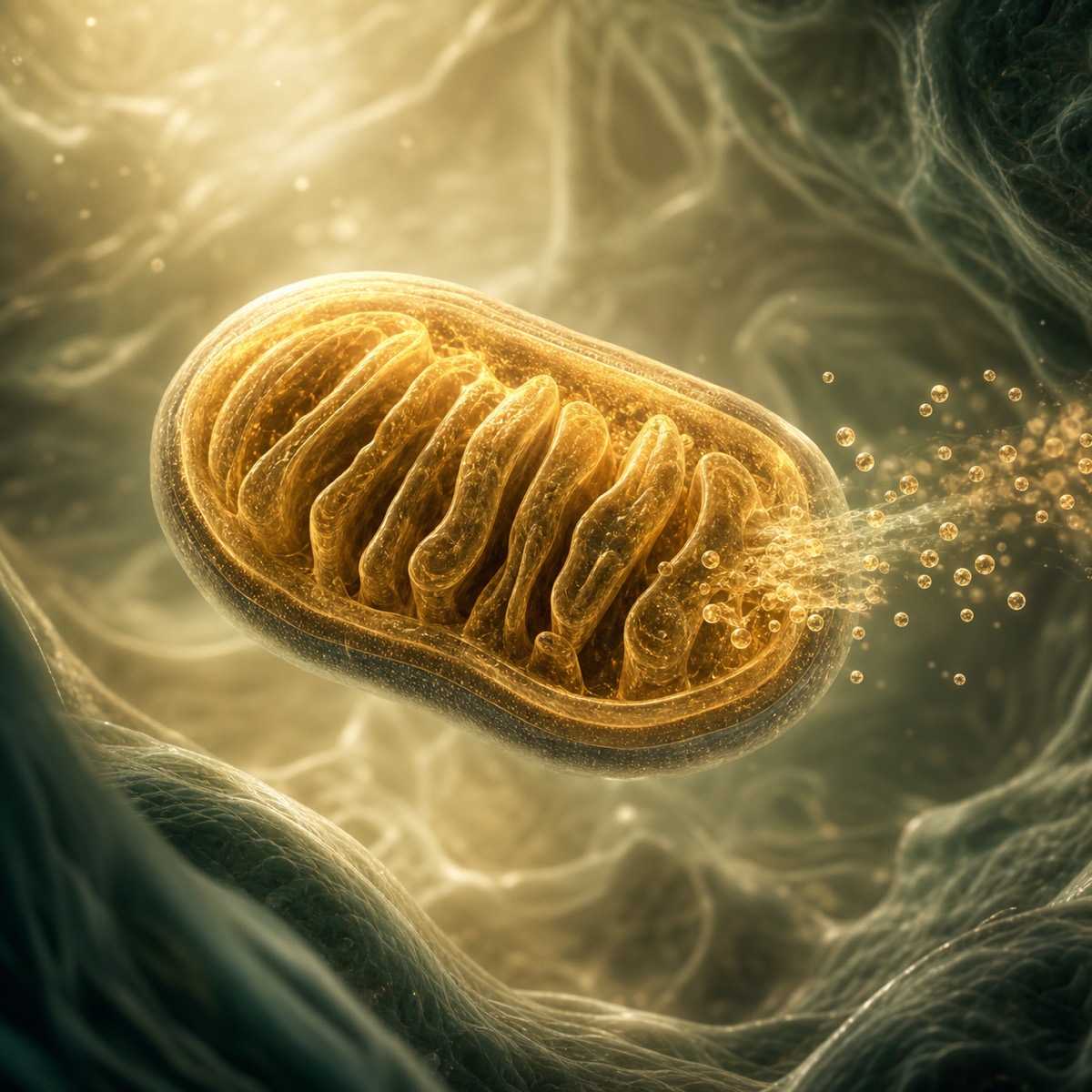
In this framework, the autonomic problem is downstream of the danger state, so the levers are different: rebuild the calming (parasympathetic) branch through breathing and heart-rate-variability work, restore the mitochondrial engines, correct the fluid-balance signaling (ADH and osmolality), and calm the mast cells that often ride along.
The takeaway
Salt, fluids, and compression are genuinely useful — keep them. But if POTS showed up with your mold illness, it may be a symptom of the larger danger state, and it tends to improve as that state resolves. Support the symptom and treat the cause.