


The Cell Danger Response: Why Mold Illness Is an Alarm That Won’t Shut Off
Science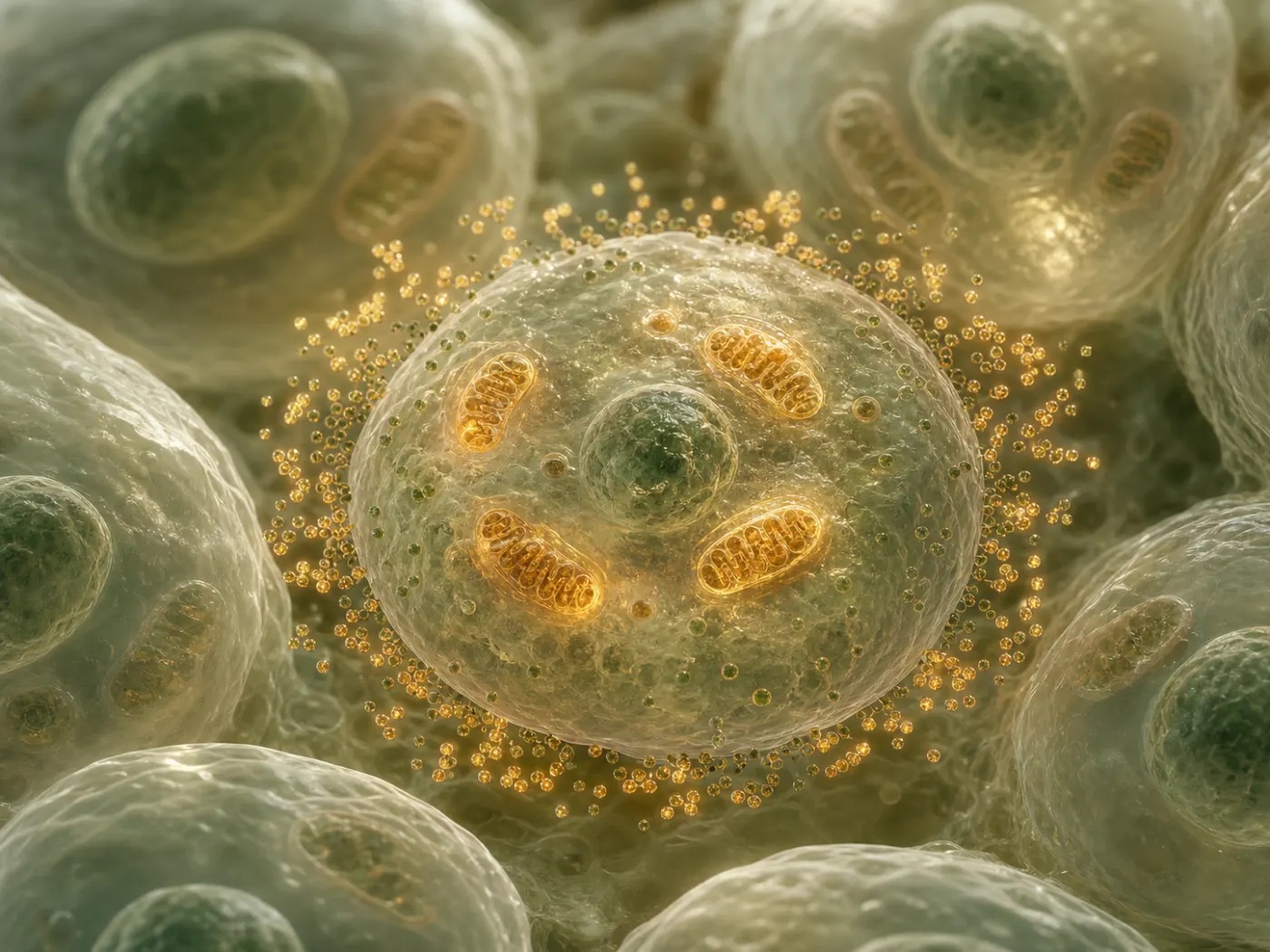
Chronic mold illness is often described as toxins lingering in the body. The real story is stranger, and more hopeful: the illness is a survival program that switched on for a good reason and never received the signal that the danger has passed.
That program has a name — the Cell Danger Response, described by Robert Naviaux at the University of California, San Diego. Understanding it reframes almost everything: why you feel the way you do, why the usual treatments disappoint, and why recovery has to happen in a particular order.
An ancient program, running in your cells
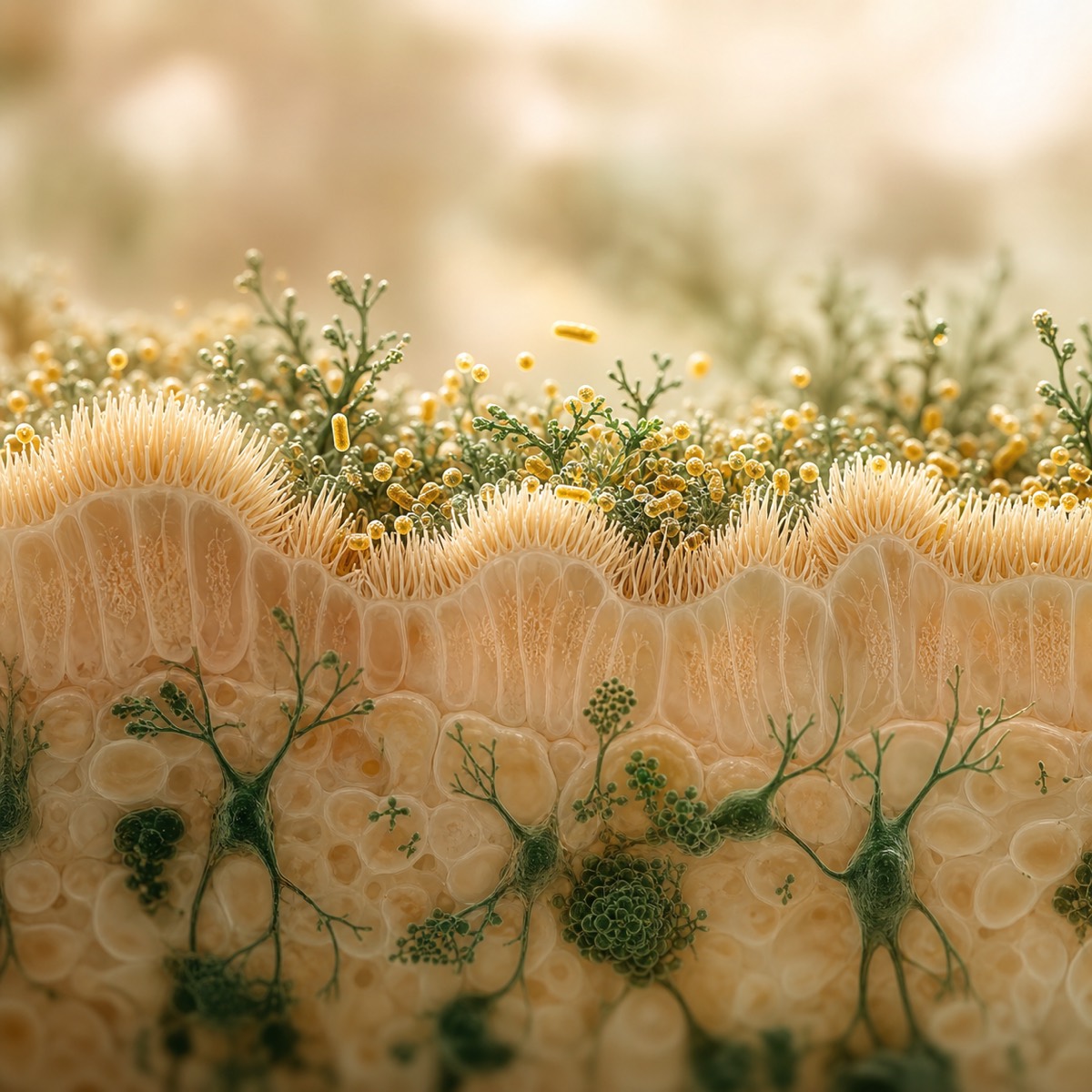
When a cell senses serious threat — a toxin, an infection, damage — it does not simply fight. It shifts into a coordinated defensive state: it stiffens its membranes, changes how it makes energy, and stops cooperating with its neighbors. This is protective, and it is meant to be temporary, resolving in stages back to normal repair.
There are three stages. CDR1 is the active alarm. CDR2 is a low-power “conservation” or siege state. CDR3 is active restoration. Health is completing the arc — returning all the way through CDR3 and back out. Chronic illness is the arc getting stuck partway.
Why the alarm stays on
Look closely at what keeps mold patients sick and a pattern emerges — every item on the list is still telling the cell “danger.”
Mold illness is what happens when that return gets blocked: the danger signal can’t turn off, because the toxins keep recirculating, the engines are poisoned, the infections smolder, the gut leaks, the stress never resolves, and the nervous system stays locked in alarm. — Andrew Heyman, MD
The alarm is not malfunctioning. It is still receiving inputs — so it keeps firing. That single insight reorganizes treatment: you do not silence the alarm, you remove what it is still responding to.
The switch that won’t flip off
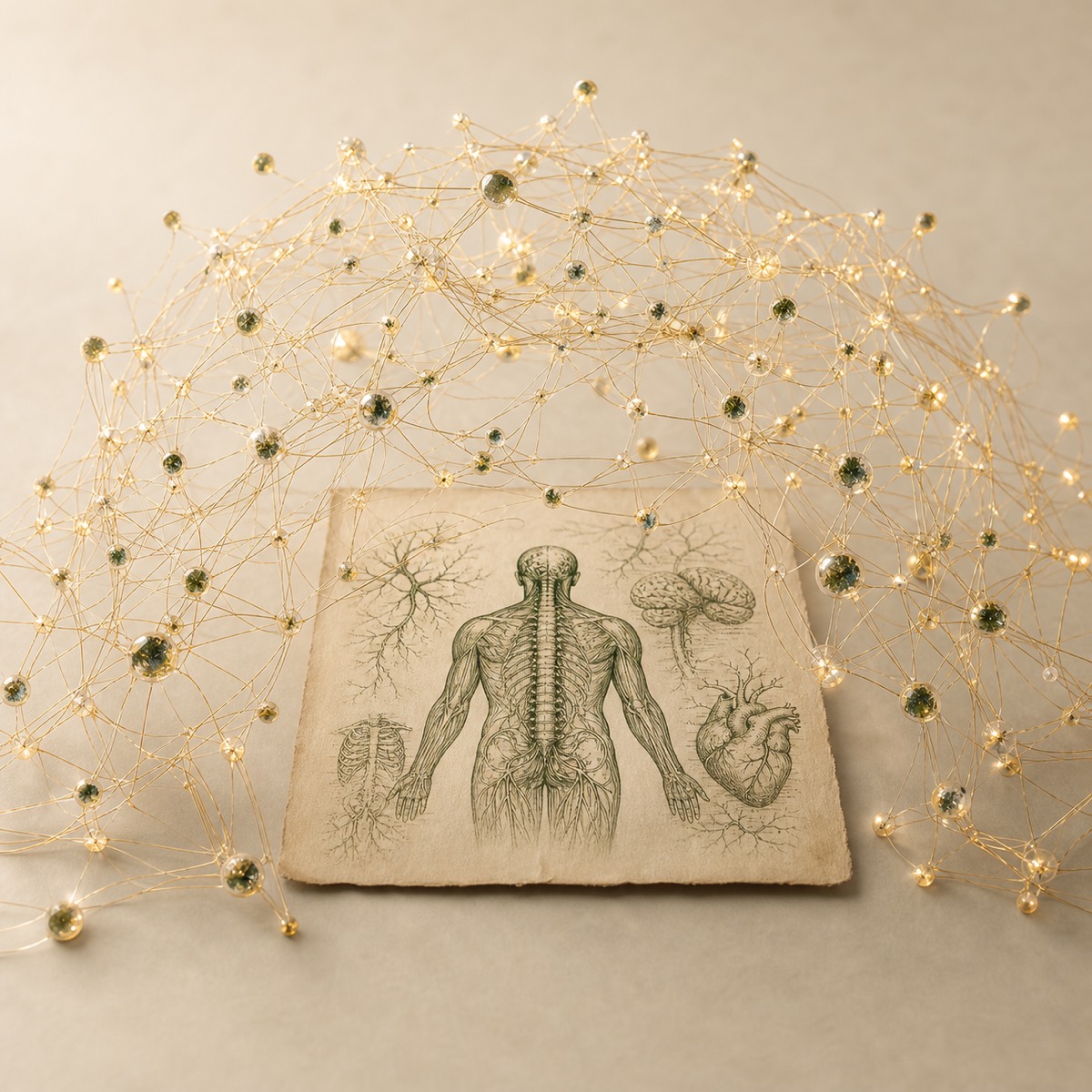
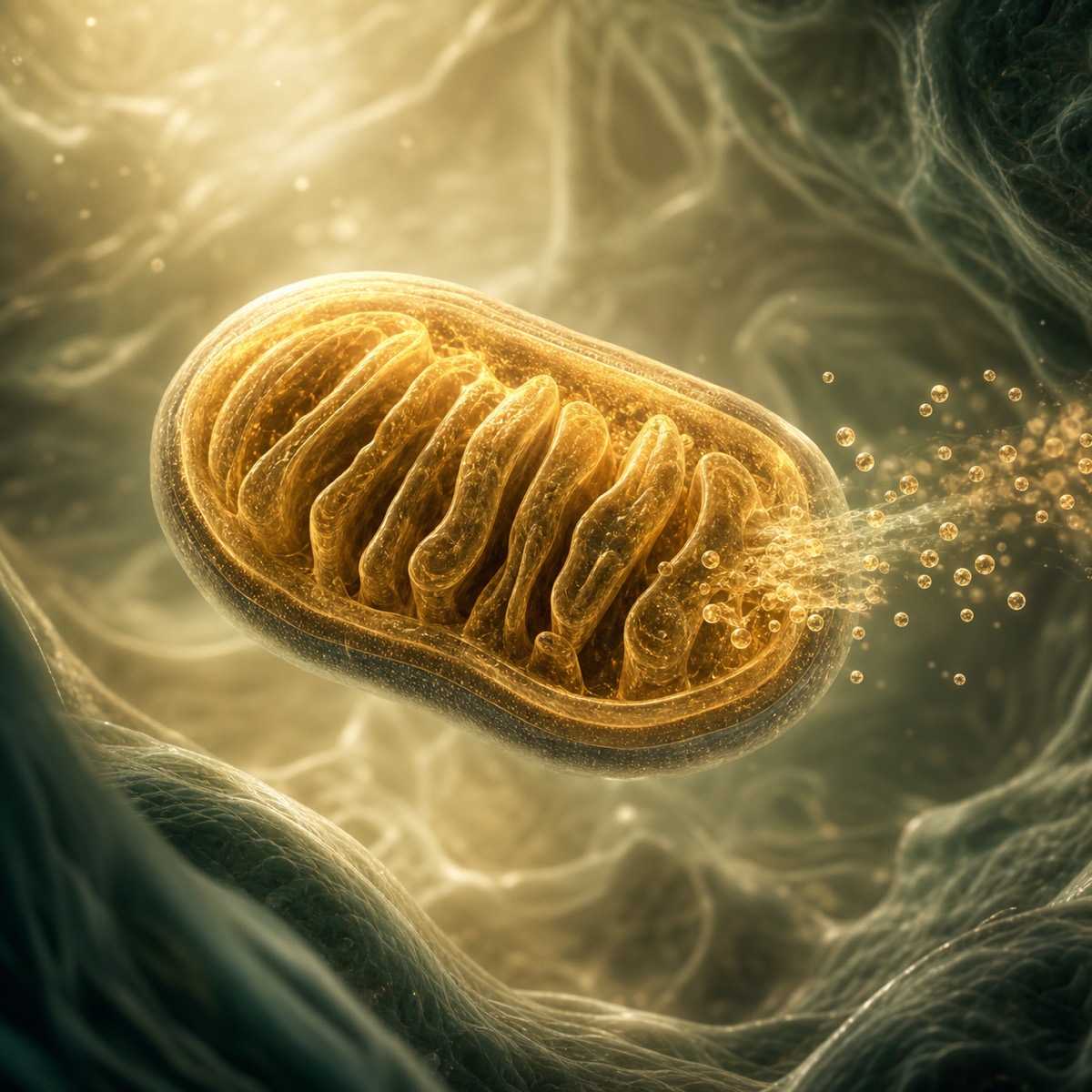
At the center of all this is a molecular switch inside your mitochondria. A brief flip is adaptive, and the cell has an off-switch to end it. When the triggers never stop, the switch stays thrown, and the cell cycles in defense instead of reaching restoration.
A switch that will not turn off is a cycle that cannot close. — Andrew Heyman, MD
Why an ordinary trigger can wreck you now
This is why sensitivity in mold illness is real biology, not fragility. The very same input lands completely differently depending on how much energy reserve a cell has.
The same stimulus — a barometric dip, a trace of perfume, an hour of lost sleep — is filtered by a replete system and ignites a full crisis in an energy-starved one. — Andrew Heyman, MD
Why this is good news
A stuck program is a program that can be un-stuck. Recovery is not about killing something. It is about removing the inputs still signaling danger, rebuilding the reserve a cell needs in order to stand down, and then sending the all-clear — in that order. Nearly everything else in this series is a detail of how that sequence is done.