


The Depression That Isn’t Psychological
Science
Many people with mold illness are told they are depressed, started on antidepressants, and find the medication does not help. That is often read as a sign the depression is severe or treatment-resistant. There is another explanation: in some cases this “depression” is a virus-driven, biological state, and antidepressants target the wrong thing.
When old viruses wake up
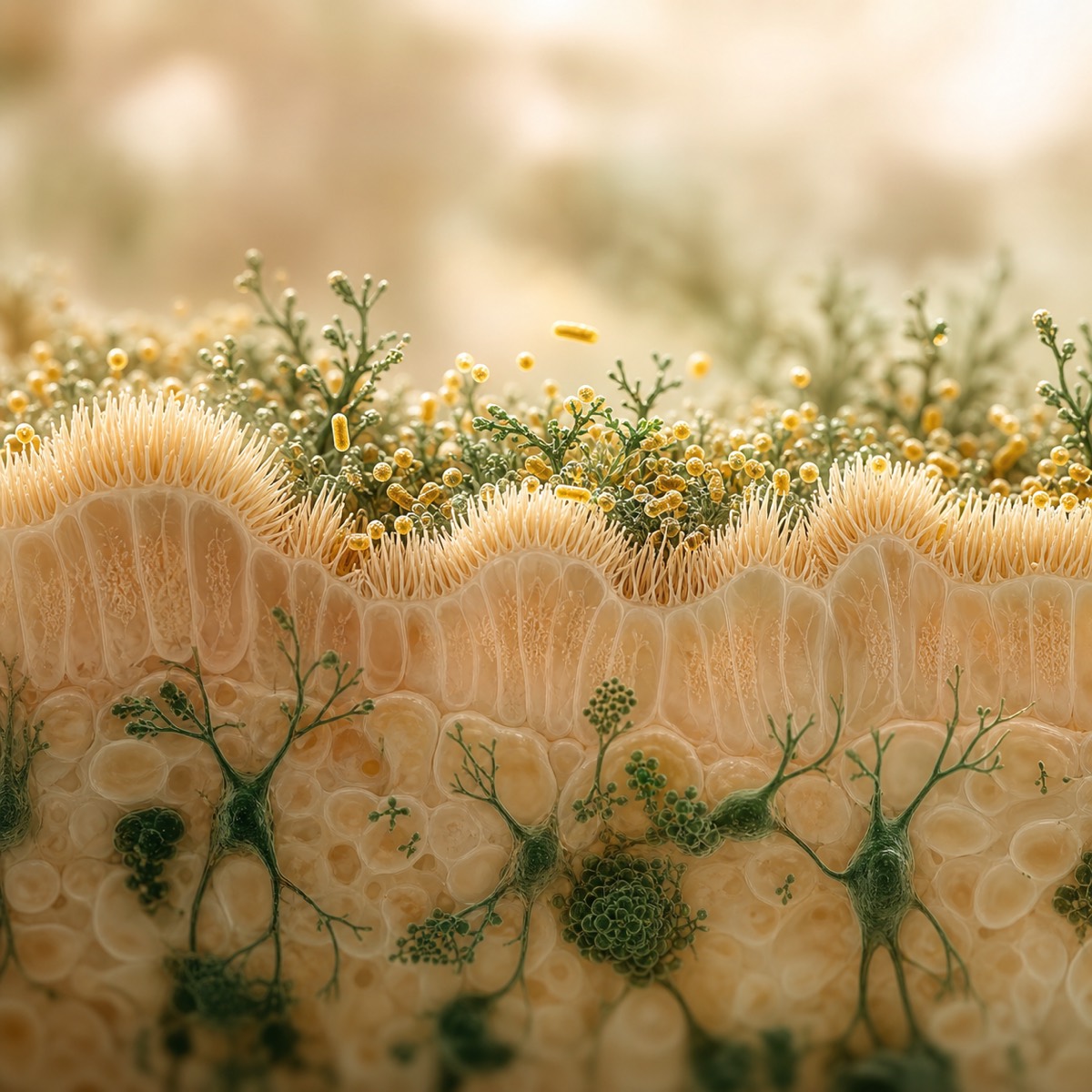
In one phenotype of mold illness, a worn-down immune system lets latent herpes-family viruses — EBV, HHV-6 — reactivate. These are not just fatigue-causers; they drive a specific neuroinflammatory chemistry.
A hijacked chemical pathway
Inflammation diverts tryptophan — the raw material your brain uses to make serotonin — down a different road (the IDO pathway), toward a neurotoxic compound called quinolinic acid. The result is a flat, joyless anhedonia produced by biochemistry, not by mood.
The IDO-driven anhedonia of C is biological, not a motivational failure, and antidepressants are often ineffective. — Andrew Heyman, MD
Why SSRIs often fall flat here
If serotonin’s raw material is being consumed upstream while a neurotoxin is being produced, boosting serotonin reuptake downstream does not address the cause. That is why the medication can do so little — the target is wrong.
What actually helps
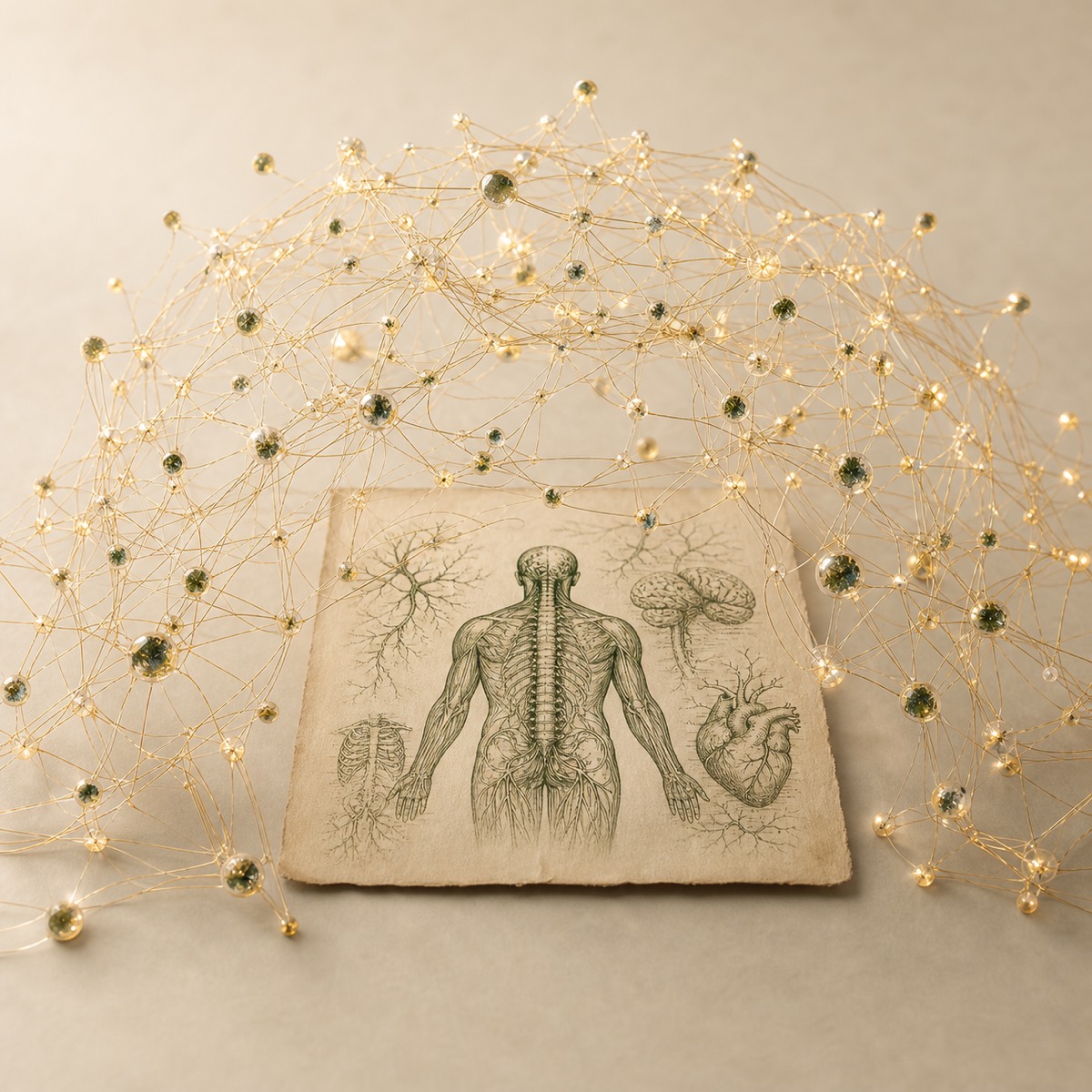
The real levers are addressing the viral reactivation and the immune exhaustion behind it, repleting what the viruses drain, and lowering the overall inflammatory load — alongside nervous-system work that reduces the biological stress driving the loop.
If your low mood arrived with your illness and antidepressants have not touched it, it is worth asking whether this is neuroinflammation wearing the mask of depression.