



The Invisible Ecosystem: What a Water-Damaged Building Actually Puts in the Air
Science
When people picture mold illness, they picture mold — black spots on a wall. But the black spots are the least of it. A water-damaged building produces something far more complex, and far less visible.
What water-damaged buildings actually produce is something far more complex and far less visible: a living ecosystem of biological threat. — Andrew Heyman, MD
More than spores
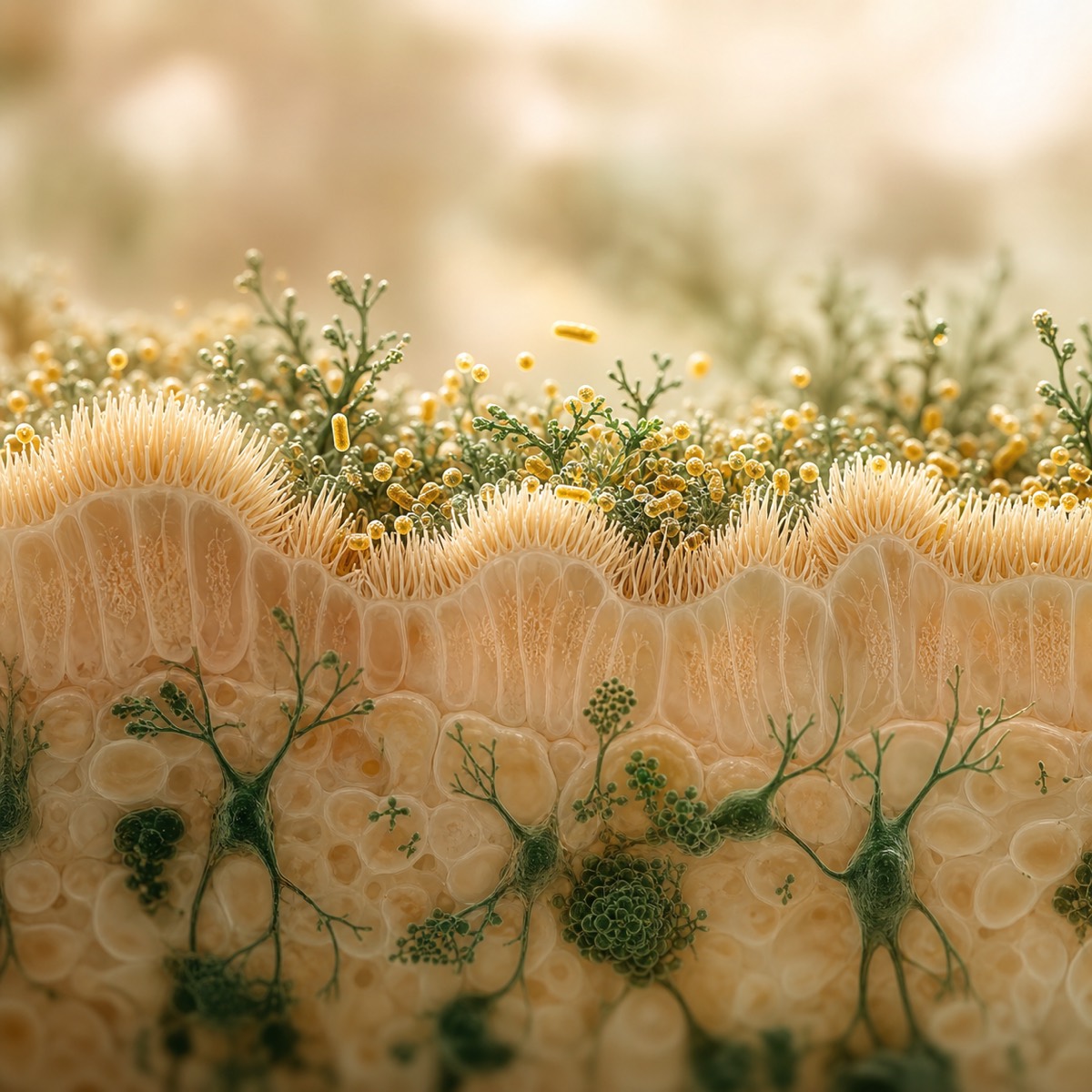
A wet building is an ecosystem, not a stain. It generates mold spores and mycotoxins, yes — but also bacterial endotoxins, cell-wall fragments called β-glucans, volatile organic compounds, and ultrafine particles. Each is a distinct signal to your immune system, and they arrive together.
The HVAC is the delivery system
You do not have to stand next to the mold. The heating and cooling system acts as both a reservoir and a distribution network, carrying these particles into every room — which is why people fall ill in parts of a building far from any visible damage.
A shortcut to the brain
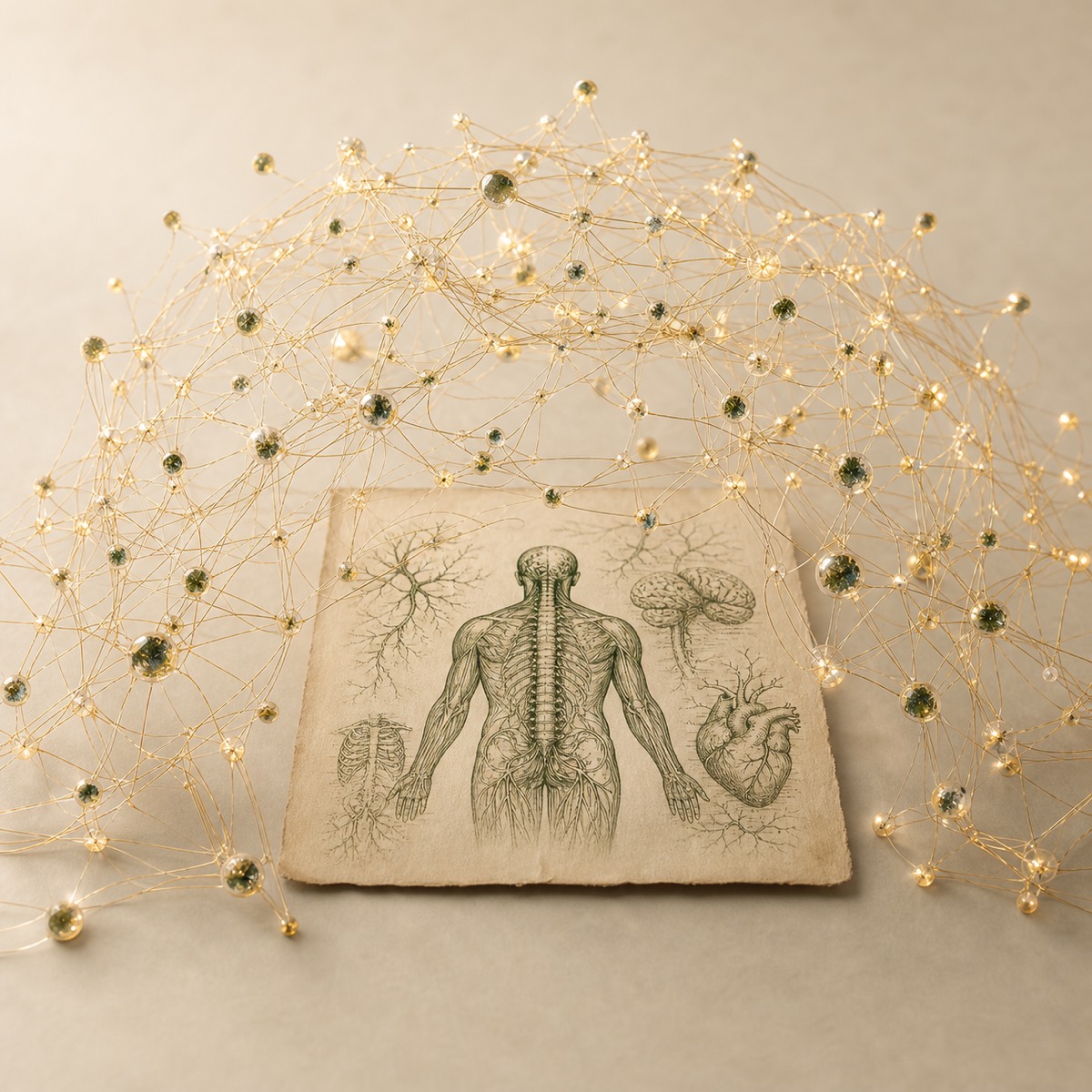
Some of these toxins have a startling route in. Fragments from certain molds can travel up the olfactory nerves at the top of the nose — in near-direct contact with the brain’s emotional and memory hubs — bypassing the body’s usual defenses entirely. It is part of why “mold brain” is so cognitive and so emotional at once.
Your alarm was right
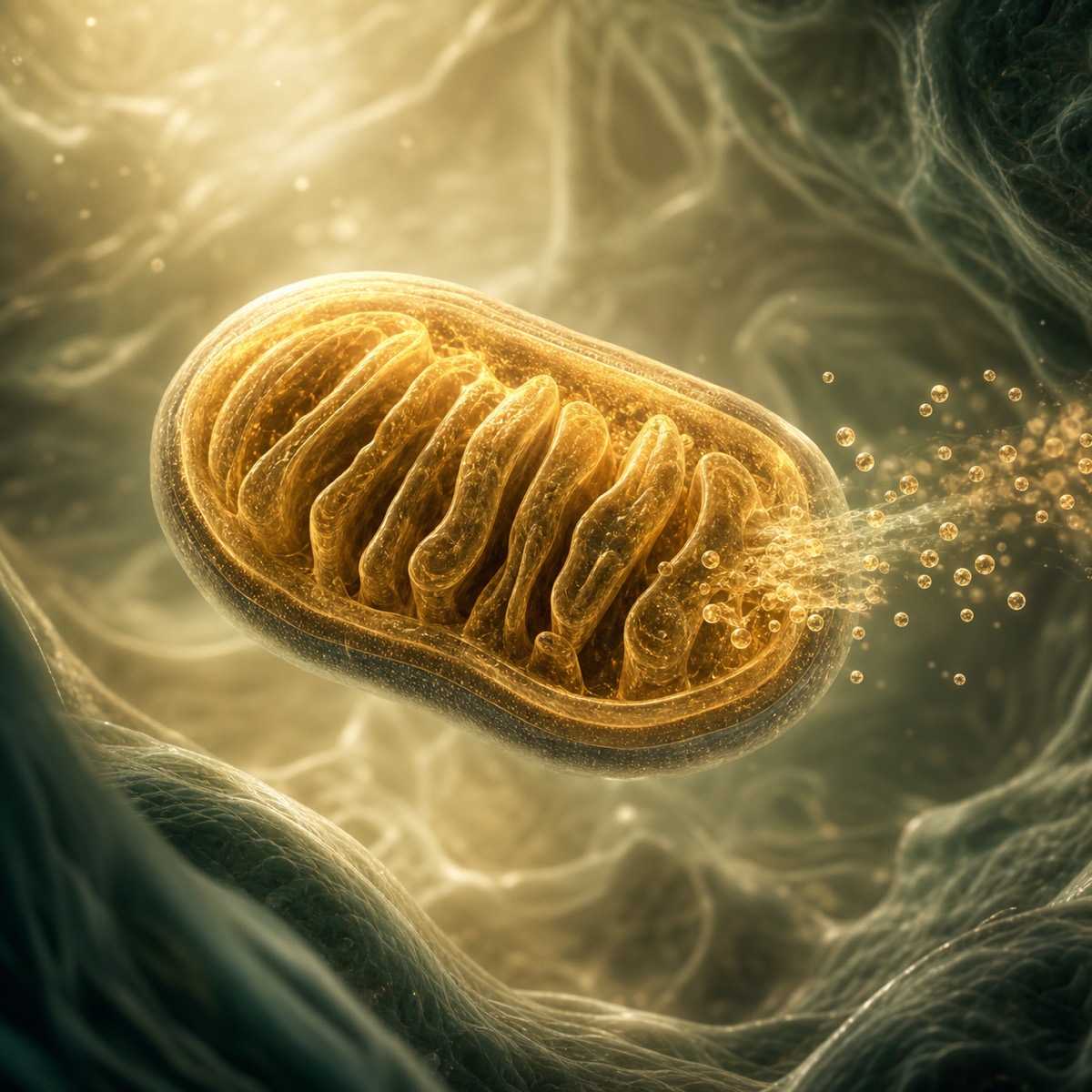
Faced with this barrage, the immune system does exactly what it evolved to do — it sounds the alarm. The problem was never that your body overreacted.
Your body responded exactly as it was designed to respond. The alarm was appropriate. What went wrong was that no one showed it the door. — Andrew Heyman, MD
Which is also the way out: show the alarm the door — find and remove the ecosystem — and the response finally has a reason to stand down.