




When the Body Attacks Itself: The Mold–Autoimmunity Connection
Science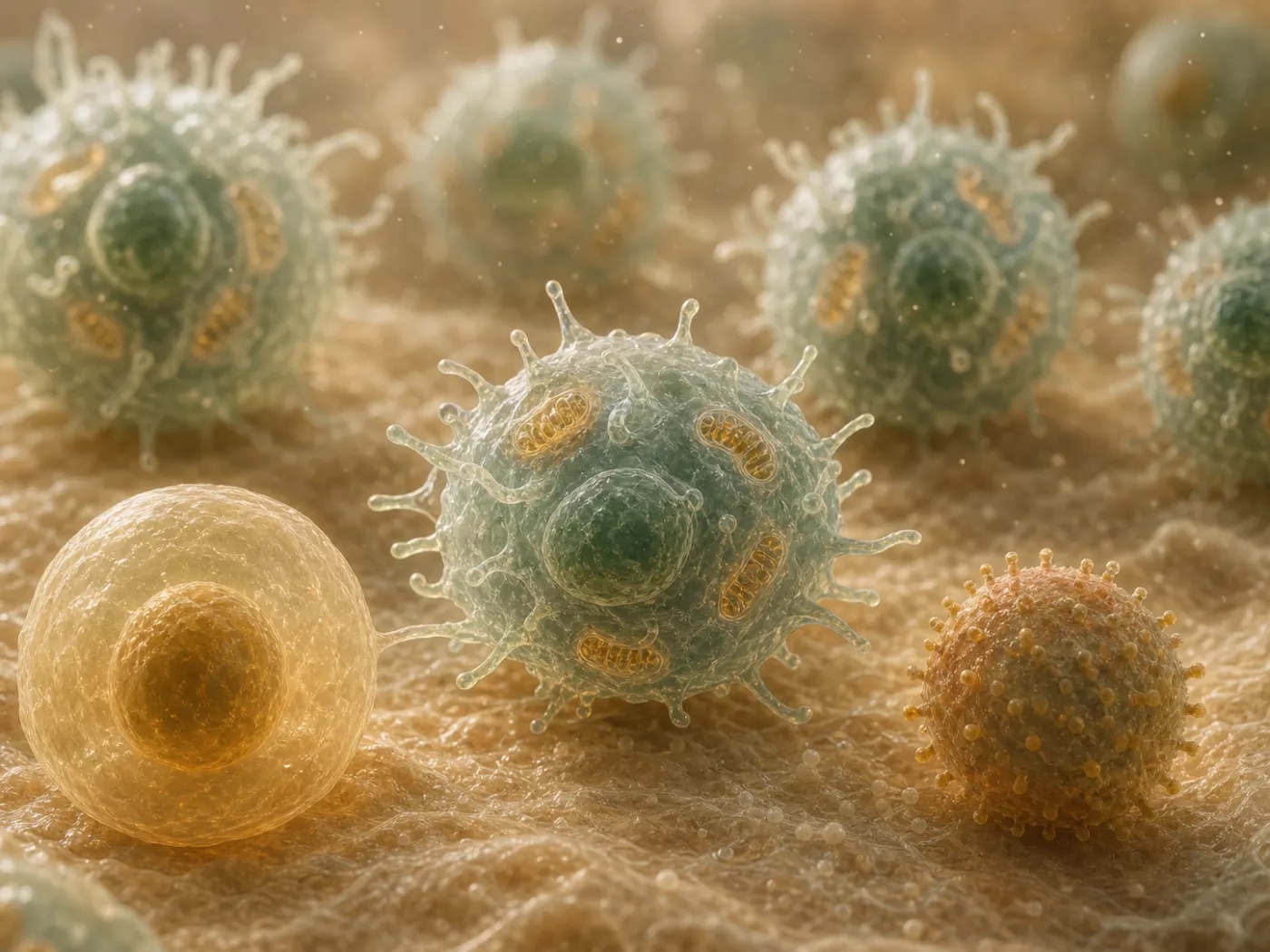
If an autoimmune condition appeared or worsened around the time of a mold exposure, you may have wondered whether they are related. It is a fair question — and one of the most mechanistically plausible, least studied links in the field. Here is the honest version.
The honest status: strong enough to warrant attention, not yet conclusive enough for categorical claims. — Andrew Heyman, MD
Three plausible routes
Molecular mimicry — some mold proteins resemble human proteins, so an immune attack on the toxin can spill over onto the body’s own tissues.
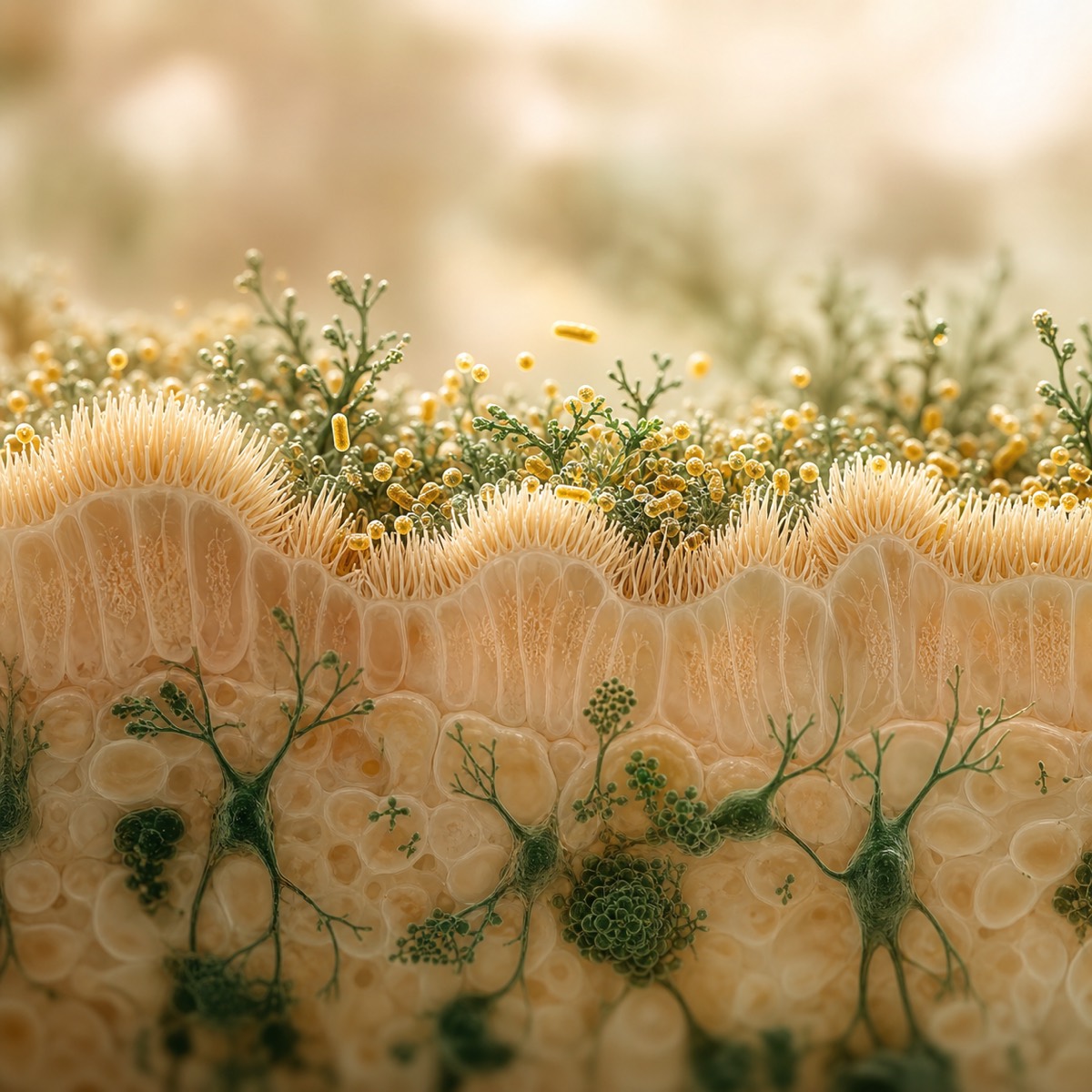
Leaky gut plus chronic inflammation — a well-known setup for an immune system to lose tolerance.
Toxins suppressing the regulatory immune cells whose job is to prevent autoimmunity in the first place.
Why the caution matters
Notice the word “plausible.” The mechanisms are real and the pattern is suggestive, but the large studies that would make this a settled claim do not yet exist. Good medicine holds that line — attention, not overclaiming.
The practical takeaway
You do not need certainty to act sensibly. If an autoimmune disease showed up or flared alongside a water-damage exposure, a mold assessment is a low-cost, potentially revealing part of the workup — and if mold is contributing, addressing it may take pressure off the immune system. The honest stance — worth investigating, not yet proven — is exactly the stance that protects you from both dismissal and hype.