




Not Just Mold: The Mycotoxins, and Which Organ Each One Hits
Science
“Mold” is a blunt word for a precise problem. The illness is not driven by mold in the abstract — it is driven by specific chemical toxins that different molds produce, and each one has its own targets in the body.
A rogue’s gallery
A handful of mycotoxins do most of the damage:
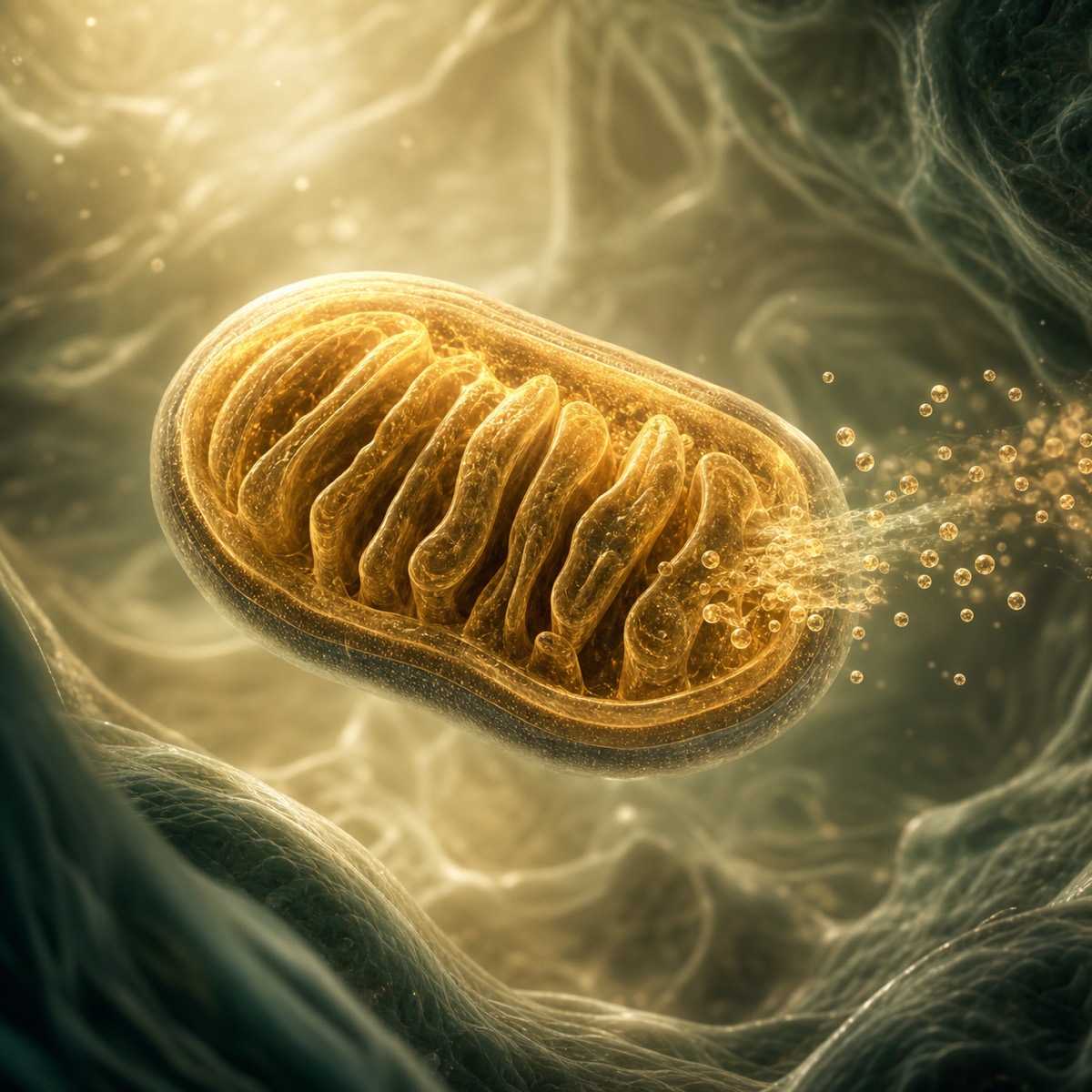
Ochratoxin A — targets the kidneys and brain, and can damage eggs and sperm by poisoning their cellular engines.
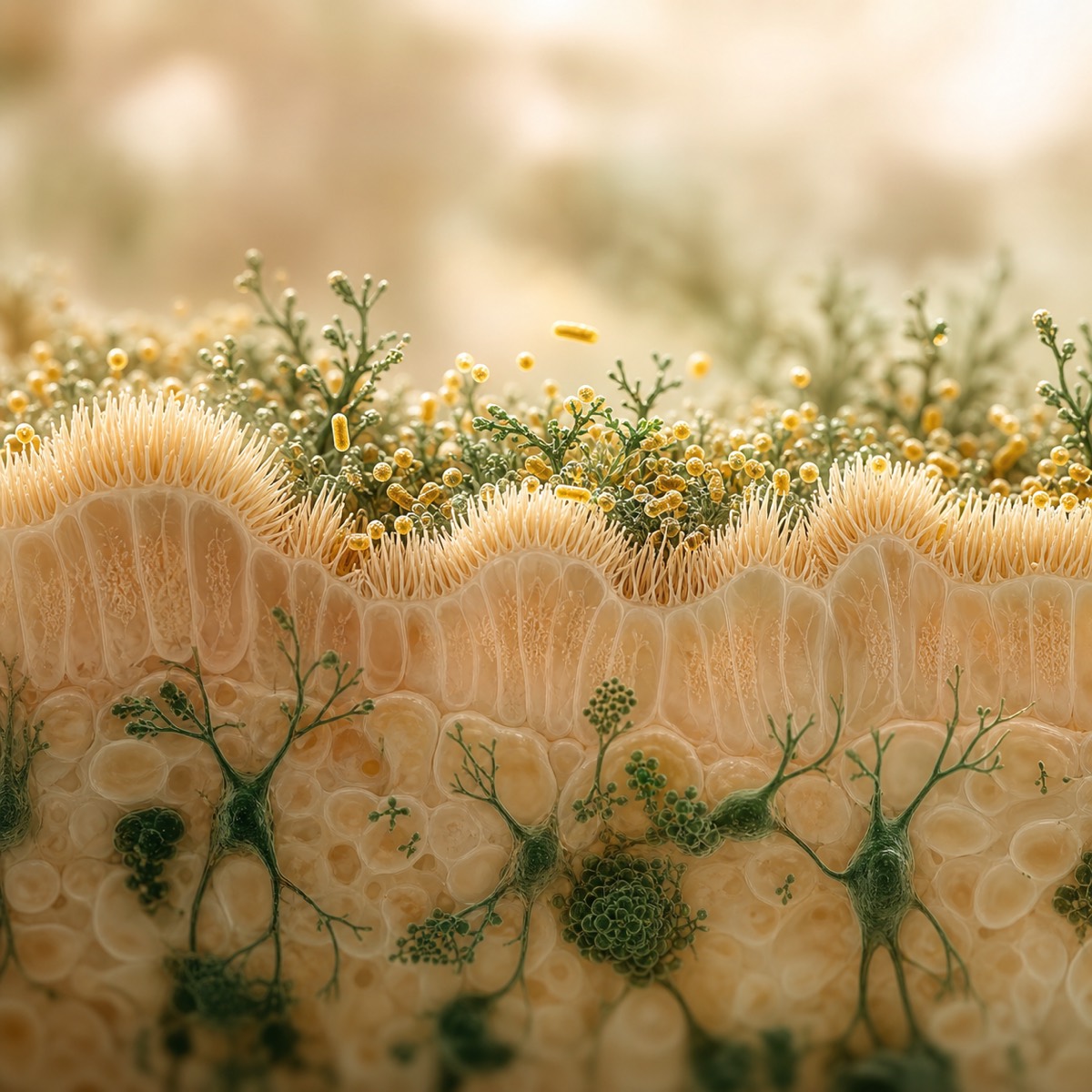
Trichothecenes (including T-2 and deoxynivalenol) and fumonisin B1 — pry apart the tight junctions that seal your gut lining.
Zearalenone — an estrogen mimic that scrambles reproductive signaling.
Aflatoxin B1 — a confirmed top-tier human carcinogen, robustly tied to liver cancer.
Why the burden lingers after you leave
You would think leaving the building would end it. But mycotoxins are recycled by the body — the liver processes them and dumps them into the gut in bile, where they are reabsorbed instead of excreted.
Mycotoxins undergo enterohepatic recirculation — they are processed by the liver, excreted in bile into the gastrointestinal tract, and then reabsorbed rather than eliminated. — Andrew Heyman, MD
That recirculation is exactly why binders — agents that grab toxins in the gut so they finally leave the body — are a first-phase tool, and why “I moved out months ago” does not automatically mean “I am clear.”
Why this matters
Knowing which toxins are in play turns otherwise-baffling symptoms — kidney strain, a leaky gut, hormonal chaos, cognitive decline — into specific effects of specific molecules, rather than vague “toxicity.” It also points the workup and the treatment. Mold is the source; the mycotoxins are the mechanism.