




Why Each Mold Exposure Hits Harder Than the Last
Science
Patients describe it as a staircase down: each new building, each illness, each stressful season produces a bigger reaction than the one before. A fixed gene cannot explain a moving target like that. But there is a mechanism that can.
The immune system has a memory
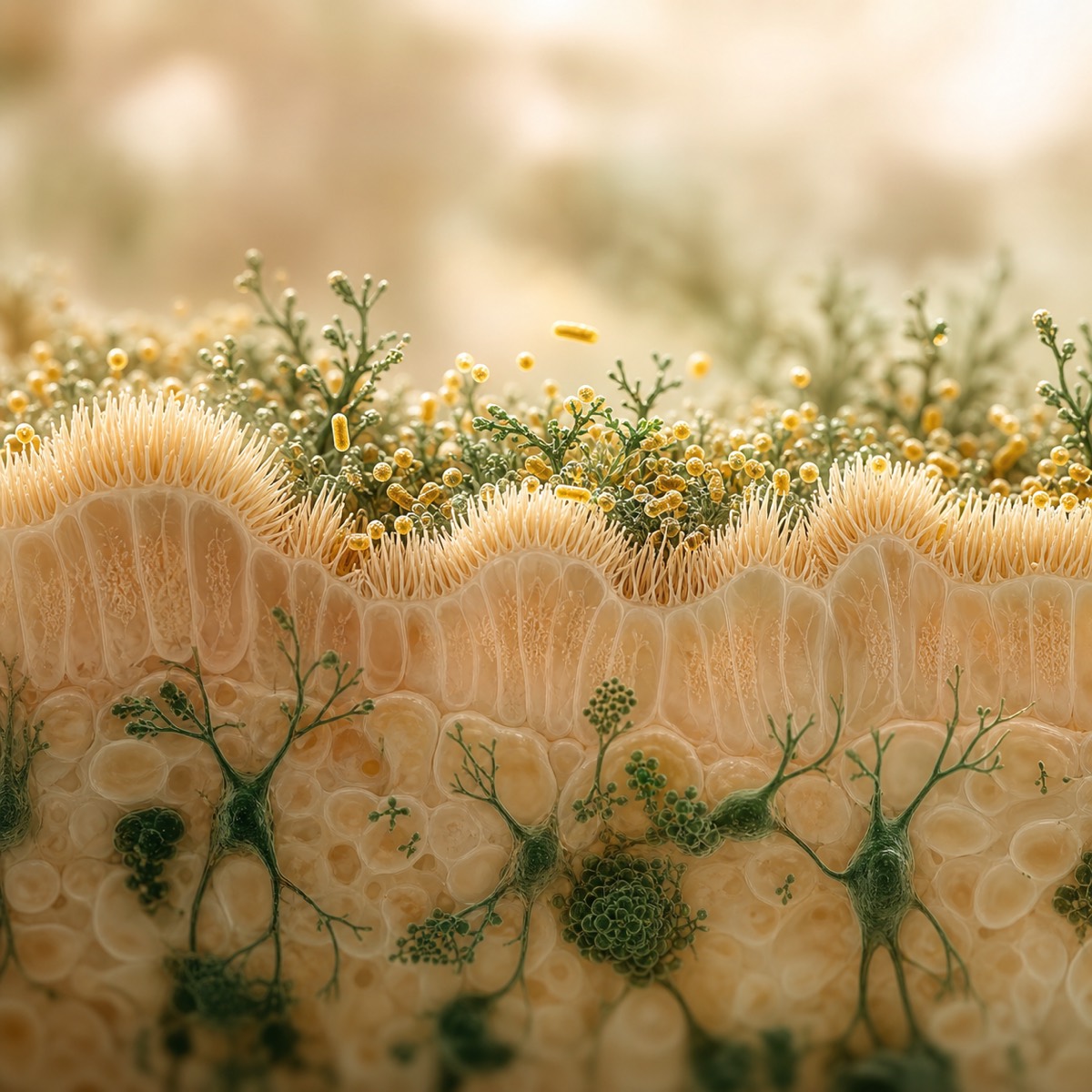
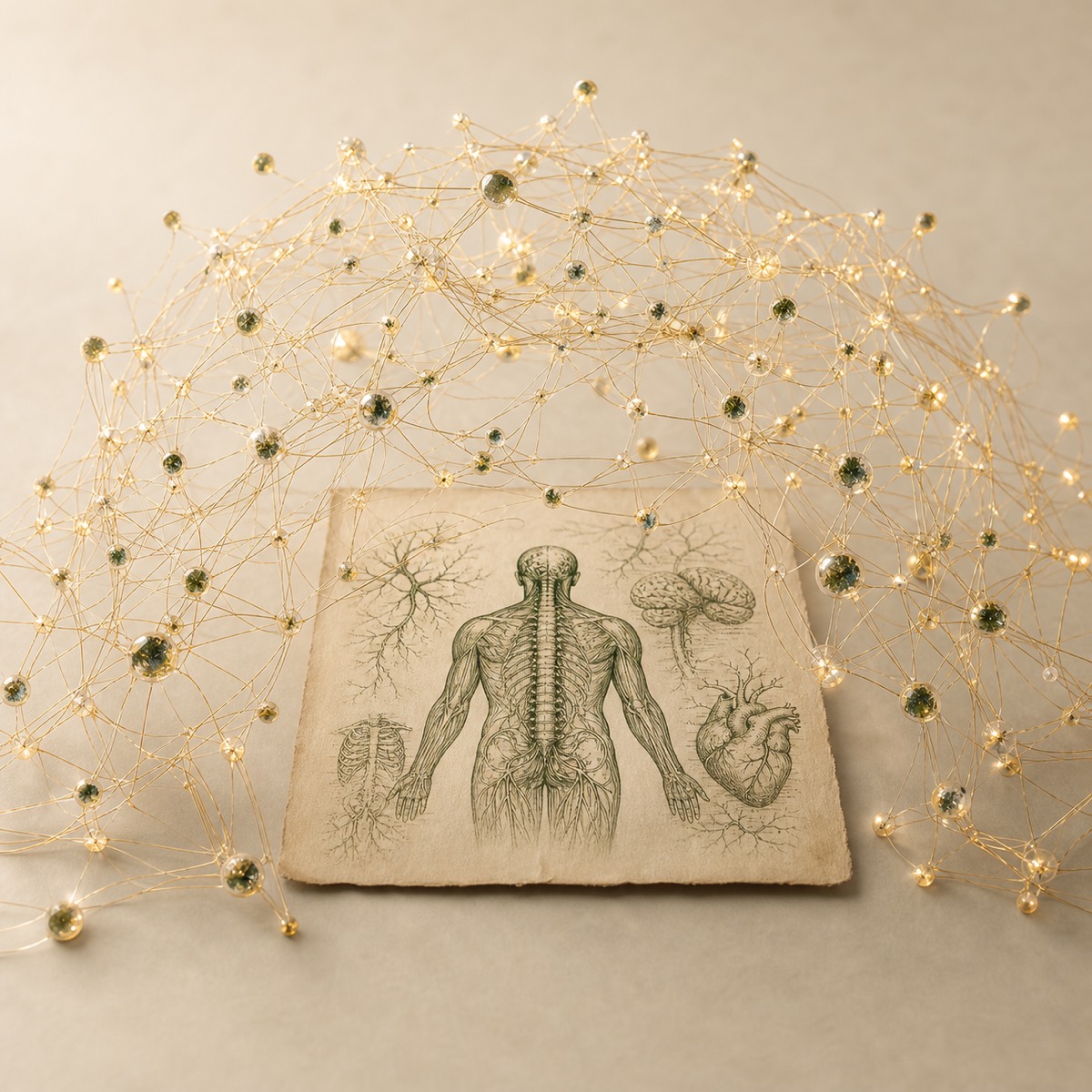
We used to think only the “adaptive” immune system — antibodies — remembered. It turns out the ancient “innate” system does too: its cells, and even the bone-marrow cells that produce them, can be reprogrammed to a heightened, more reactive baseline. Scientists call it “trained immunity.”
Water damage is an ideal trainer
The fragments in a water-damaged building — β-glucans and other cell-wall pieces — are exactly the kind of stimulus that trains the innate system upward. And because the training is written into the marrow, it outlasts the short-lived cells you can measure today.
Trained immunity is, in effect, the CDR remembered. — Andrew Heyman, MD
Why the next hit lands harder
A trained-up system starts each new encounter from a lower threshold and a more primed state. So the same exposure that once caused a mild reaction now causes a big one — not because the exposure grew, but because your baseline was reset.
It is the echo of an innate system whose baseline has been reset. — Andrew Heyman, MD
The takeaway — and the hope
This is why sensitivity tends to escalate, and why “I react to everything now” is real, not imagined. It is also why susceptibility is acquired, not fixed — and a baseline that was trained up can, with the right work, be retrained back down.