




Methylene Blue: The 100-Year-Old Dye That Reroutes Your Cellular Wiring
Treatment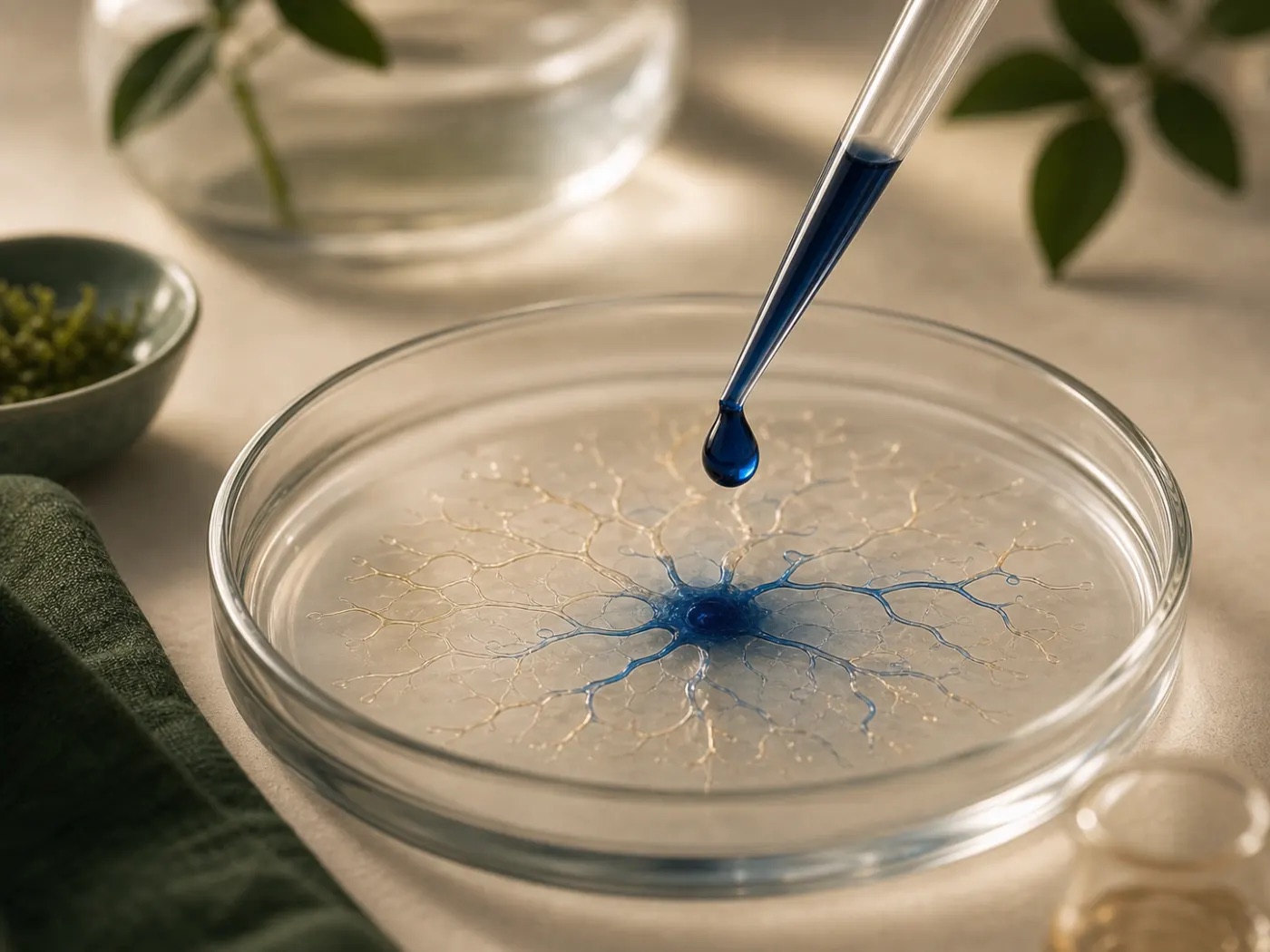
One of the more surprising tools in mitochondrial recovery is a blue dye first made in 1876. In tiny doses, methylene blue can hand electrons directly to your cells’ energy machinery — bypassing a bottleneck the illness creates. It is genuinely clever, and it comes with real cautions.
An alternate wire
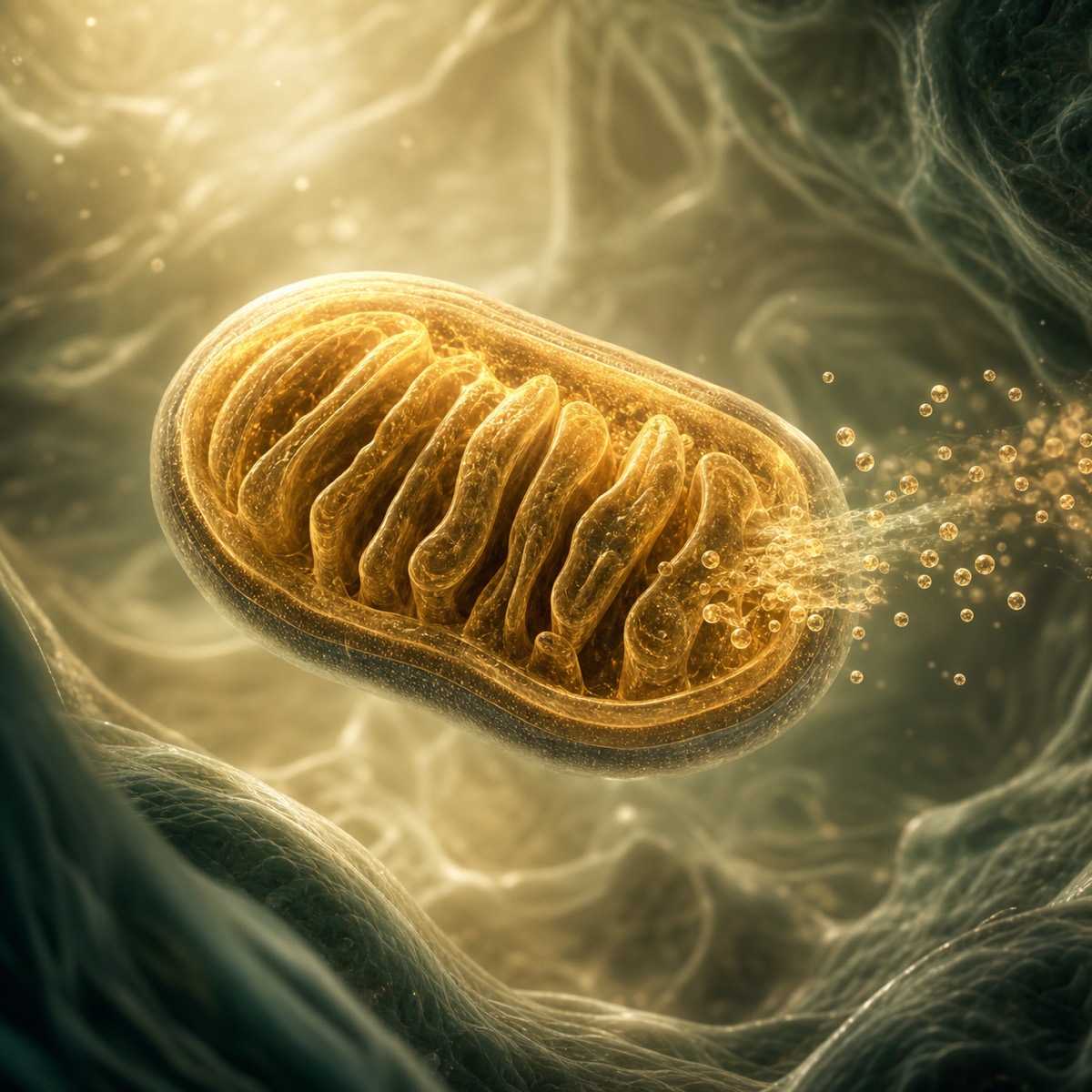
Your mitochondria pass electrons down a chain to make energy. In mold illness that chain jams at specific points. Methylene blue acts as an alternative carrier — picking up electrons before the jam and delivering them past it.
Methylene blue acts as an alternative electron carrier: it accepts electrons upstream and donates them to cytochrome c, partially bypassing a Complex I/III bottleneck. — Andrew Heyman, MD
Dose is everything
It is hormetic — helpful at low doses, harmful at high ones. The mitochondrial dose is small (a few to a couple dozen milligrams), far below the levels used for other medical purposes.
The serious cautions
This is not a casual supplement.
Not a casual supplement. — Andrew Heyman, MD
It is a potent MAO inhibitor — combined with many antidepressants it can cause dangerous serotonin syndrome.
It can trigger red-blood-cell breakdown in people with G6PD deficiency.
Only pharmaceutical (USP) grade should ever be used.
The takeaway
Methylene blue is a striking example of how mitochondrial medicine actually works — not “detox,” but rerouting the electrical wiring of the cell. It is also a reminder that the powerful tools in this space belong under real supervision, not on a whim.