





Rebuilding the Engine: The Mitochondrial Cofactors That Restore Energy
Treatment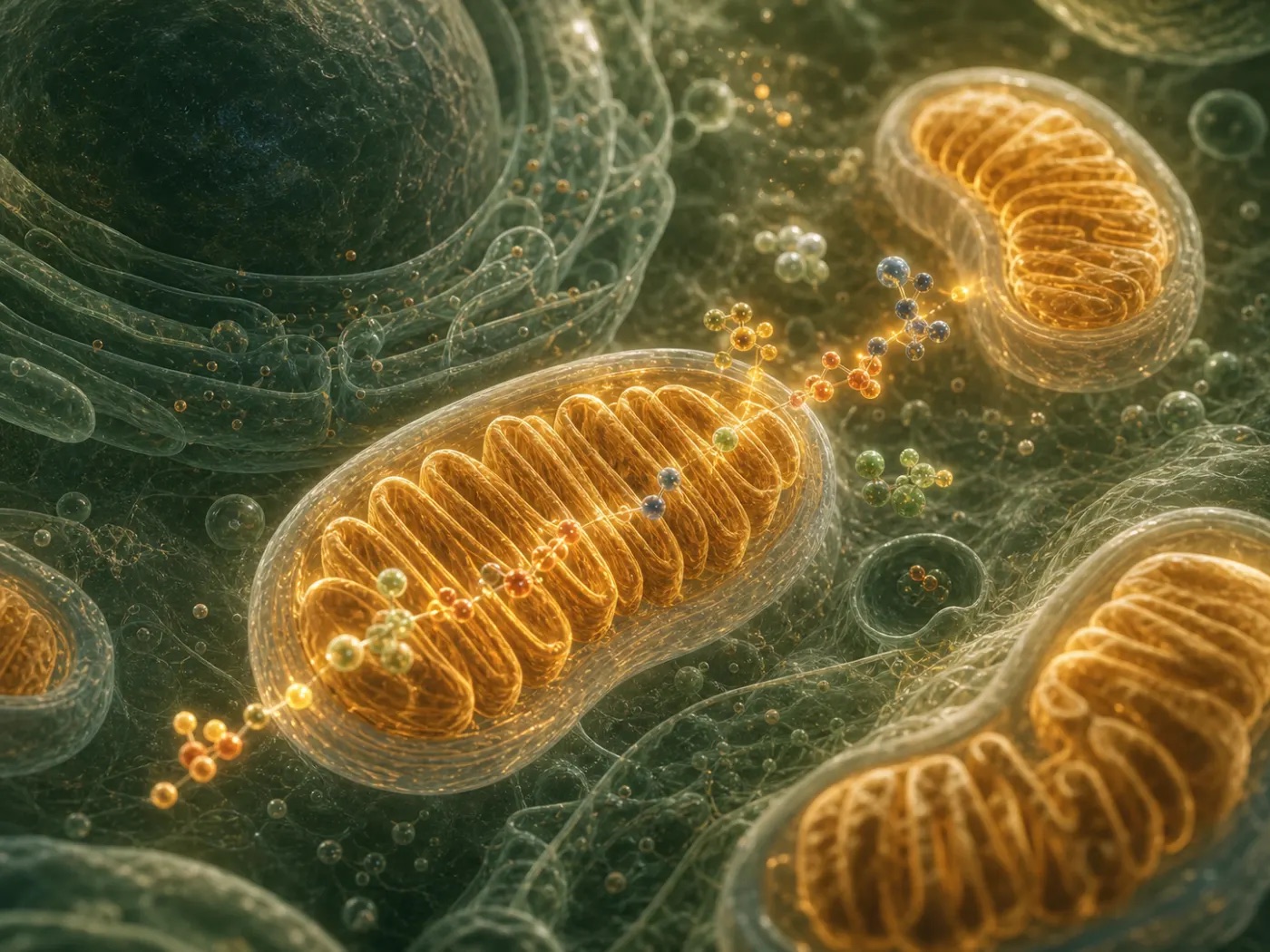
After the alarm is quiet and the hidden triggers are cleared, there is a phase of recovery that is genuinely constructive: rebuilding the cellular engines the illness ran into the ground. This is where energy comes back — in a specific order.
From siege to power
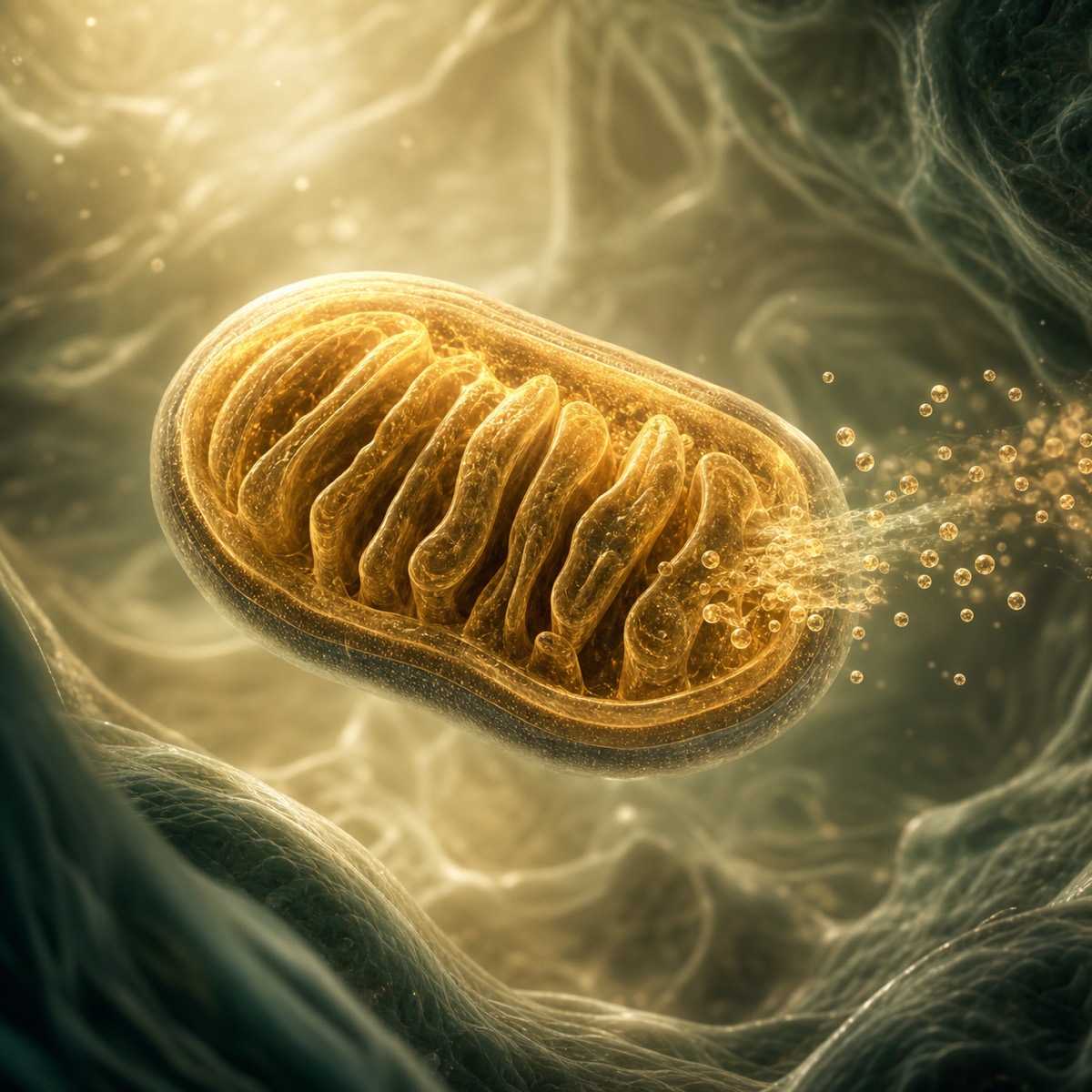
During the illness, mitochondria shift into a defensive, low-output mode. Rebuilding means coaxing them back to full metabolism — and, first, clearing out the damaged ones so what you rebuild is healthy.
Use mitophagy so new capacity is healthy capacity. — Andrew Heyman, MD
The cofactor toolkit
The engines need raw materials and spare parts:
CoQ10 (ubiquinol) — the electron shuttle the chain runs on.
NAD+ precursors (NR or NMN) — the cell’s repair and energy currency.
L-carnitine — hauls fat into the furnace.
Alpha-lipoic acid, riboflavin (B2), magnesium, D-ribose, and creatine — cofactors, substrate, and buffers.
Measuring the rebuild
You do not have to guess whether it is working. The mitochondrial stress signals can be tracked, and their fall is one of the clearest signs the engine is recovering.
Mitochondrial restoration is supported by measurement — mitokines GDF15 and FGF21 in peripheral blood directly report on active mitochondrial integrated stress response, and their trend toward normalization is one of the primary indicators of biological readiness. — Andrew Heyman, MD
Patience, not force
This phase rewards consistency over intensity. You are rebuilding capacity, not proving it — which is why pacing stays in force even as energy returns.