




The Hair-Trigger Immune System: Mold and Mast Cell Activation (MCAS)
Diagnosis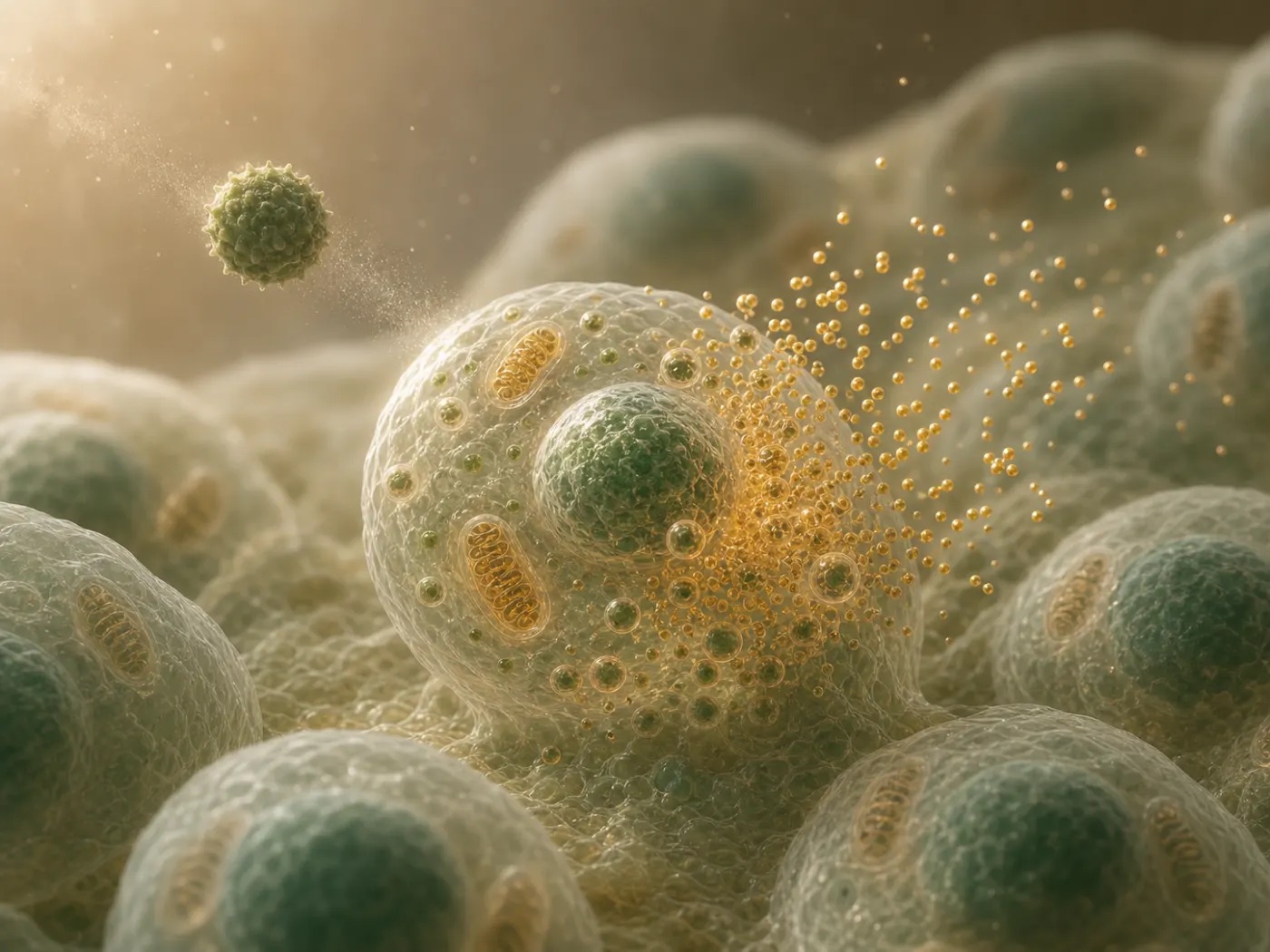
Some people in mold illness develop a bewildering new reactivity: foods they have eaten for years, perfumes, temperature swings, even exercise suddenly set off flushing, hives, a racing heart, gut upset, or lightheadedness. This pattern has a name — mast cell activation syndrome, or MCAS.
What mast cells do
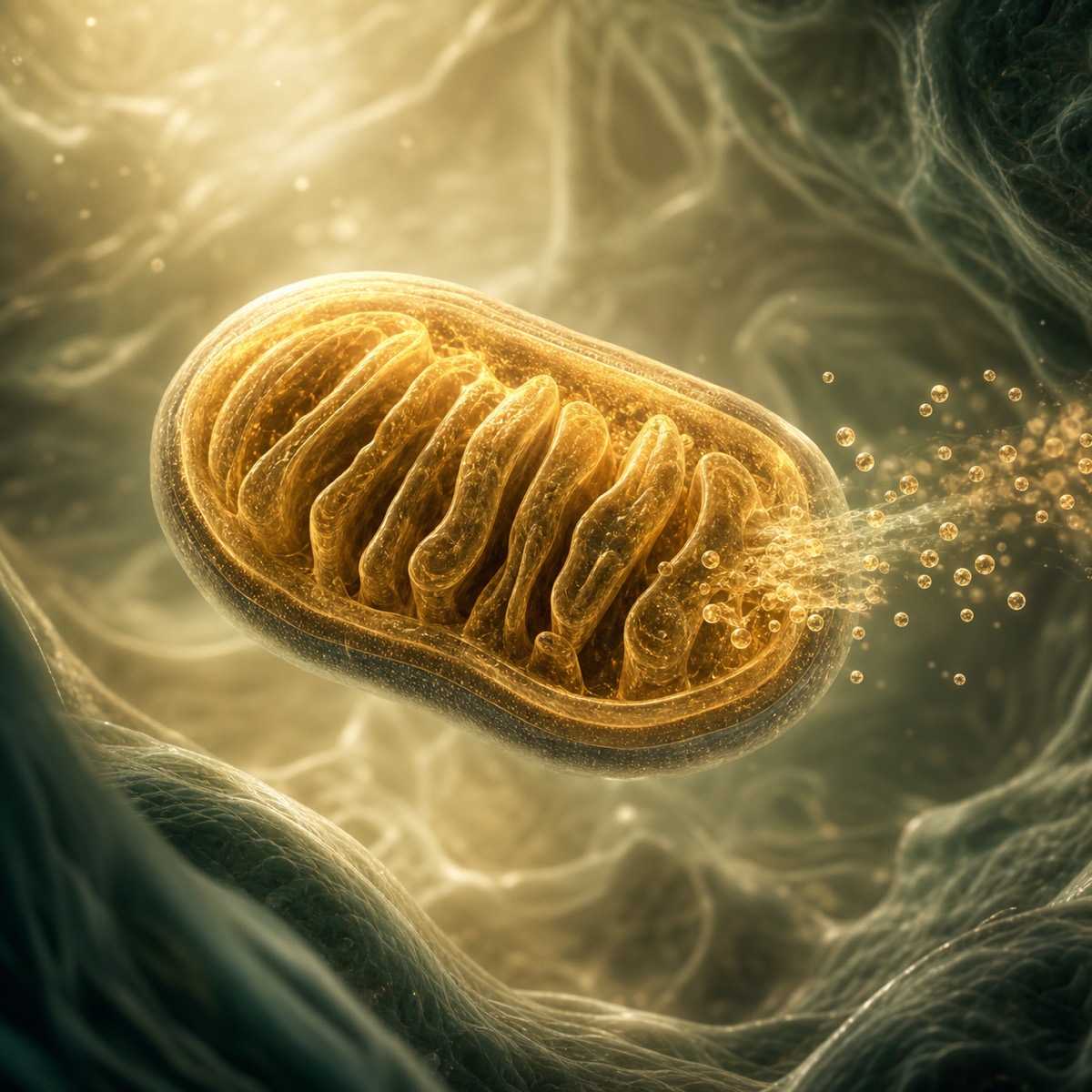
Mast cells are immune cells that release histamine and other mediators within seconds of sensing a threat. In MCAS their trigger threshold drops pathologically low, and they stop settling down between activations — so more and more things set them off.
Why mold is a classic driver
Mold toxins are among the most potent known mast-cell triggers. Sustained exposure keeps the cells sensitized, which is why the reactivity tends to spread rather than calm.
The new food reactions aren’t really about the food
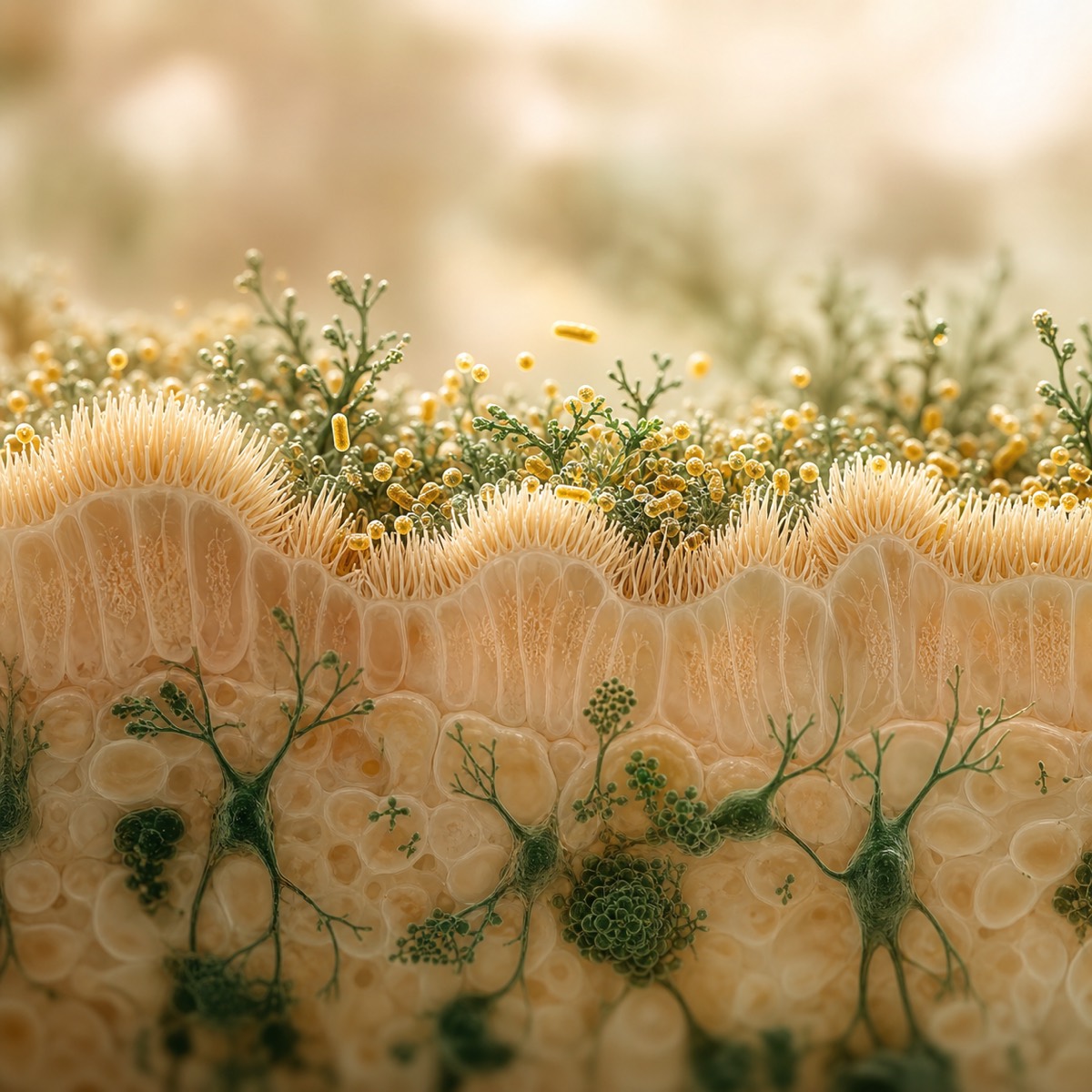
A confusing feature is reacting to foods that were always fine. The usual explanation has it backwards: the foods did not become dangerous. A leaky gut barrier is now exposing mast cells to food proteins they never used to meet. The food has not changed — the barrier has.
Why antihistamines only partly help
Antihistamines, quercetin, and mast-cell stabilizers can genuinely take the edge off. But they are supportive, not curative, as long as the upstream driver — the exposure keeping the cells on a hair trigger — remains.
Recovery requires removing the upstream exposure that’s keeping the mast cells sensitized. — Andrew Heyman, MD
If your body has become reactive to nearly everything, MCAS may be part of the picture — and the durable fix is upstream, not one more antihistamine.