




One Illness, Four Recoveries: The Four Phenotypes of Mold Illness
Diagnosis
Two people with the same mold illness can need completely different treatments — which is why one gets better on a protocol that does nothing for the other. The reason is that the Cell Danger Response can get stuck at four different points. Same illness, four bottlenecks.
The four phenotypes are not four diseases — they are four points at which the same recovery can stall, each needing a different final push. — Andrew Heyman, MD
Phenotype A — the Stuck Alarm
The marker MMP-9 is high; the person is wired, anxious, and reactive; symptoms flare at the exposure site; it is often mislabeled as anxiety. The alarm is simply still firing. The first move is to remove the input, then calm and — where the alarm has become conditioned into the nervous system — retrain it. You do not silence an alarm that is still accurate.
Phenotype B — the Drained Battery
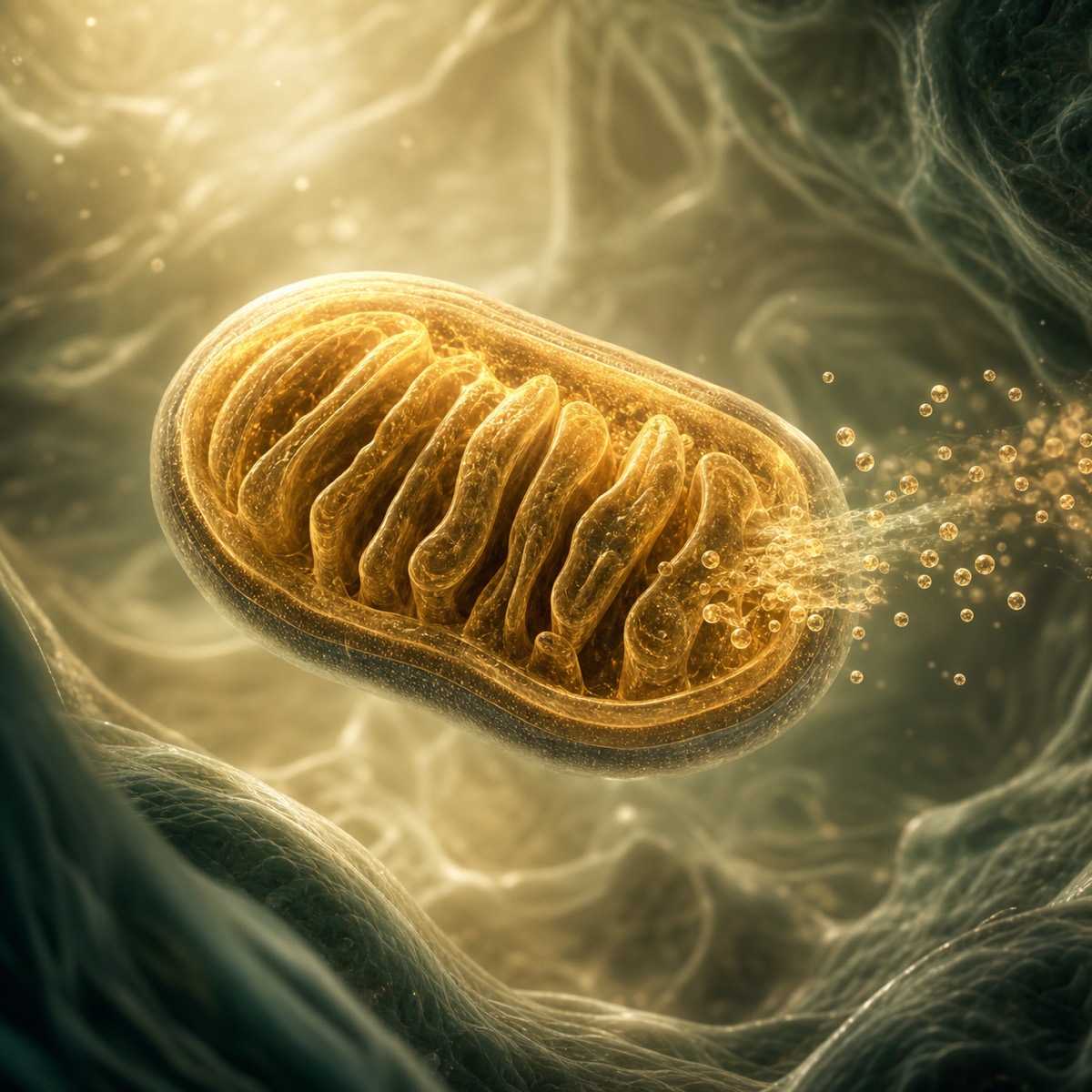
The mitochondrial stress signal GDF15 is markedly elevated; the exhaustion is flat and unchanging; the tell is the delayed post-exertional crash — “a phone permanently stuck at 8%.” The first move is to rebuild the mitochondrial engine and pace strictly. Push-through exercise here backfires.
Phenotype C — the Worn-Out Defender
Immune cells (T-cells, NK cells) are depleted; there are sore throats, tender glands, night sweats; reactivated viruses like EBV and HHV-6 keep the alarm lit. Patients improve, then plateau. The first move is to treat the engine and the immune system at the same time — and to re-balance immunity, not crudely “boost” it.
CDR2 is intelligent triage, not failure — but it is self-perpetuating, which is why it does not resolve on its own. — Andrew Heyman, MD
Phenotype D — the Closed Gate
The safety signals VIP and α-MSH are critically low and heart-rate variability has collapsed; every test improves and the person still feels sick; standard antidepressants don’t touch it. The danger is gone, but the cell never received the all-clear. The first move is to rebuild the nervous system and, only at the very end, send the safety signal (VIP) — never first.
Why the label changes everything
Giving every patient the same all-clear is a mistake of logic, not just of dose.
Sending the same “all safe” signal to every patient is as mechanistically unsound as prescribing the same antibiotic for every infection. — Andrew Heyman, MD
The phenotype tells you which lever to pull — and people shift between phenotypes as they heal, so it is re-checked over time. If your recovery has stalled, the useful question is not “try harder,” it is “which of the four points am I stuck at?”