

Remove, Don’t Sterilize: The Counterintuitive Science of Cleaning a Sick Home
Prevention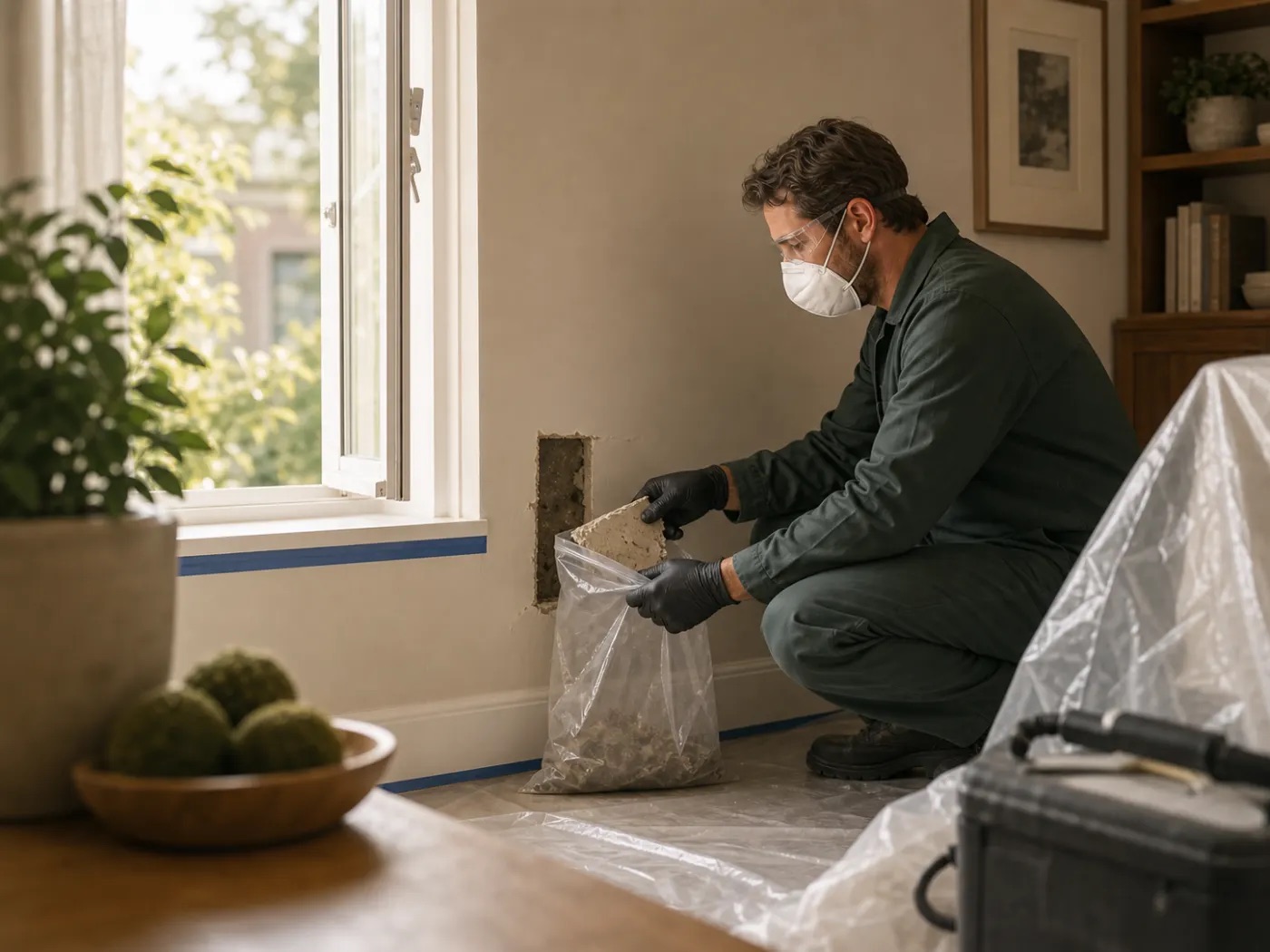
When you discover your home is making you sick, the instinct is to reach for the strongest disinfectants you can find and wage war. For a person with mold illness, that instinct is usually exactly wrong.
REMOVE, DON’T STERILIZE. It can feel as though a sick home calls for powerful disinfectants and aggressive chemicals. The opposite is usually true. — Andrew Heyman, MD
A dead spore still inflames
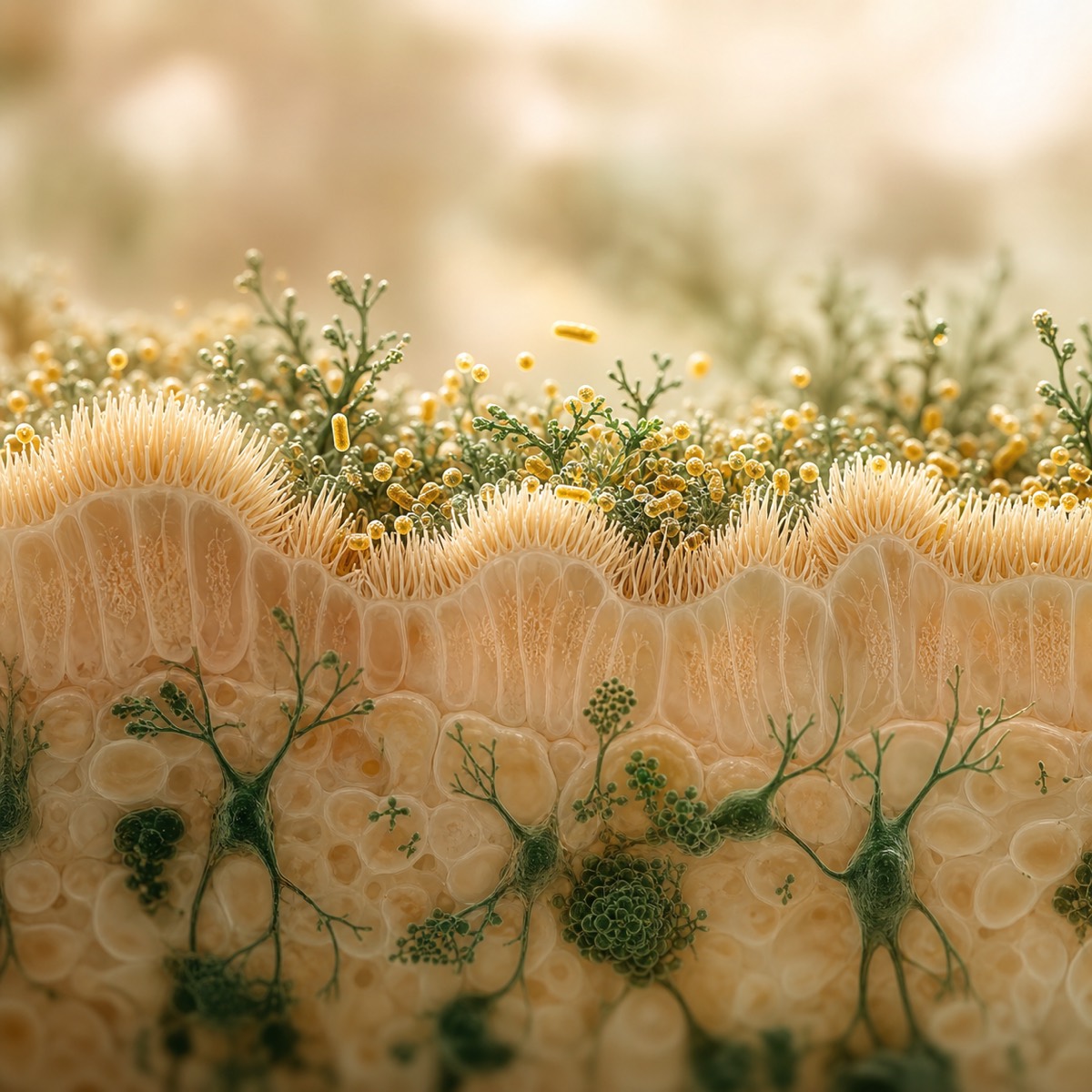
Here is the key fact: killing mold does not neutralize it. A dead spore or a bacterial fragment is still an inflammatory particle. Biocides can leave the actual triggers in place — while adding harsh chemicals that a sensitized body reacts to.
Capture, don’t scatter
The goal is physical removal, gently done: damp microfiber cloths, sealed HEPA vacuums, carrying particles out of the space rather than blasting them around.
Think of it as escorting the load out of your home, not waging chemical war inside it. — Andrew Heyman, MD
The details that matter
A dry building is not automatically a resolved one — settled contamination binds to ordinary house dust and lingers. Keep floor-drain traps filled (a dry trap opens a channel to soil gas), and physically clean the HVAC rather than spraying it.
The takeaway
Cleaning a sick home is a removal problem, not a disinfection problem. Escort the load out; do not try to kill your way to clean.