


Sleep Is Where the Brain Clears the Toxins: The Glymphatic System and Mold Brain Fog
Recovery
In mold recovery, sleep is usually treated as the backdrop — the thing you do while the “real” treatments work. That gets it backwards. Sleep is one of the treatments, because the brain physically flushes its waste only when you are deeply asleep.
Sleep is where the brain clears the toxins... it is a core detoxification intervention, as central to clearing the brain as binders are to clearing the gut. — Andrew Heyman, MD
The brain’s nightly wash cycle
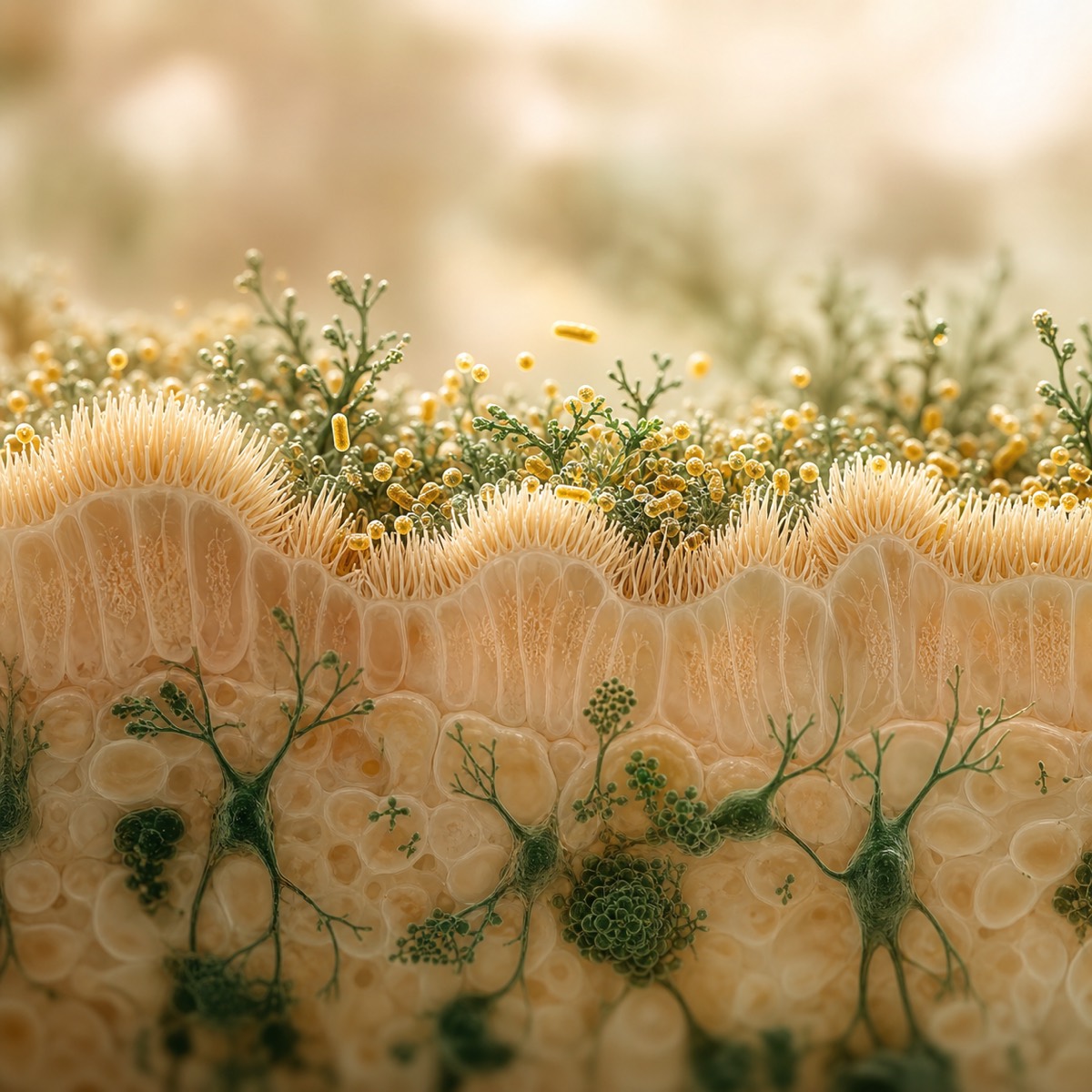
The brain has its own waste-clearance system — the glymphatic system — and it runs mainly during deep, slow-wave sleep, when flow through the brain accelerates several-fold. That is when neurotoxic byproducts, including mold-related metabolites, actually get carried out.
A vicious loop
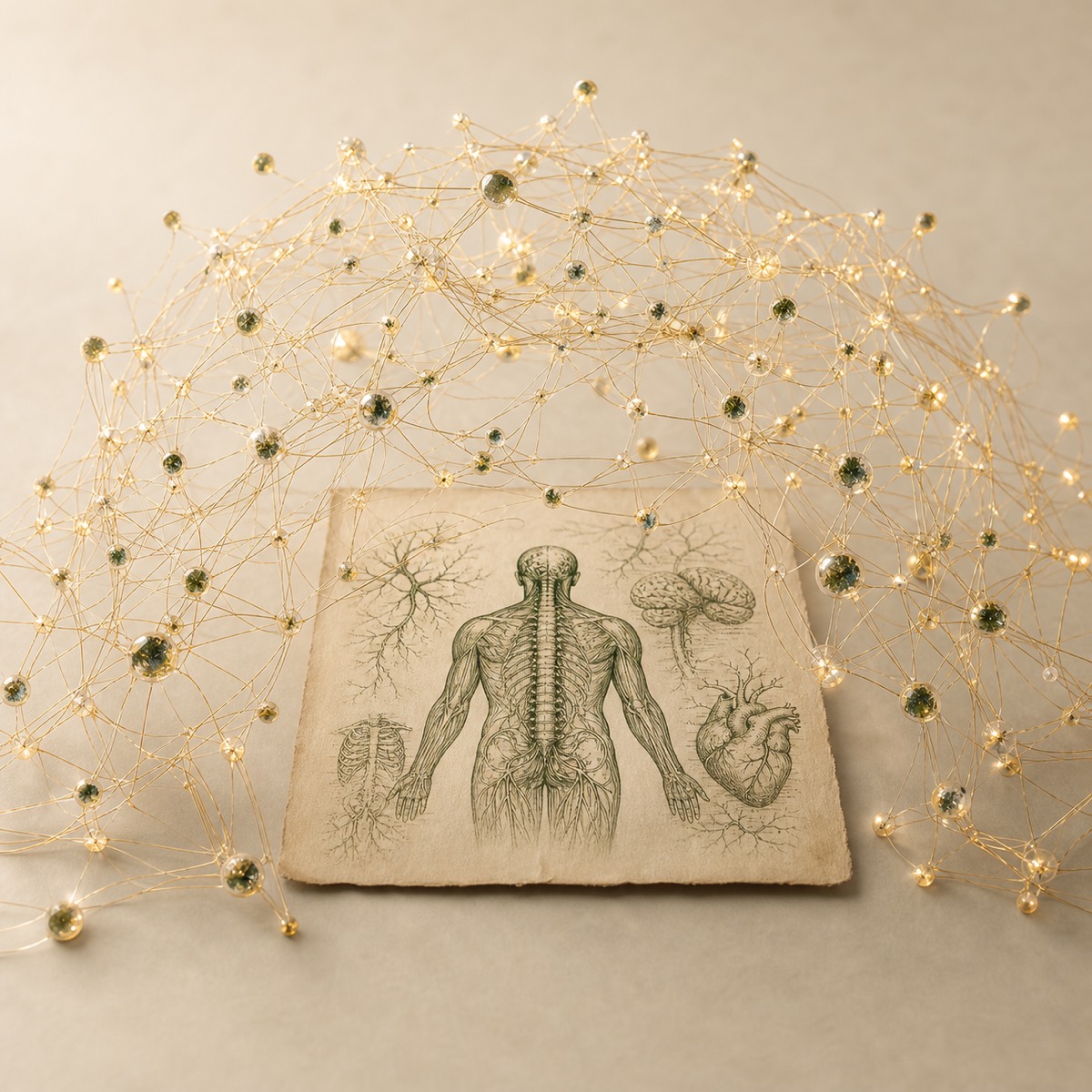
Mold illness sabotages exactly this. Neuroinflammation and a disrupted, cortisol-spiked evening fragment your deep sleep — so you clear less waste, which fuels more neuroinflammation, which further wrecks sleep. The loop is why “mold brain” and insomnia travel together.
Why sedatives can miss the point
Knocking yourself out is not the same as deep sleep. Many sleep aids — and alcohol — suppress the very deep and REM stages that do the cleaning, so you spend hours unconscious and still wake unrefreshed and un-cleared.
What actually helps
Protect the deep stages: consistent timing, a dark cool room, no alcohol near bedtime, and treating the underlying neuroinflammation. Side-sleeping appears to aid glymphatic flow, and a sleep-tracking wearable can turn “I slept badly” into a dashboard you can act on. Treat sleep as a detox intervention, not a luxury — it is some of the most important clearance work your body does, and it is free.