




The MARCoNS Myth: Why Attacking a Nasal “Superbug” May Be a Mistake
Testing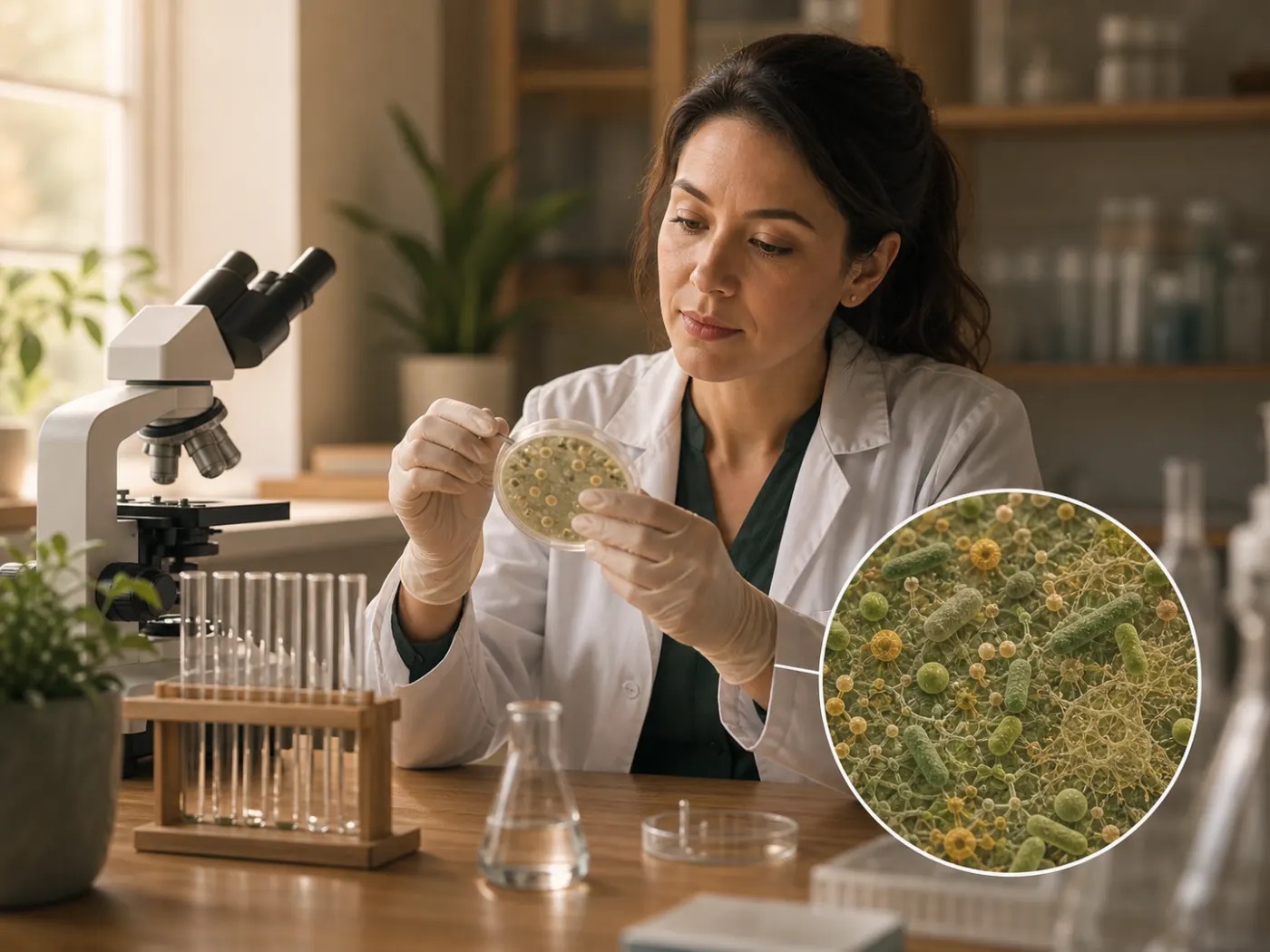
Many mold patients have been through it: a deep-nose swab comes back positive for MARCoNS — a multiple-antibiotic-resistant staph — followed by weeks of an antibiotic nasal spray. It is a cornerstone of traditional mold treatment. It also may be a mistake.
A “superbug” that lives in almost everyone
MARCoNS is a coagulase-negative staph — ordinary nasal and skin flora found in nearly everyone sampled, healthy or sick. A test that comes back positive in most people cannot, by itself, identify a disease-specific pathogen.
In the nose, “coagulase-negative staph” is not a diagnosis. — Andrew Heyman, MD
Some of the “bugs” are guardians
Several coagulase-negative staph species are actually protective. One makes a natural antibiotic that fights the real troublemaker, Staphylococcus aureus; others starve S. aureus of the iron it needs. A broad antibiotic spray can wipe out these guardians along with everything else.
The mechanism behind it doesn’t hold up
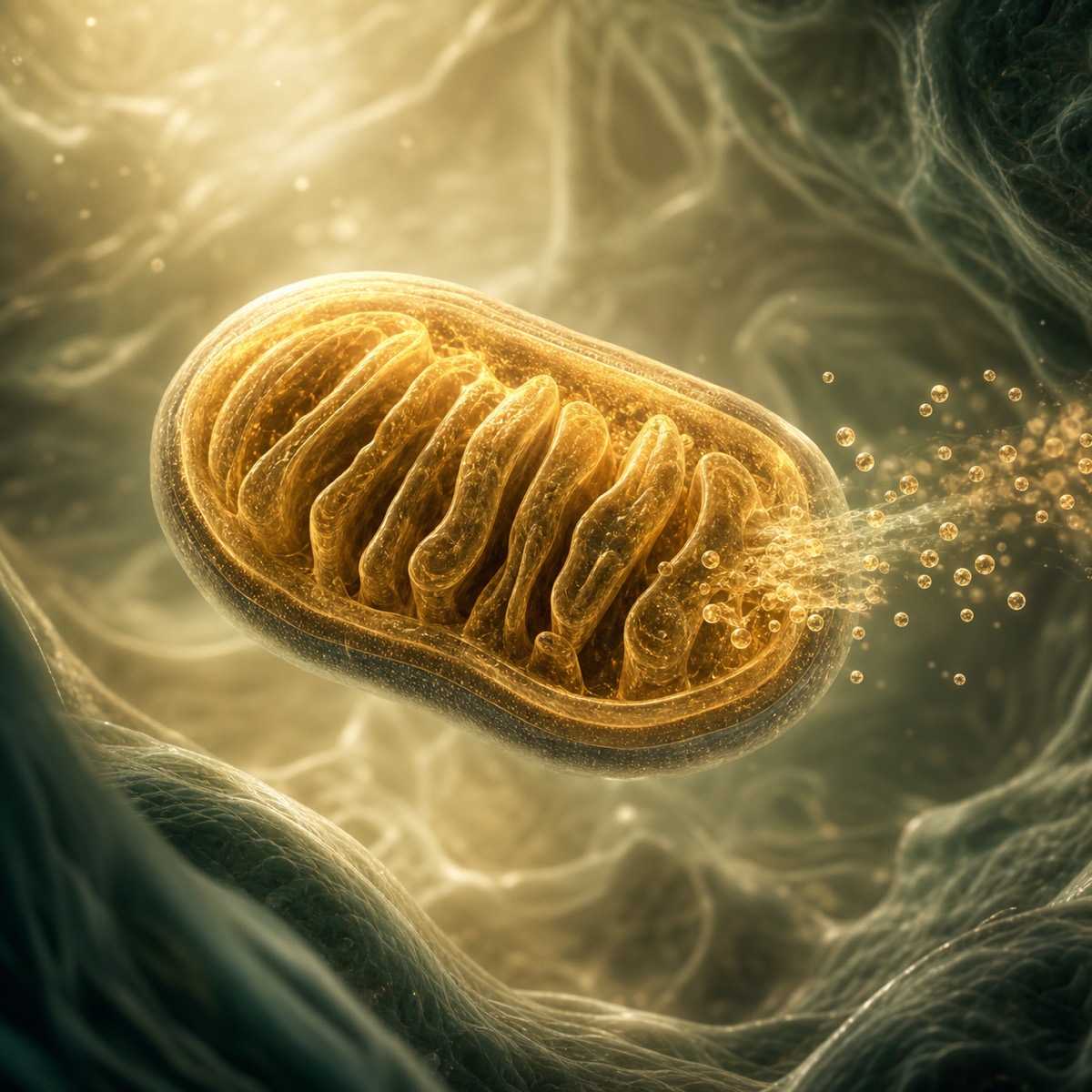
The popular explanation — that these bacteria make “palytoxin” that poisons your mitochondria — is a category error on three counts: palytoxin acts on a membrane ion pump, not the mitochondrial ribosome; it is a marine toxin made by corals and dinoflagellates, not a small-genome nasal staph; and a local nasal biofilm cannot be the source of a body-wide toxin.
The nose is terrain, not a target
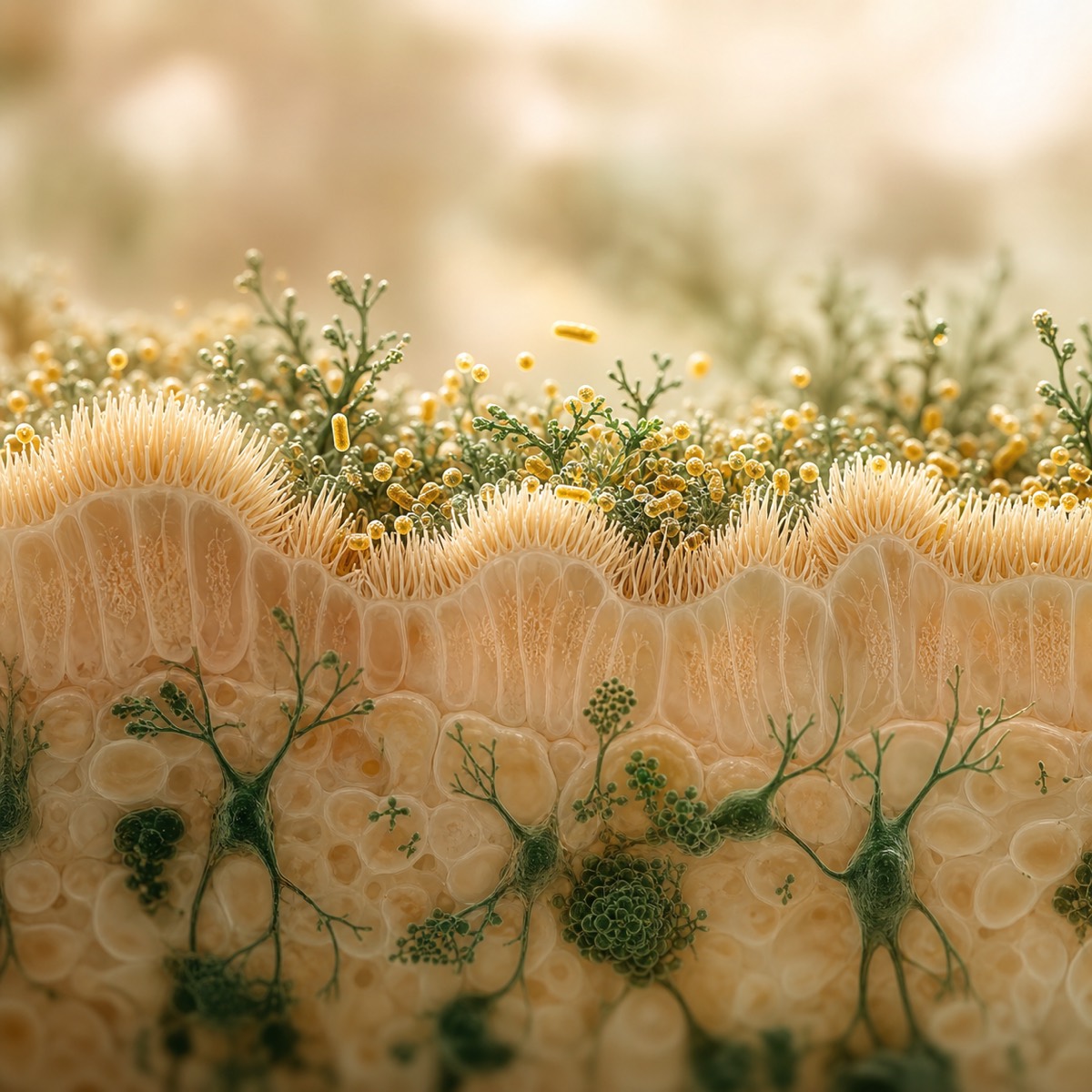
The healthier way to see the nose is as a “sentinel mucosa” whose health is immune tolerance, not sterility. Nasal dysbiosis is the fingerprint of a mucosa that has lost its calm, self-regulating state — a downstream sign of the body’s danger state, not the upstream cause of it.
The organism is a symptom of the terrain, not the lever that moves it. — Andrew Heyman, MD
Restore, don’t eradicate — and last, not first
Reseeding good flora while the body’s alarm is still on simply rebuilds the dysbiosis, so sequence matters here too. Routine, culture-triggered eradication is not a mandatory early step; targeted antimicrobials are reserved for genuine, characterized S. aureus disease.
“Restore normal flora” and “eradicate a named organism” are opposite operations. — Andrew Heyman, MD
If you have been told you must clear MARCoNS before you can heal, it is worth a second conversation.