






Rest Is the Treatment: Why Pushing Through Fatigue Backfires in Mold Illness
Recovery
Almost every instinct in our culture says the way out of fatigue is to push through it — more exercise, more willpower, more grit. In one common form of mold illness, that instinct is not just unhelpful. It can set you back for days.
A battery stuck at 8%
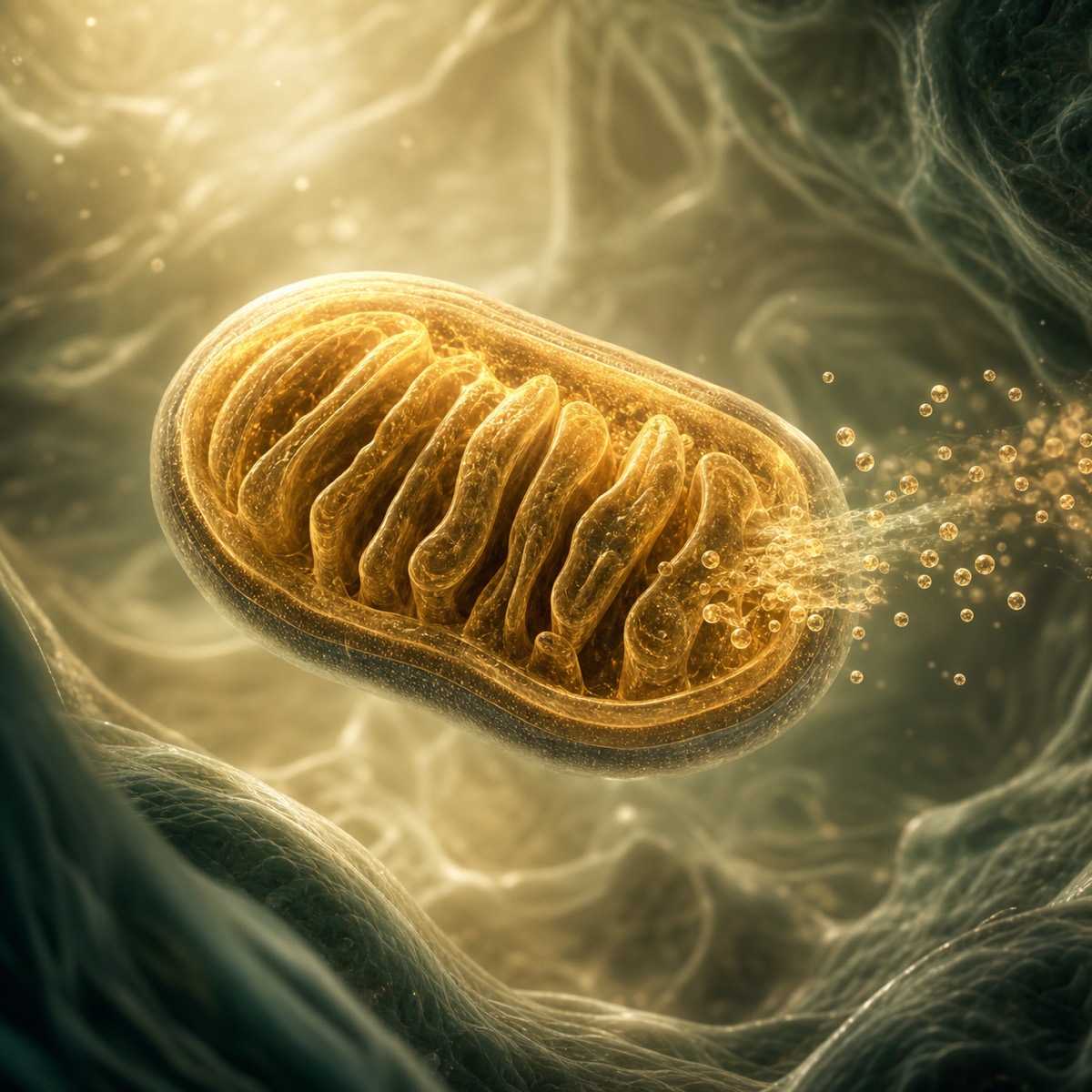
When the Cell Danger Response settles into its low-power state, the mitochondria — your cells’ power plants — down-shift into conservation mode. It is like a phone permanently stuck at 8%: everything still runs, but nothing runs at full output, and there is no reserve for a surge.
The delayed crash that gives it away
The hallmark is post-exertional malaise: not ordinary tiredness during effort, but a disproportionate crash 12 to 72 hours later. You feel fine at the gym, then spend two days on the couch. That delay is exactly why it gets missed — the effort and the crash do not look connected.
Where PEM is present, graded push-through exercise is contraindicated and can cause lasting harm — a position reflected in the 2021 NICE ME/CFS guideline. — Andrew Heyman, MD
Pacing is not giving up — it is the therapy
In this state, staying inside your “energy envelope” is itself a treatment. The goal is consistency, not intensity: gentle, sub-threshold movement that never triggers the crash, so the envelope slowly widens.
The energy envelope is non-negotiable... the rebuild proceeds on consistency, not intensity. — Andrew Heyman, MD
A simple guardrail
A practical ceiling many people use is a heart rate around (220 − your age) × 0.6, or your resting rate plus about fifteen beats. Movement that keeps you under that line — restorative yoga, tai chi, short orienting walks — builds capacity. Occasional heroic efforts followed by multi-day crashes tear it down.
The reframe
This is not deconditioning, and it is not fear. It is a metabolic state with its own rules. Recovery here looks like reconditioning an injured athlete — graded and patient — not a single maximal effort.
You do not restore a deconditioned athlete with a single maximal effort. — Andrew Heyman, MD